
A Thoughtfully Paced Northern Italy Itinerary: Venice, Tuscany, Cinque Terre & the Dolomites
Curated By
Mackenzie Hunter

Curator’s statement
Northern Italy was one of the first trips that really shaped the way I think about travel. It’s also a place that taught me a lot about pacing and how different a trip can feel when you give the right places enough time. This version reflects how I’d recommend experiencing it now: slower, more intentional, and built around a mix of iconic stops, beautiful stays, and the kinds of landscapes and moments that actually stay with you. It’s a great fit for travelers who want variety, but not at the expense of ease or enjoyment.
The Fora Difference
Book with Mackenzie Hunter to access exclusive perks and experiences on your trip.

Killer perks
Free upgrades, spa credits and more—we got you

Personalized recs
Customized travel planning for your style

Insider knowledge
Expert advice from people who’ve actually been there
Where to stay
Unlock perks by contacting Mackenzie Hunter to book your trip.
Day 1: Arrive in Venice
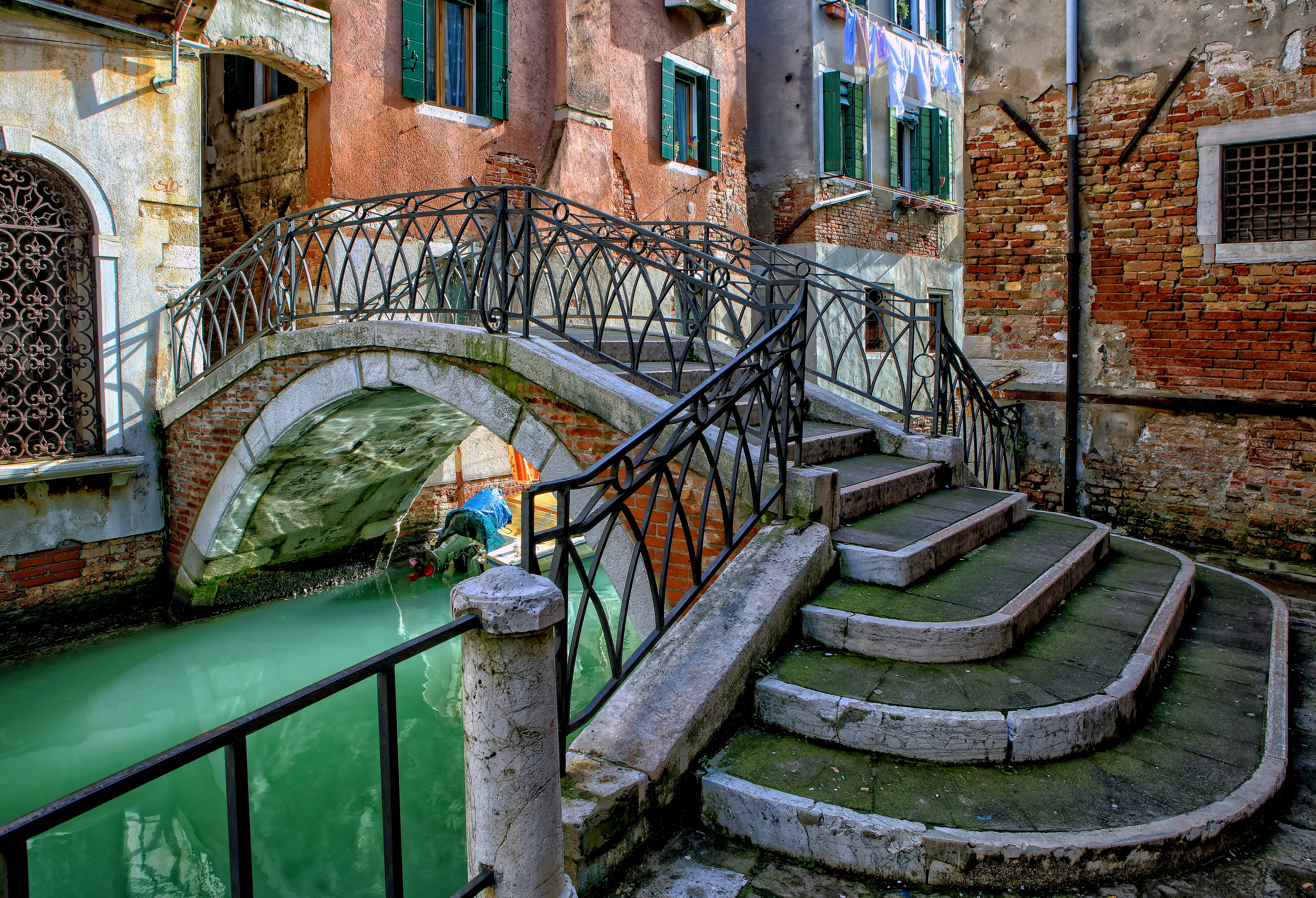
Fly into Venice and settle into the city for a softer start to the trip. Even if Venice isn’t the main reason you’re coming to Italy, I’ve found it’s worth giving it a little breathing room, especially after a long flight.
After checking in, spend the afternoon doing very little on purpose. Wander the smaller streets, cross a few bridges, get a little lost, and let the city come to you instead of trying to tackle everything right away. Venice is best experienced on foot and without too much agenda, especially once you step away from the busiest corridors.
For dinner, keep it simple or head somewhere memorable like Al Covo (https://guide.michelin.com/us/en/veneto/venezia/restaurant/al-covo) or Osteria alle Testiere (https://guide.michelin.com/us/en/veneto/venezia/restaurant/osteria-alle-testiere) if you want your first meal to feel special.
Day 2: Venice beyond the postcard
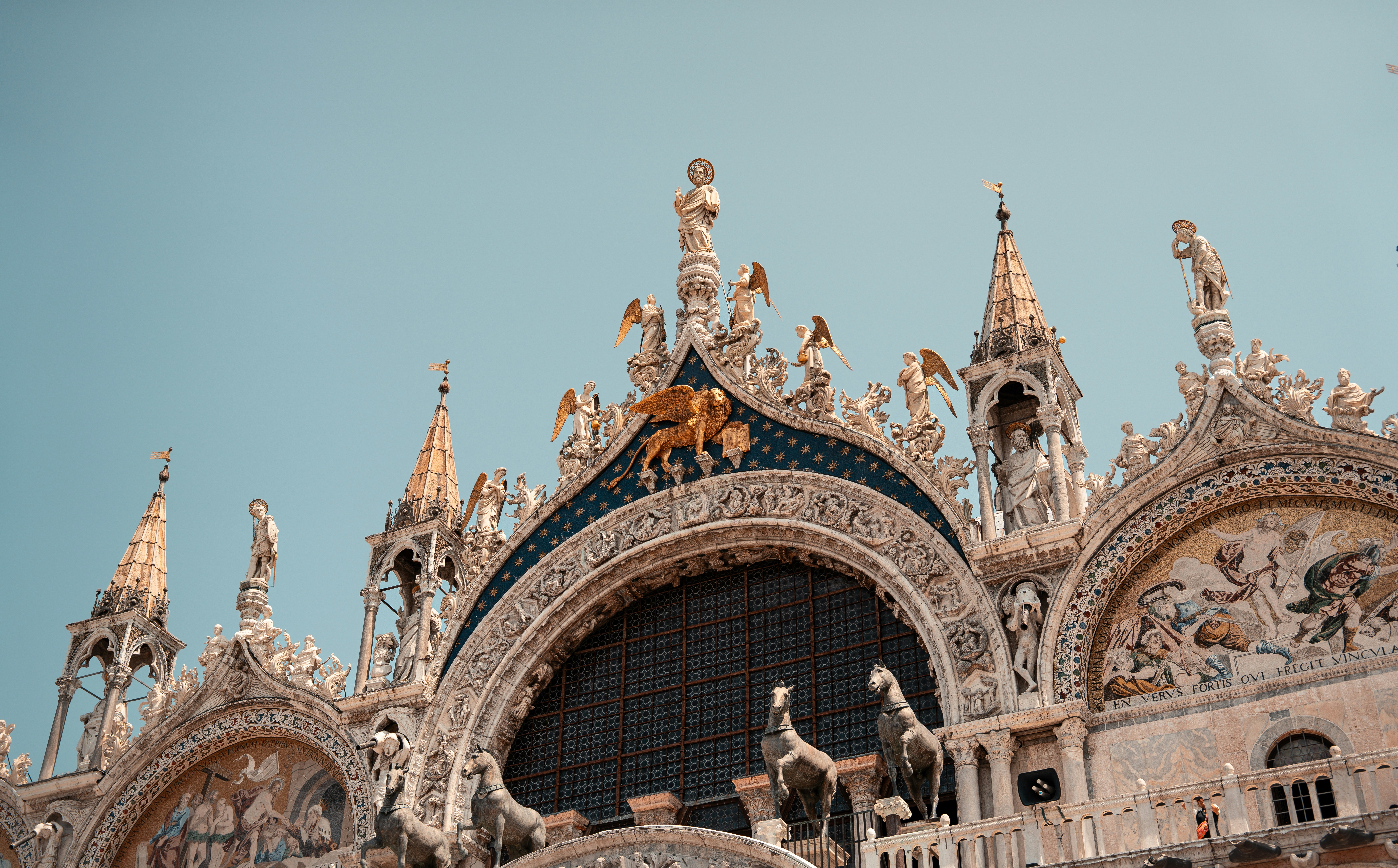
Use today to experience Venice a little more intentionally. If there are major sights you want to see, this is the day to do them—but I’d still leave plenty of room to wander, because that’s where Venice really shines.
A morning visit to St. Mark’s Basilica or Doge’s Palace can absolutely be worth it, but what stayed with me most were the quieter moments: walking the canals in Cannaregio, lingering over coffee, and realizing Venice felt much more charming and enjoyable than I expected going in.
If time allows, a short boat ride to Burano is a fun addition and offers a nice contrast to Venice itself. End the day with seafood and a slower dinner before heading back to your hotel.
Day 3: Travel to Tuscany
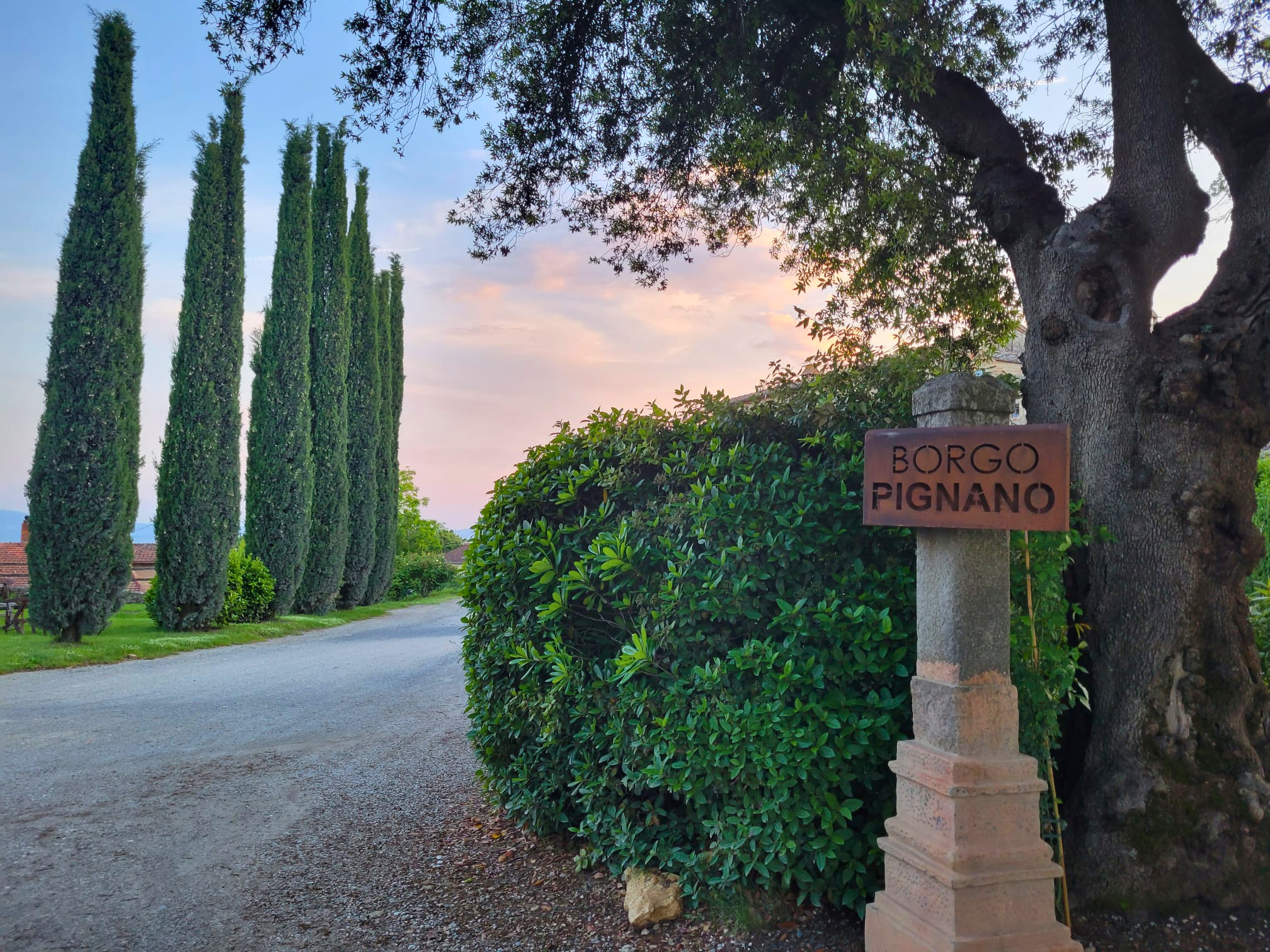
Today, leave Venice behind and make your way to Tuscany. Depending on your preferences, this is a route that can be done by train plus private transfer or by rental car. If you’re comfortable driving and want flexibility, a car can work well for this part of the trip. If not, this is still very manageable with the right logistics in place.
Arrive at Borgo Pignano and settle in for what will likely become one of the highlights of the trip. This is the kind of place that makes you immediately want to exhale. The setting is peaceful, the property is beautiful and expansive, and the pace naturally shifts the moment you arrive.
Spend the rest of the day enjoying the grounds and having dinner on-site.
Day 4: A full day at Borgo Pignano
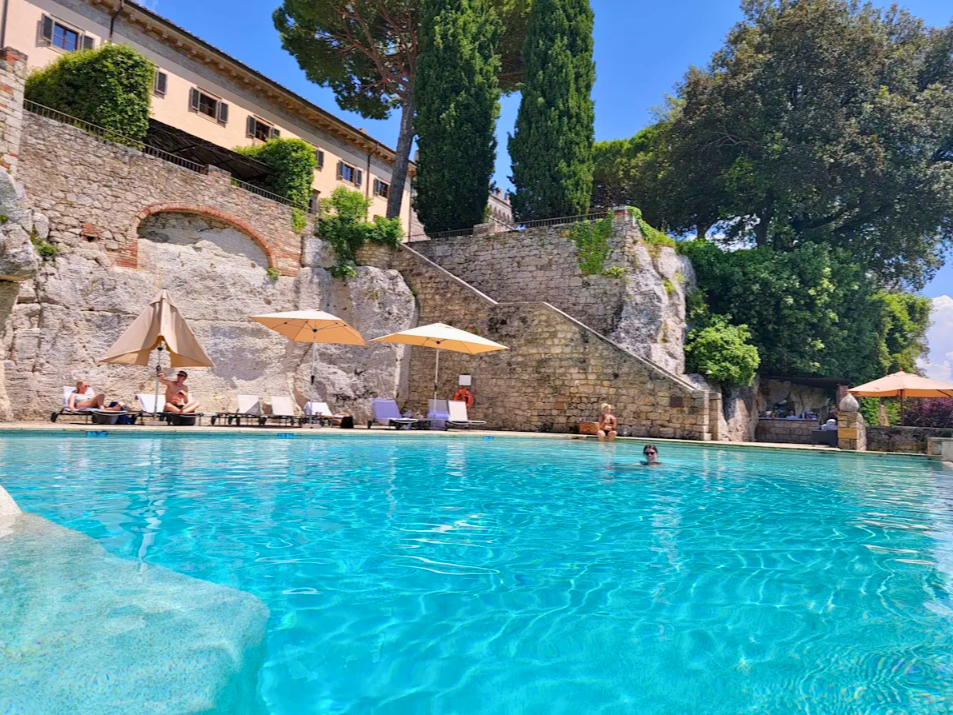
This is where I’d really encourage travelers not to over-schedule. Borgo Pignano is not the kind of place you just sleep at between activities—it really is part of the destination.
Spend the day however sounds best to you: pool time, a long lunch, a cooking class, a walk through the property, or simply a slower day with nowhere to be. There are trails on-site, beautiful views throughout, and even a waterfall hike that’s worth doing if you want a little movement.
One of my biggest takeaways from staying here was that two nights was not enough. If this property appeals to you, it’s worth building in time to actually enjoy it.
Day 5: Explore Volterra or stay put
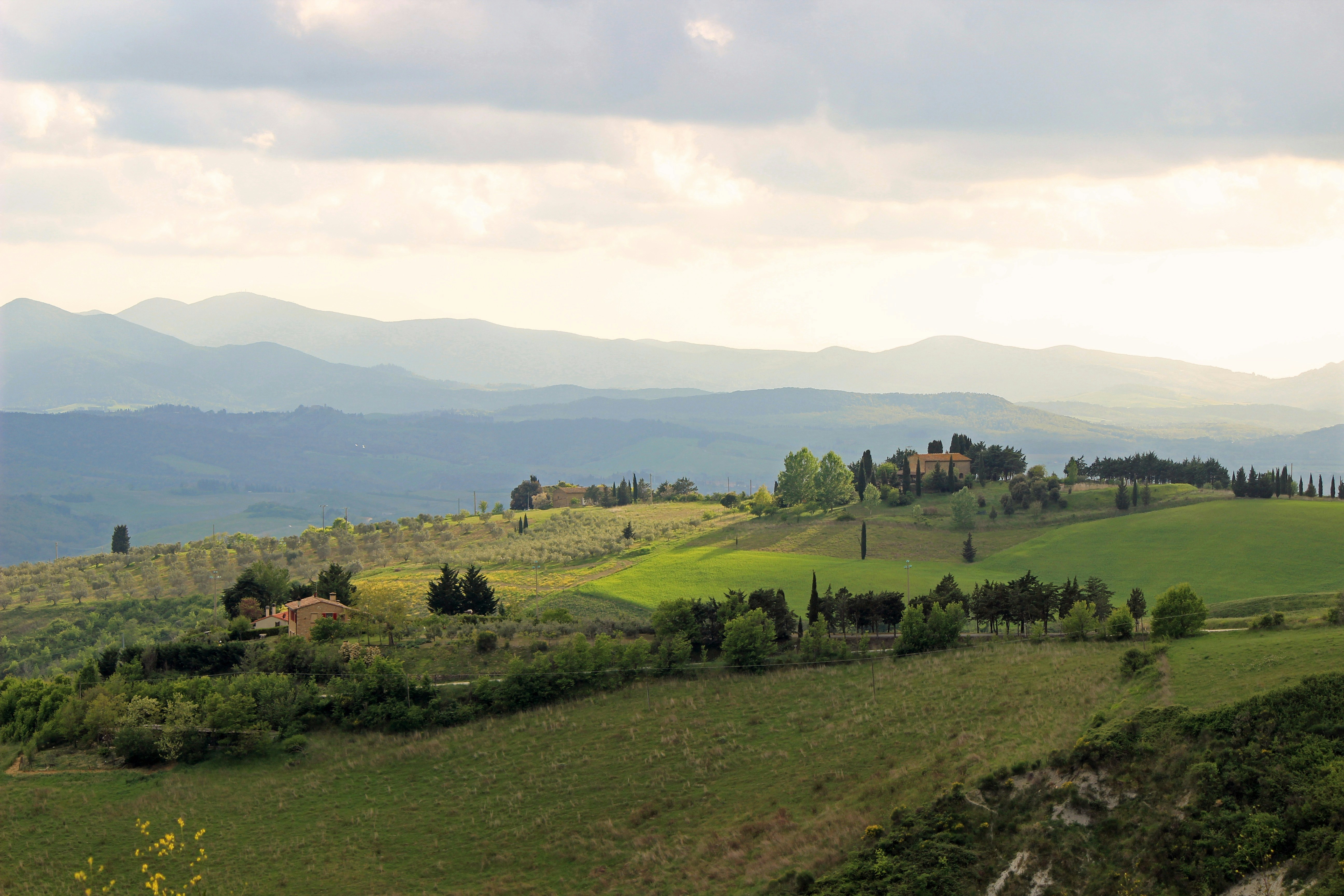
Today can go one of two ways, and both are good options.
If you want to explore, head into nearby Volterra for a few hours. It’s atmospheric, historic and less overwhelming than some of Tuscany’s more famous towns. If you’d rather stay close, this is another easy day to spend enjoying Borgo Pignano itself, which honestly is what I’d probably recommend for a lot of travelers.
This part of the trip is less about checking boxes and more about settling into a place that feels distinctly Tuscan in a way that still feels peaceful and refined.
Day 6: Travel to Portovenere
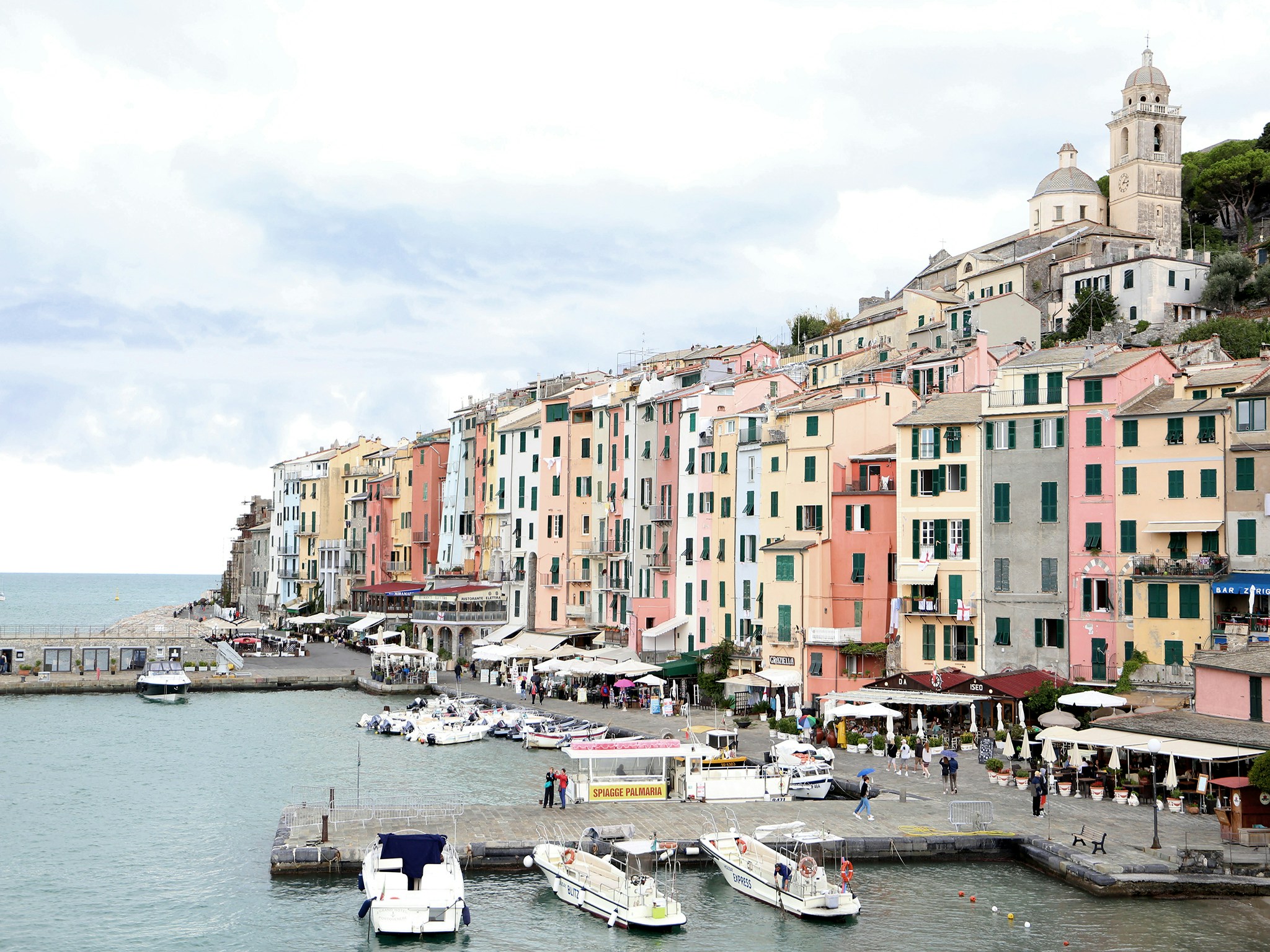
Today, make your way from Tuscany to the Ligurian Coast. Rather than staying directly in Cinque Terre, I’d strongly recommend using Portovenere as your base instead.
This is one of the biggest “what I’d do differently now” takeaways from our original trip. Staying in the Cinque Terre villages themselves can be beautiful, but also logistically frustrating and much more crowded than many travelers expect, especially when you’re dealing with luggage, steep terrain, parking, or daytime crowds.
Portovenere gives you access to the same coastline and beauty, but with a much calmer, more grounded feel. Check into Grand Hotel Portovenere, take a walk through town, and settle in by the harbor.
Day 7: Experience the coast from the water
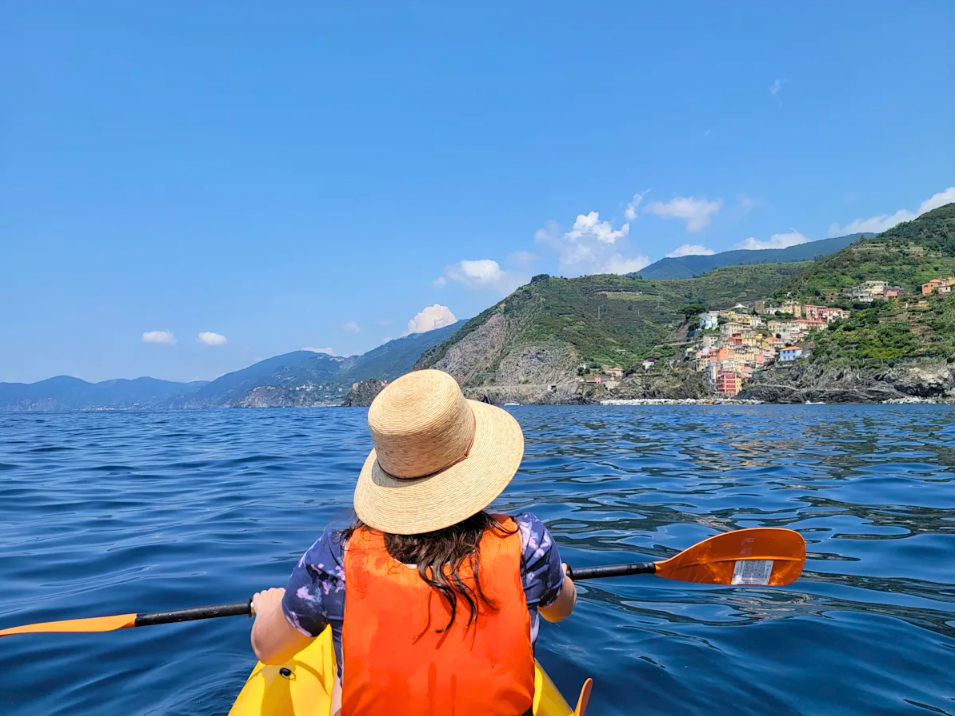
Today, spend time seeing this coastline the way I think it shines best: from the water.
That could mean a ferry ride, a private or shared boat excursion, or simply structuring your day around being on or near the sea. One of the most memorable parts of this region for me was sea kayaking along the cliffs and taking in the dramatic coastline from that perspective.
That’s ultimately what I’d recommend leaning into here—not trying to rush through every village, but experiencing the beauty of this stretch of coast in a way that feels a little more spacious and less chaotic.
Dinner back in Portovenere is the perfect way to end the day.
Day 8: Visit Cinque Terre
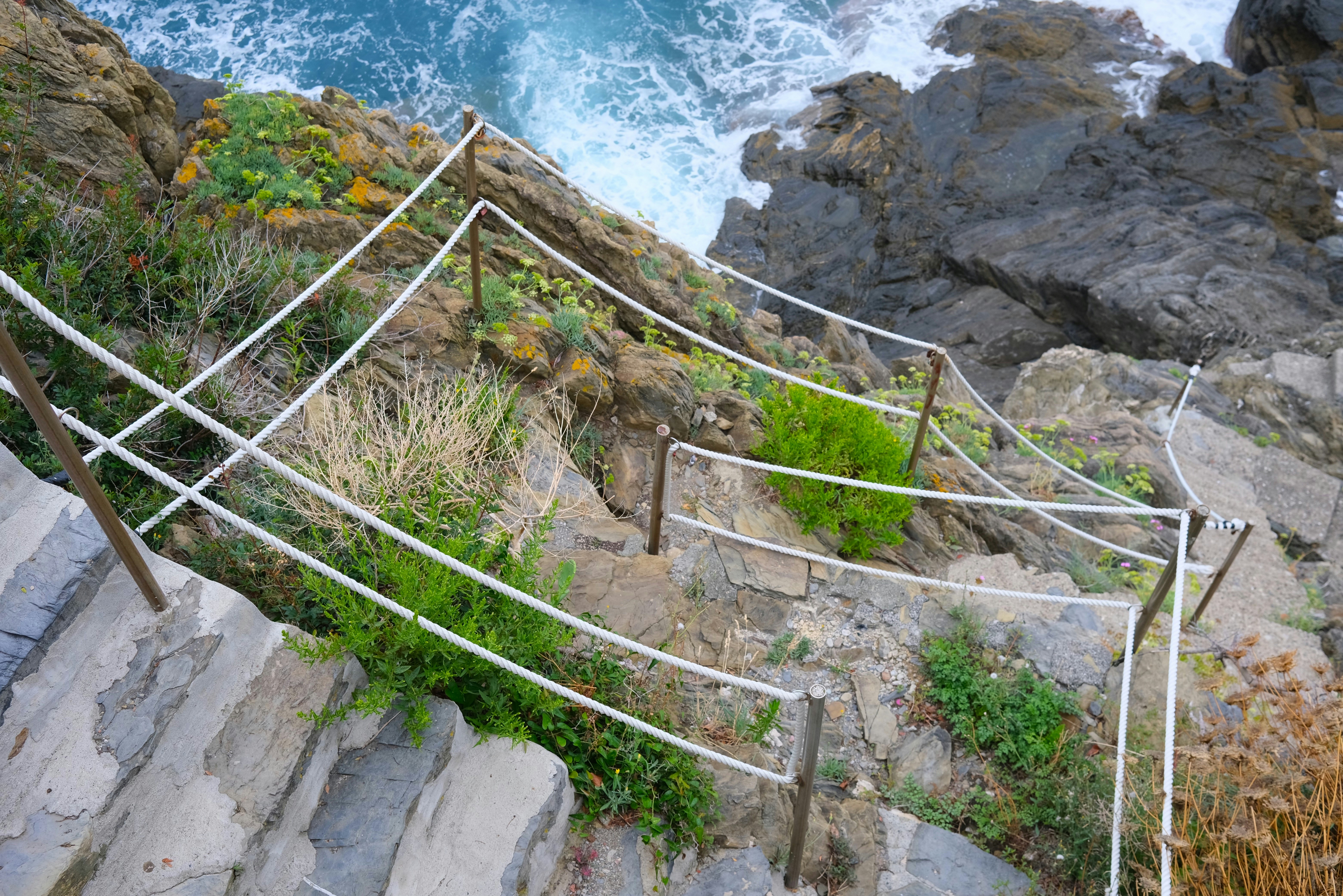
Use today for a more intentional Cinque Terre day. From Portovenere, you can visit one or two of the villages by ferry or train rather than basing yourself there the whole time.
This is the approach I’d recommend now. It still lets you experience the beauty and character of the area, but avoids some of the parts I found less enjoyable—the heavy daytime crowds, the stress of arriving by car, and the feeling that some parts of the villages were simply too saturated to feel relaxed.
If you want to hike, choose one segment rather than trying to do too much. If you want to wander, keep your expectations focused on views, coastline, and atmosphere rather than trying to force a full hidden-gem experience in one of Italy’s busiest destinations.
Day 9: Travel to the Dolomites
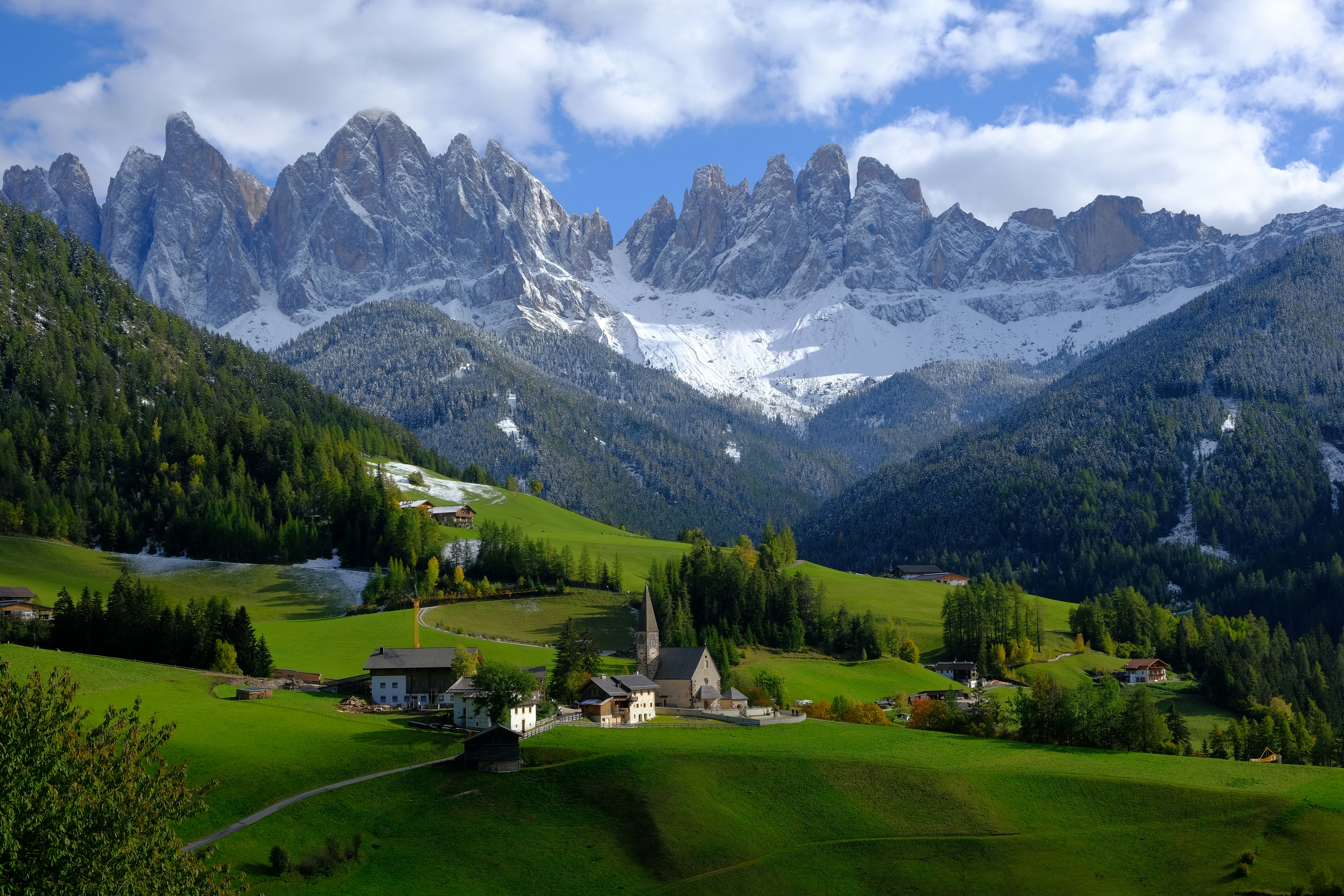
Today is your longest travel day, and one that is best done by car or private transfer. This is where the trip starts to shift into a more dramatic, alpine landscape, and it’s worth allowing the drive itself to be part of the experience.
If you’re up for a stop, this is where a place like Lake Garda could make sense as its own separate extension or overnight, but for this itinerary, I’d keep moving and focus on getting settled into the Dolomites with enough time to actually enjoy them.
Check in, take in the mountain air, and keep the evening relaxed.
Day 10: Scenic Dolomites day
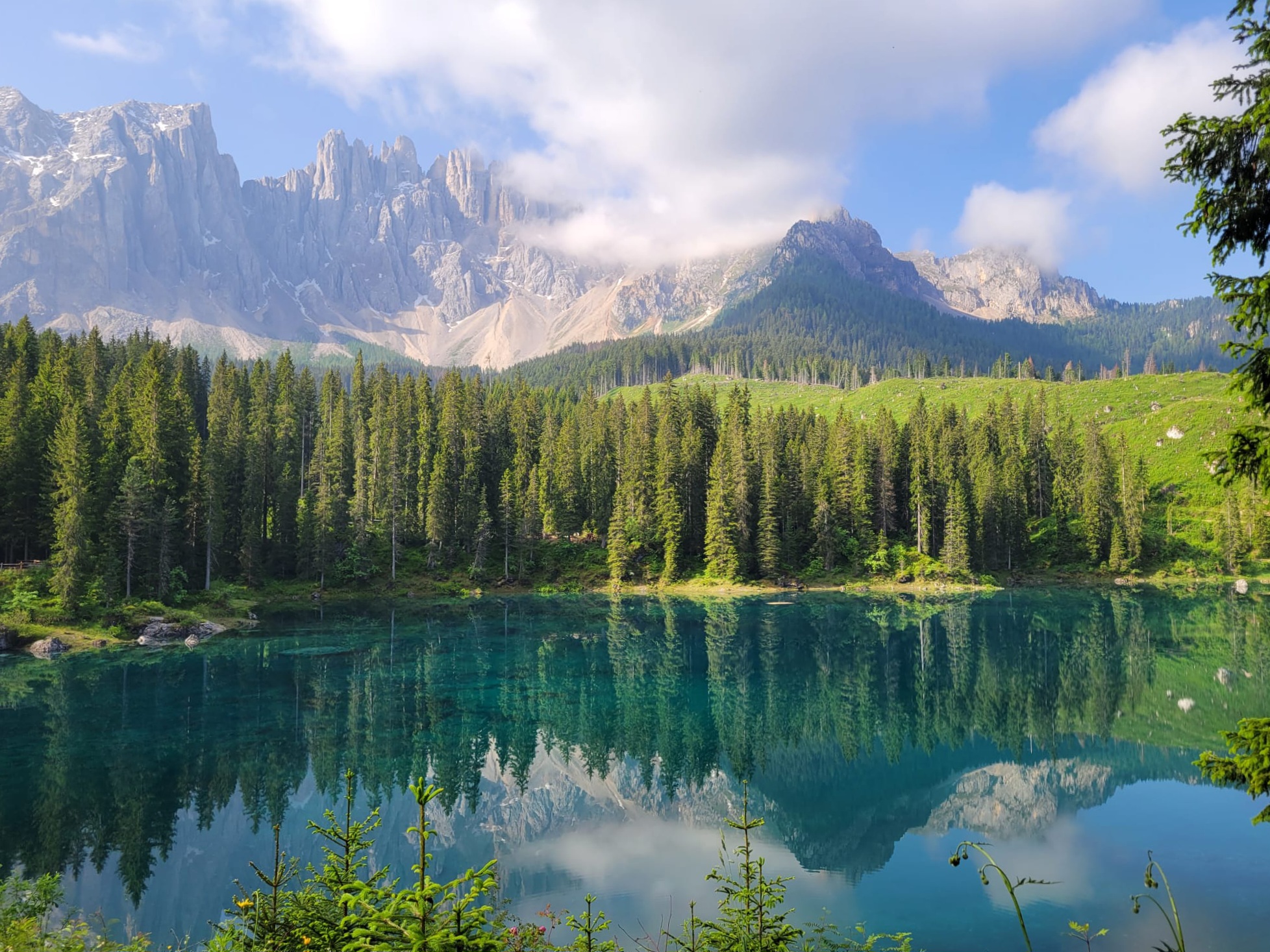
Spend today taking in some of the iconic scenery of the Dolomites. This could include a route through places like Lake Carezza, Sella Pass, or simply some of the region’s most beautiful roads and viewpoints, depending on where you’re based.
This is the kind of place where even a drive can feel like an experience in itself. I’d keep your plans flexible enough to stop often and not rush through the scenery.
If you prefer a slower day, this is also a great place to simply enjoy your hotel and the surrounding landscape.
Day 11: Hike Tre Cime di Lavaredo
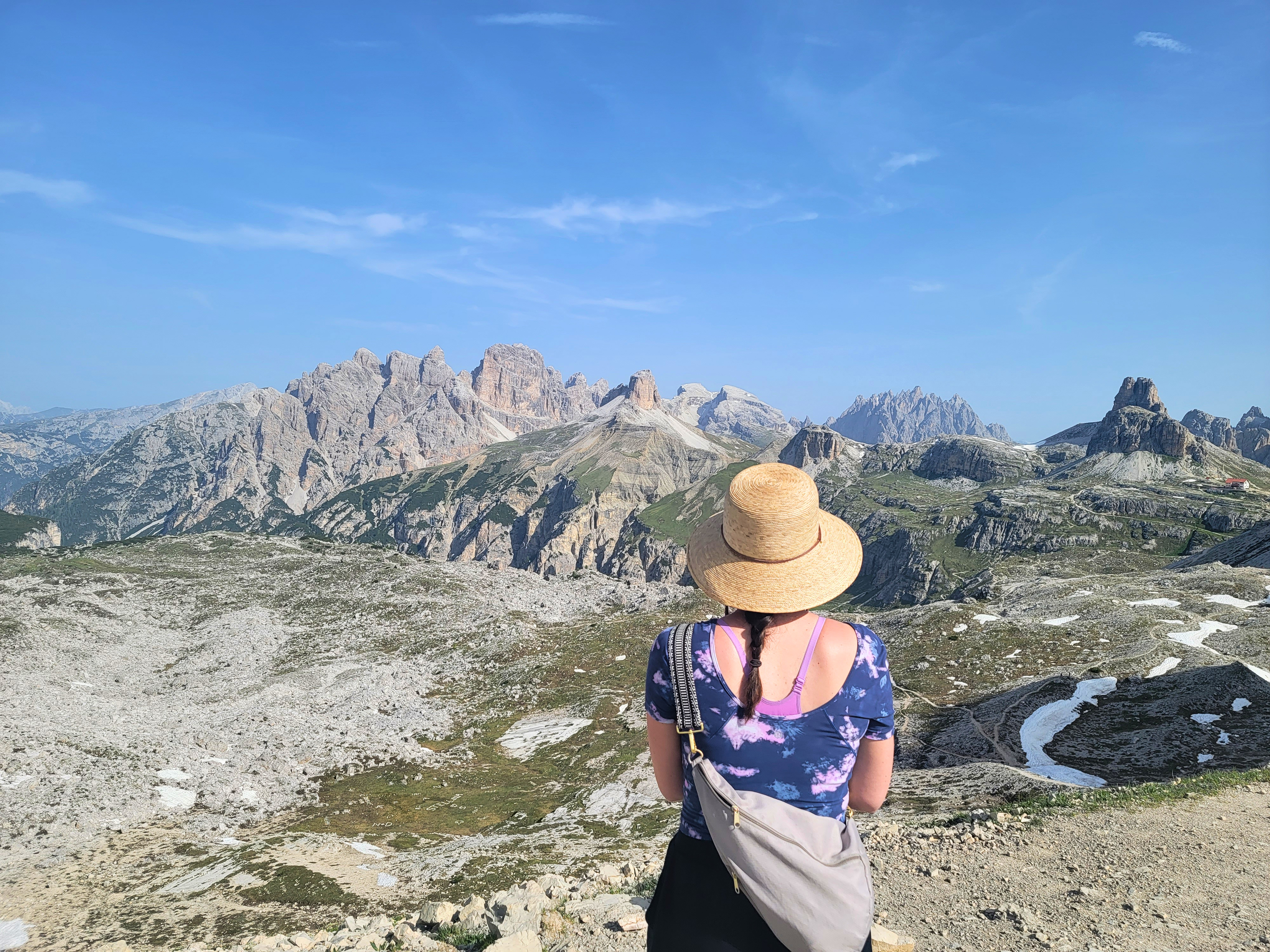
If you enjoy active travel and want one of the most memorable days of the trip, this is the day for Tre Cime di Lavaredo.
This hike was one of the standout experiences of our time in Northern Italy and absolutely worth prioritizing if it fits your travel style. The scenery is dramatic in a way that’s hard to overstate, and the loop offers some of the most iconic views in the Dolomites.
Start early, bring layers and give yourself plenty of time. Even if you’re not a serious hiker, this region offers so much visual payoff that it’s worth building in at least one meaningful mountain day.
Day 12: A second day in the Dolomites
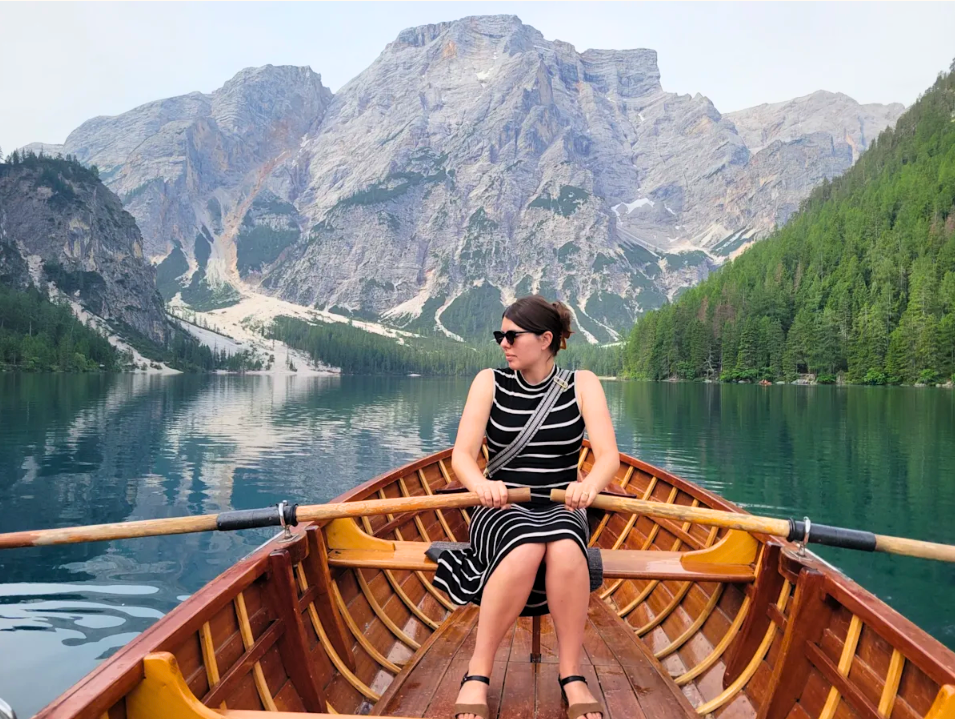
One day in the Dolomites is not enough, and this second full day makes a big difference.
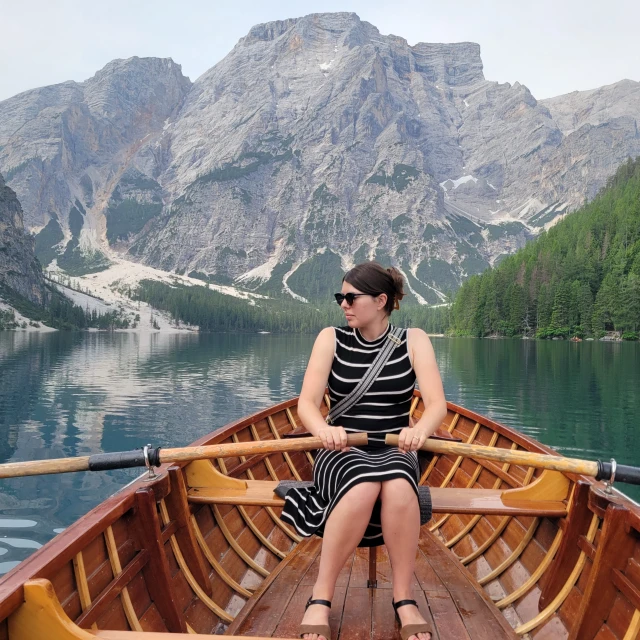
You might spend today doing another hike, visiting Lake Braies, taking a scenic lift or simply slowing things down and enjoying the setting. This region can absolutely support a much longer trip, so giving it multiple days helps the itinerary feel more grounded and less rushed.
If you love nature, mountain scenery, and beautiful drives, this will likely be one of your favorite parts of the trip.
Day 13: Valdobbiadene/Prosecco Hills
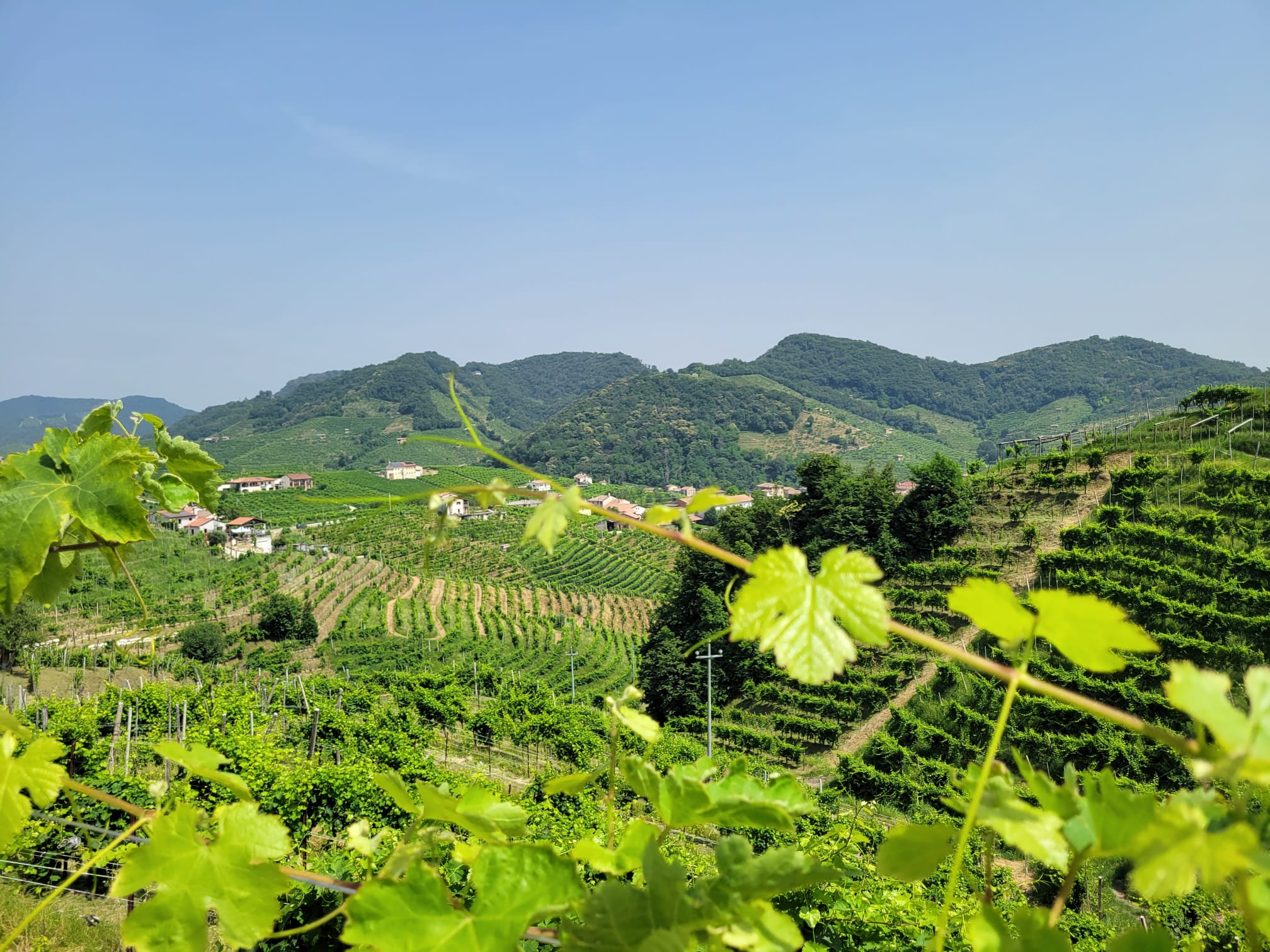
Rather than racing straight back toward your departure point, I love the idea of ending this itinerary in the Prosecco Hills.
Valdobbiadene ended up being one of the quieter surprises of our trip and felt like such a peaceful way to wind down after the movement of the previous stops. Think rolling vineyard views, a more local feel, slower meals, and a softer landing before heading home.
This is the kind of place I could easily see as part of a future standalone trip too, but even one night here gives the itinerary a much more graceful ending.
Day 14: Departure
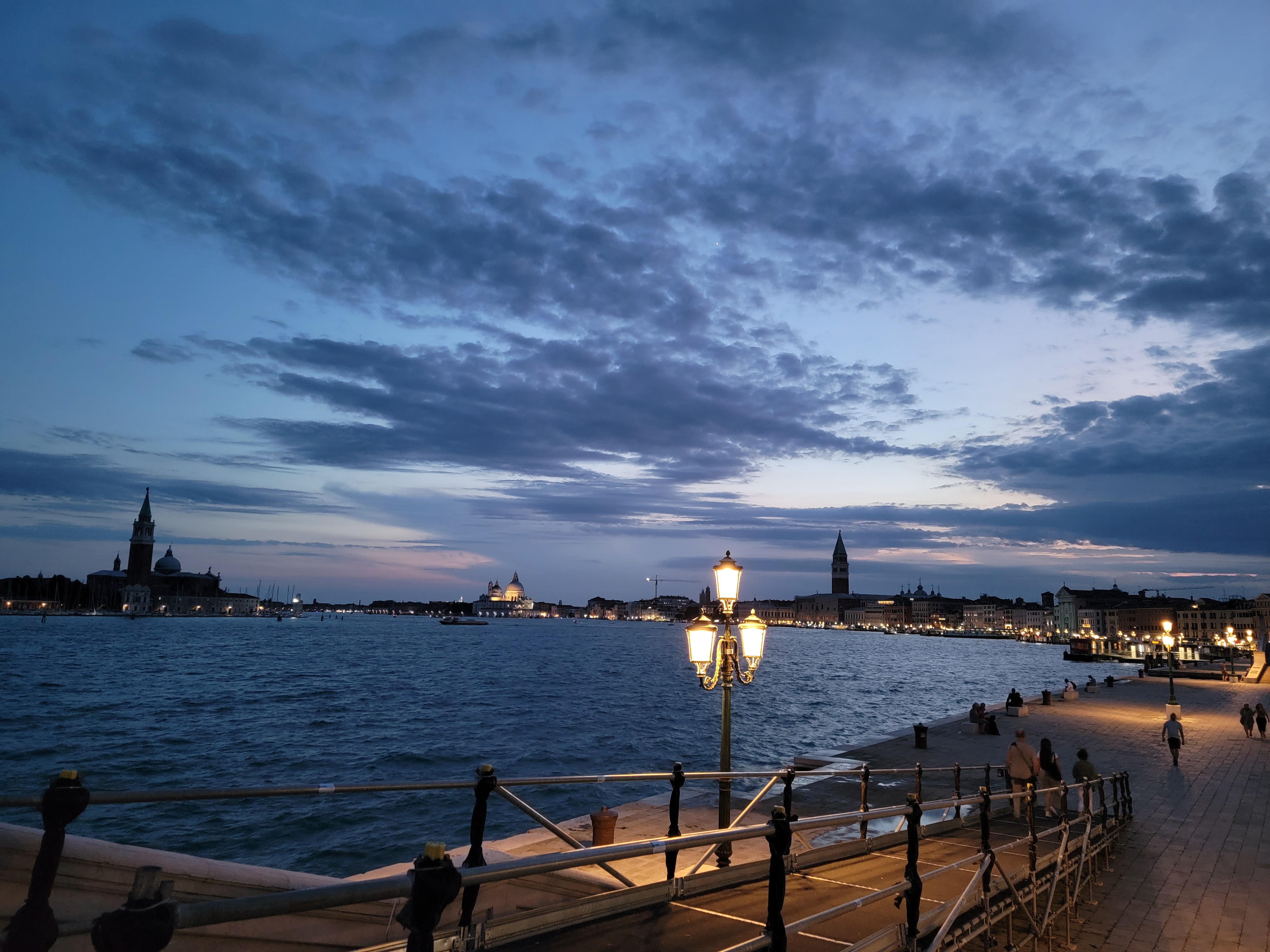
Depending on your flights, return to Venice or continue onward to your departure airport.
By this point, you’ll have experienced a version of Northern Italy that feels varied and memorable without trying to force every possible stop into one trip, which in my opinion is exactly what makes this route work so well.
Need to know
This itinerary works best when you treat it as a thoughtfully paced sampler rather than an attempt to “see all of Northern Italy.” That’s part of what makes it enjoyable.
Transportation matters a lot here. Some portions of this route are easy to do by train and private transfer, while others are much better suited to a car. If I were planning this for a client, I’d customize that balance based on their comfort level, priorities, and how active or independent they want the trip to feel.
I’d also say this: several places on this itinerary—Borgo Pignano, the Dolomites, Lake Garda and the Prosecco Hills especially—could each justify more time or even their own future trip. That’s not a downside. It’s part of what makes Northern Italy such a rewarding region to return to.


Travel Advisor
Mackenzie Hunter
Mackenzie Hunter

Get in touch with Mackenzie Hunter
Did you like this guide? Reach out to customize and book your own experience. Or, just to chat about travel in general.
For more inspiration and insider recommendations, visit our Italy page.