




Curator’s statement
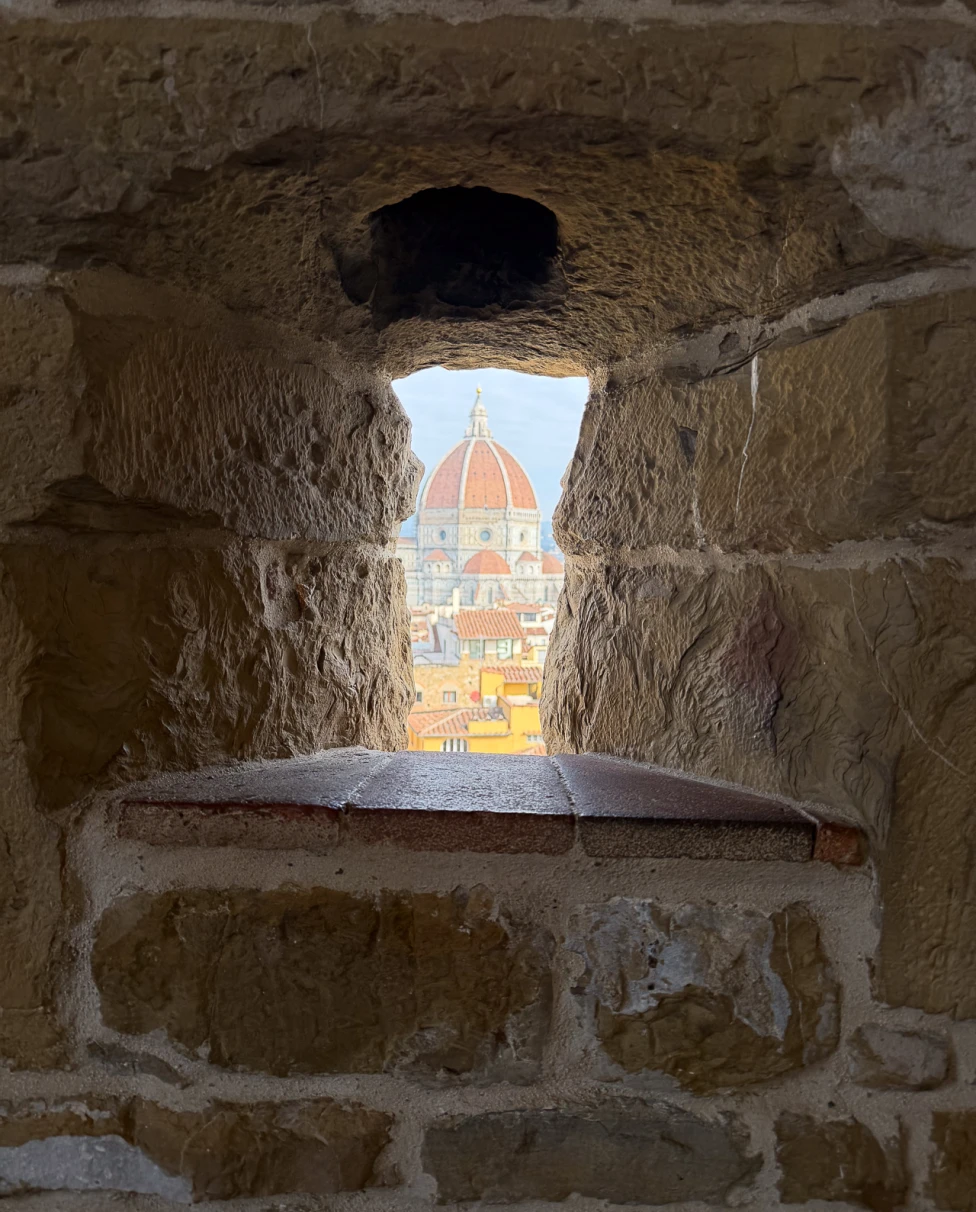
Florence is one of the most extraordinary cities in the world—the cradle of the Renaissance, where art, architecture, and human ambition converged to reshape Western civilization. Walking its streets feels like moving through a living museum: Brunelleschi's Dome still dominates the skyline, Michelangelo's David stands in breathtaking silence, and the Uffizi holds centuries of genius within a single building. But Florence rewards those who slow down—the smell of leather drifting through the San Lorenzo market, a lampredotto sandwich from a street cart, the golden light settling over the Arno at dusk from the Ponte Vecchio. Its position at the heart of Italy makes it an ideal base for the whole country, with Rome, Venice, Milan, and Lake Como all just a train ride away. And just beyond the city limits, Tuscany unfolds in all its timeless beauty: rolling hills, ancient hilltop villages, and sun-drenched vineyards made for savoring la dolce vita. Florence is a city that insists you pay attention—to craft, to beauty, and to the sheer, stubborn persistence of human creativity across time.
The Fora Difference
Book with Passports & Plans to access exclusive perks and experiences on your trip.

Killer perks
Free upgrades, spa credits and more—we got you

Personalized recs
Customized travel planning for your style

Insider knowledge
Expert advice from people who’ve actually been there
Where to stay in Florence, Italy
Unlock perks by contacting Passports & Plans to book your trip.
Things to do in Florence, Italy
Climb the Duomo
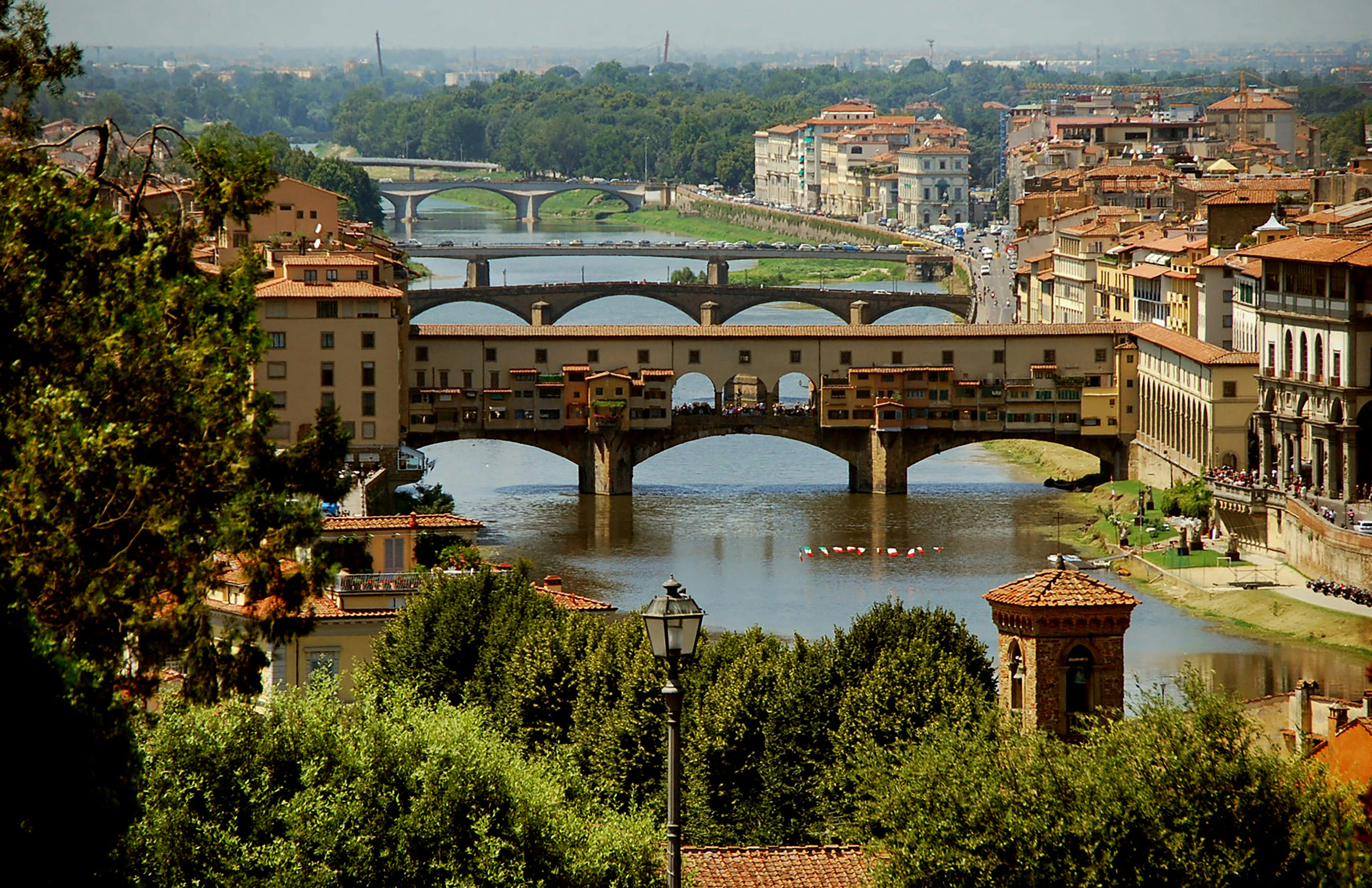
No trip to Florence is complete without ascending the iconic dome designed by Filippo Brunelleschi—a feat of Renaissance engineering that took over a century to complete and remains the largest brick dome ever constructed. The climb is a workout, but the panoramic views of Florence’s terracotta rooftops, the Arno River, and the Tuscan hills beyond are absolutely worth every step. Book your timed entry in advance, as tickets sell out quickly.
The Uffizi Gallery
Home to one of the greatest collections of Renaissance art in the world, the Uffizi is a non-negotiable stop for any first-time visitor—and rewards repeat visits just as richly. Botticelli’s Birth of Venus, da Vinci’s Annunciation, and Caravaggio’s works are just a few of the masterpieces housed within its walls. Plan to spend at least half a day here, and consider booking a guided tour to fully appreciate the historical context behind what you’re seeing.
Galleria dell’Accademia
This is where you come face to face with Michelangelo’s David—and no photograph does it justice. The sheer scale and detail of the sculpture is genuinely awe-inspiring, even for those who’ve seen it in images a thousand times. Beyond the David, the gallery also houses Michelangelo’s hauntingly unfinished Prisoners series, which alone makes the visit extraordinary.
Soak In the city views: Piazzale Michelangelo or Boboli Gardens
For the best panoramic views of Florence, make your way to Piazzale Michelangelo at golden hour—the sight of the city bathed in warm light, with the Duomo rising above it all, is one you won’t soon forget. Alternatively, the Boboli Gardens behind the Pitti Palace offer a more serene escape, with manicured terraces, fountains, and shaded pathways that unfold into sweeping views of the city and surrounding hills.
Day trips: Cinque Terre, Siena, San Gimignano, and Pisa
Florence’s central location makes it a dream base for day trips into some of Italy’s most iconic landscapes. Head to the dramatic coastal villages of Cinque Terre for colorful cliffside views and fresh seafood, or venture south to medieval Siena and the skyline of San Gimignano’s ancient towers. Pisa is an easy half-day trip—yes, the Leaning Tower is worth seeing in person, even if just once. Each of these destinations is easily accessible by train or organized tour, and many offer wine tasting experiences along the way through the stunning Tuscan countryside.
Explore the wine windows
One of Florence’s most charming and lesser-known treasures, the buchette del vino (wine windows) are small, arched openings built into the facades of Renaissance-era palazzos that noble families once used to sell wine directly to passersby. Many of these historic windows have been lovingly restored in recent years and are once again dispensing wine and cocktails—a delightful and very Florentine way to enjoy an afternoon drink.
Tour with a local historian
To truly understand Florence, walk it with someone who knows its stories. Booking a private tour with a local historian or specialist guide transforms the experience—suddenly the streets, buildings, and artworks speak an entirely different language. Whether you focus on Renaissance art, Medici power, or the city’s medieval past, an expert guide unlocks layers of Florence that most visitors never access.
Museo Galileo (House of Galileo Galilei)
Tucked along the Arno near the Uffizi, this often-overlooked gem is dedicated to the history of science and houses an extraordinary collection of Renaissance-era scientific instruments, including Galileo’s own telescopes. It’s a fascinating counterpoint to the city’s artistic monuments and a reminder that Florence was not only the birthplace of the Renaissance in art, but in thought and scientific inquiry as well.
Places to eat & drink in Florence, Italy
View on Art Rooftop Cocktail Bar for sunset aperitivo: For the most glamorous aperitivo hour in Florence, head to View on Art—the rooftop bar atop the Hotel degli Orafi, perched right along the Arno with an unobstructed view of the Ponte Vecchio. Arrive just before sunset, order a Negroni (the Florentine classic), and watch the city turn golden. It’s the perfect way to transition from sightseeing to an evening out.
Il Vecchio e Il Mare for pizza: A beloved local spot that proves Florence can hold its own when it comes to pizza. Il Vecchio e Il Mare serves beautifully blistered pies with quality ingredients in a relaxed, unpretentious setting—the kind of place locals actually eat, not one designed for tourists passing through.
Buca Lapi for Tuscan steak: Buca Lapi claims to be the oldest restaurant in Florence, and a meal here feels like dining inside history—quite literally, as the restaurant is set in the vaulted cellars of the Palazzo Antinori. Come hungry for the bistecca alla Fiorentina, the thick, bone-in T-bone steak that is Florence’s most iconic dish. Order it rare, as tradition demands.
Oltrarno Osteria for Traditional Tuscan Fare: Cross the Ponte Vecchio into the Oltrarno neighborhood and you’ll find a more local, less tourist-trafficked side of Florence—and this osteria embodies that spirit perfectly. The menu rotates with the seasons, so ask your server what they recommend for both food and wine. Surrendering to their suggestions is always the right call.
Osteria Santo Spirito for truffle gnocchi: Nestled in the lively Piazza Santo Spirito, this neighborhood osteria is a must for truffle lovers. The truffle gnocchi is rich, earthy, and deeply satisfying—the kind of dish that ruins you for lesser versions forever. The piazza itself has a wonderful local energy, especially in the evenings when the square fills with Florentines enjoying the night air.
Osteria e Vinaio Ciccalone for Ragù di Cinghiale: For an authentic taste of Tuscan cuisine, seek out this under-the-radar osteria and order the ragù di cinghiale—a slow-cooked wild boar ragù that is as rustic and soulful as Tuscan cooking gets. Pair it with a glass of local Chianti and settle in.
Osteria delle Tre Panche for anything truffle: If truffles are your weakness, Osteria delle Tre Panche is your place. Nearly everything on the menu can be elevated with truffle, and the kitchen does it beautifully—without the gimmick factor that plagues so many truffle-forward restaurants elsewhere. A true local gem.
Ciro & Sons for gluten-free and lactose-free options: Traveling with dietary restrictions in Italy can feel daunting, but Ciro & Sons makes it genuinely joyful. This standout spot offers an impressive array of gluten-free and lactose-free options without sacrificing flavor or authenticity—a rare and wonderful find in Florence.
Pino’s Sandwiches for incredible panini: Don’t sleep on Florence’s sandwich culture. Pino’s is the kind of no-frills, counter-service spot that locals swear by—stuffed panini made with quality Tuscan ingredients and zero pretension. Grab one for lunch and eat it on a nearby stoop like a Florentine.
Need to know
On gelato: If you can believe it, there is such a thing as bad gelato—and Florence has plenty of it near the major tourist sites. What to look for: muted, natural colors (never bright neon), and gelato stored in flat, covered metal containers rather than towering, fluffy mounds (a telltale sign of large batches and artificial stabilizers). Seek out shops using seasonal ingredients and, as a general rule, avoid anywhere that feels like it’s catering exclusively to tourists.
On sunset at Piazzale Michelangelo: If you’re a sucker for a beautiful sunset, here’s your move: grab a pizza, make your way up to Piazzale Michelangelo, and watch the sky over Florence turn every shade of gold and rose. The panoramic view of the city from this hilltop square is stunning at any hour, but at sunset it’s something else entirely—and enjoying it with a slice in hand makes it feel perfectly, gloriously Italian.
On getting around Italy: Public transit in Italy is genuinely excellent. For fast, comfortable travel between major cities—Rome to Florence, Florence to Milan—high-speed trains like Italo are your best bet; book in advance for the best prices. For smaller towns and a more leisurely pace, regional trains (Regionale or Veloce) are cheaper, have fixed pricing, and offer a wonderful window into the Italian countryside.


Travel Advisor
Passports & Plans


Michelle Barry

Get in touch with Passports & Plans
Did you like this guide? Reach out to customize and book your own experience. Or, just to chat about travel in general.
For more inspiration and insider recommendations, visit our Florence page.