





Curator’s statement
When I design trips to China, I rarely stop at just Beijing and Shanghai. They’re important, but they don’t capture what makes a trip feel complete. What I’ve found—both from my own experience and planning for clients—is that the most memorable moments usually happen outside those cities. These are the destinations I consistently use to balance a China itinerary: places that add nature, food, culture, and a completely different pace. I don’t include all of them in every trip, but I almost always include at least one or two depending on the client.
The Fora Difference
Book with Kosmos to access exclusive perks and experiences on your trip.

Killer perks
Free upgrades, spa credits and more—we got you

Personalized recs
Customized travel planning for your style

Insider knowledge
Expert advice from people who’ve actually been there
Where to stay in China
Unlock perks by contacting Kosmos to book your trip.
Things to do in China
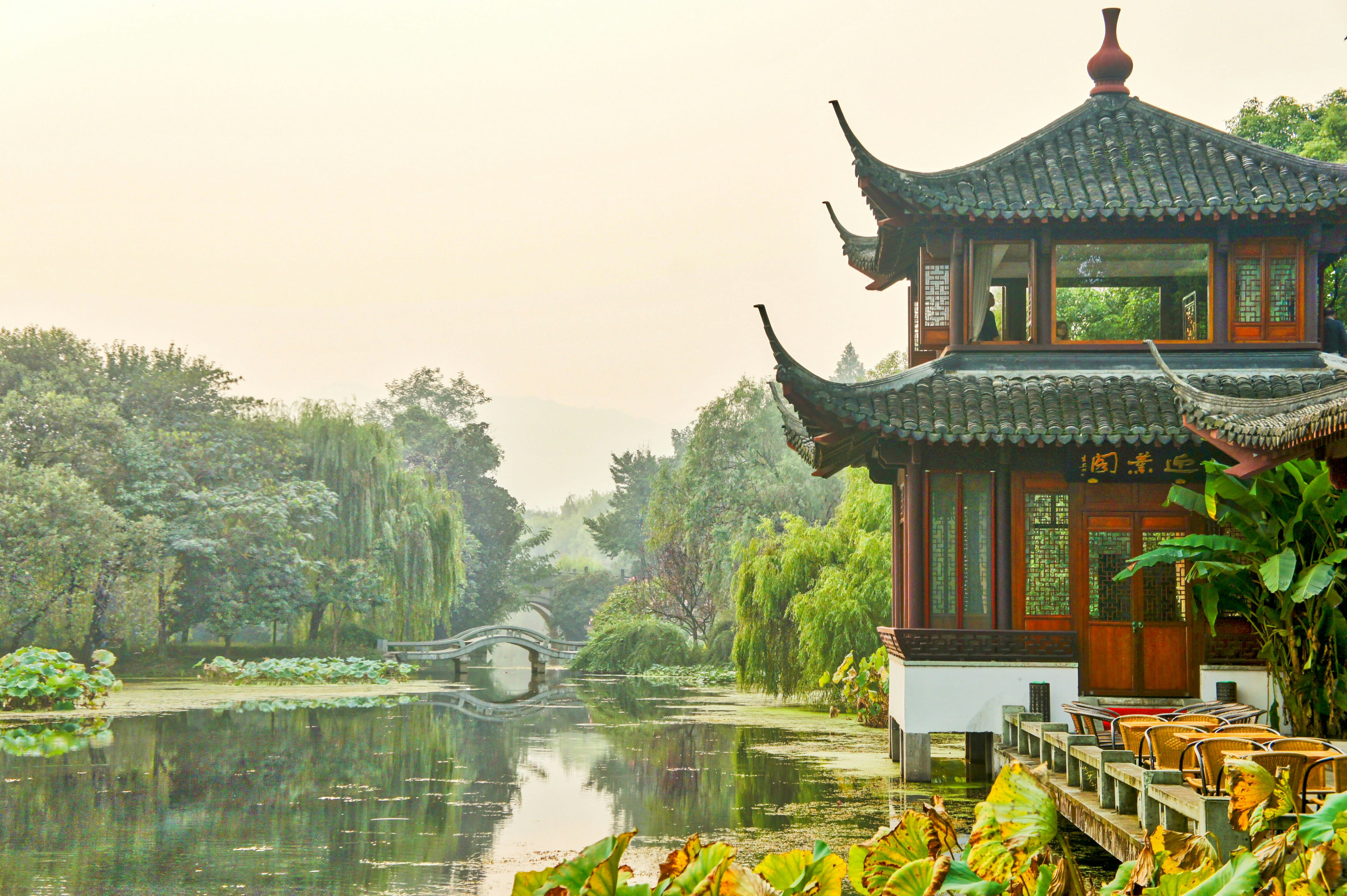
Slow down in Hangzhou (and don’t over-plan it)
Hangzhou is where I usually send clients right after Shanghai—and I always tell them to shift gears completely. The first time I went, I made the mistake of trying to “see everything” around West Lake. Now I do the opposite: Walk or bike part of the lake early in the morning, do one temple (usually Lingyin), and leave the rest open. If you stay at Amanfayun, the best part is actually just being there—the village setting, the quiet, and the slower pace.
Keep Xi'an focused & efficient
Xi’an is important, but I never overcomplicate it. What I recommend: Do the Terracotta Army early with a guide (this makes a big difference), spend an hour or two on the city wall (bike or walk), and explore the Muslim Quarter in the evening. I’ve found that trying to add too much here makes it feel heavy—it works best as a short, high-impact stop.
Eat your way through Chengdu
Chengdu is one of the most enjoyable cities in China, mostly because of how people live. One thing I always tell clients: Don’t over-plan meals here. Some of the best experiences I’ve had were sitting in a teahouse in People’s Park for longer than expected, and trying smaller, local hot pot spots instead of the well-known ones. Also, go to the panda base early—later in the day, it’s a completely different experience.
Base yourself in Yangshuo, not Guilin
This is one of the biggest adjustments I make to itineraries. Most people stay in Guilin, but I almost always move clients to Yangshuo instead. It has better scenery, is more relaxed, and feels much less like a transit stop. I usually recommend skipping the large group Li River cruise, doing a quieter bamboo raft on the Yulong River, and biking through the countryside. The first time I did this route properly, it completely changed how I saw this region.
Explore Yunnan slowly
Yunnan is one of the few regions in China where I completely change how I design the itinerary. Instead of trying to cover everything, I focus on Lijiang for a base, with Shangri-La for a completely different cultural feel. One mistake I made early on was trying to move too quickly between stops. Now I always slow it down—the transitions and the landscape are a big part of the experience.
Add Tiger Leaping Gorge as a curated experience, not a trek
A lot of clients assume this is a serious hiking destination—I don’t position it that way. Instead, I recommend staying at Songtsam Lodge Tiger Leaping Gorge, doing short, scenic walks only, and focusing on viewpoints and the overall setting. The first time I approached it this way, it completely changed the experience—it became about the landscape, not the effort.
Handle Zhangjiajie very strategically
Zhangjiajie is one of the most visually impressive places in China—but it can also be chaotic if done wrong. Go early—timing changes everything, don’t try to see every viewpoint, and plan routes in advance (this is not a place to improvise). When it’s done properly, it feels almost surreal. When it’s not, it feels crowded and overwhelming.
Places to eat & drink in China
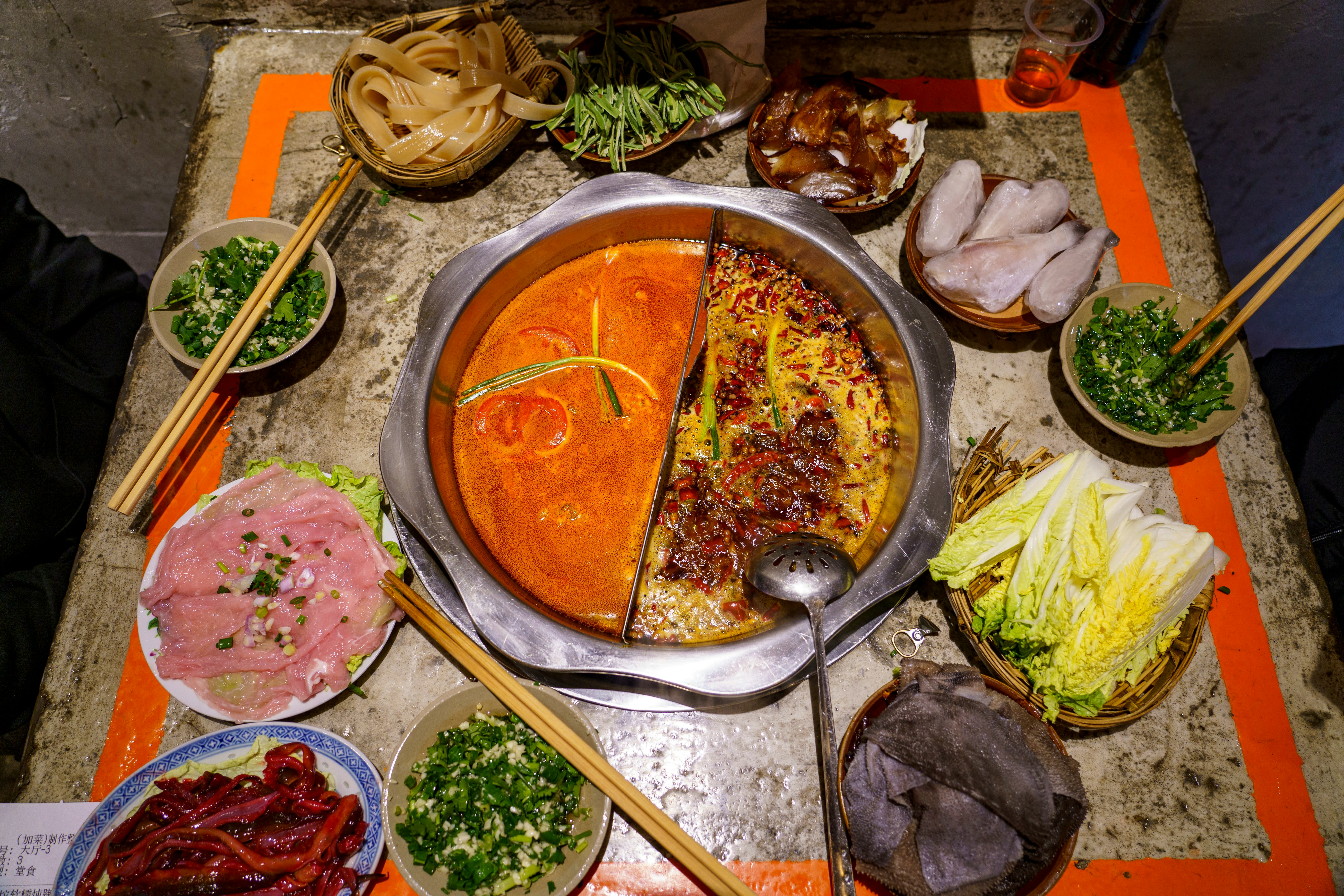
Hot pot in Chengdu (go local)
I usually steer clients away from the biggest names and toward smaller places—the experience feels more authentic and less staged.
Hotel dining in Hangzhou (especially Amanfayun / Four Seasons)
Some of the most consistent meals I’ve had in Hangzhou have been at the hotels, especially after a slower day.
Countryside meals in Yangshuo
Simple dishes, fresh ingredients—nothing overly formal, but often more memorable than structured dining.
Street food in Xi’an’s Muslim Quarter (with some guidance)
I like this for the energy, but I always suggest going in with a bit of direction instead of randomly picking spots.
Dining at Songtsam properties (Yunnan)
Some of the most memorable meals I’ve had in this region were at the lodges—local, seasonal, and very aligned with the surroundings.
Simple, local meals in Lijiang and Shangri-La
I usually recommend keeping things flexible here—some of the best meals come from smaller, unplanned stops.
Need to know
Most of these destinations work best as one- to two-night stays.
The biggest mistake in China itineraries is trying to do too much.
Domestic flights are often the most efficient way to move between regions.
A good guide makes a significant difference in places like Xi’an and Chengdu.
Not every destination fits every client—choosing the right ones is key.
Weather and visibility (especially in Yangshuo) can change the experience—flexibility helps
Final note
If there’s one thing I’ve learned planning China trips, it’s that the difference between a good itinerary and a great one comes down to balance. Beijing and Shanghai give you the foundation—but these are the places that make the trip feel complete.


Travel Advisor
Kosmos


Alberto Mussali

Get in touch with Kosmos
Did you like this guide? Reach out to customize and book your own experience. Or, just to chat about travel in general.
For more inspiration and insider recommendations, visit our China page.