



Curator’s statement
The Canadian Rockies offer the kind of scenery that creates constant moments of awe, where glacier-fed lakes, towering peaks, and expansive alpine landscapes make even the drive between destinations feel unforgettable. From the iconic beauty of Banff and Jasper to the quieter corners of Yoho and Kootenay, each park reveals a different side of this remarkable region of Canada while still feeling deeply connected through the surrounding wilderness. What makes this itinerary especially rewarding is the balance between iconic highlights and slower, more intentional experiences that allow travelers to fully absorb the landscape rather than simply move through it.
The Fora Difference
Book with Sophultravels to access exclusive perks and experiences on your trip.

Killer perks
Free upgrades, spa credits and more—we got you

Personalized recs
Customized travel planning for your style

Insider knowledge
Expert advice from people who’ve actually been there
Where to stay
Unlock perks by contacting Sophultravels to book your trip.
Day 1: Arrival in Calgary & beginning the journey
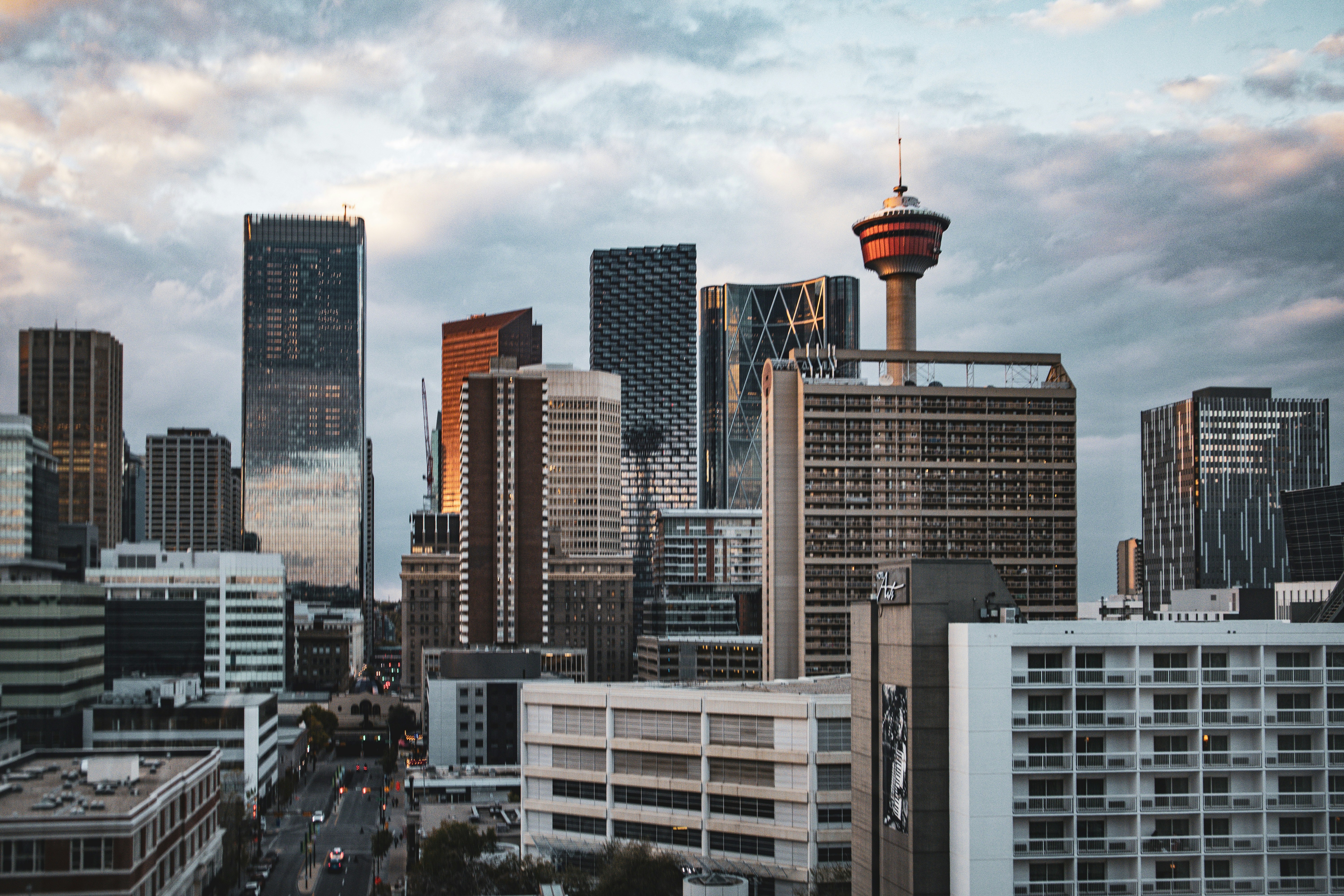
Calgary skyline; Photo by Alex C.
Arrive in Calgary and pick up your rental car before stocking up on snacks, groceries, and hiking essentials for the road ahead. Rather than rushing directly into the mountains, I recommend easing into the trip with a relaxed first evening, allowing time to adjust to the slower rhythm that makes road trips through the Canadian Rockies feel so rewarding.
Calgary’s food scene makes for a great introduction to Western Canada, especially before spending the next several days surrounded by more remote landscapes. Starting the trip at a calmer pace helps create space to fully appreciate how dramatically the scenery changes once you begin heading west into the mountains.
Day 2: Entering Yoho National Park
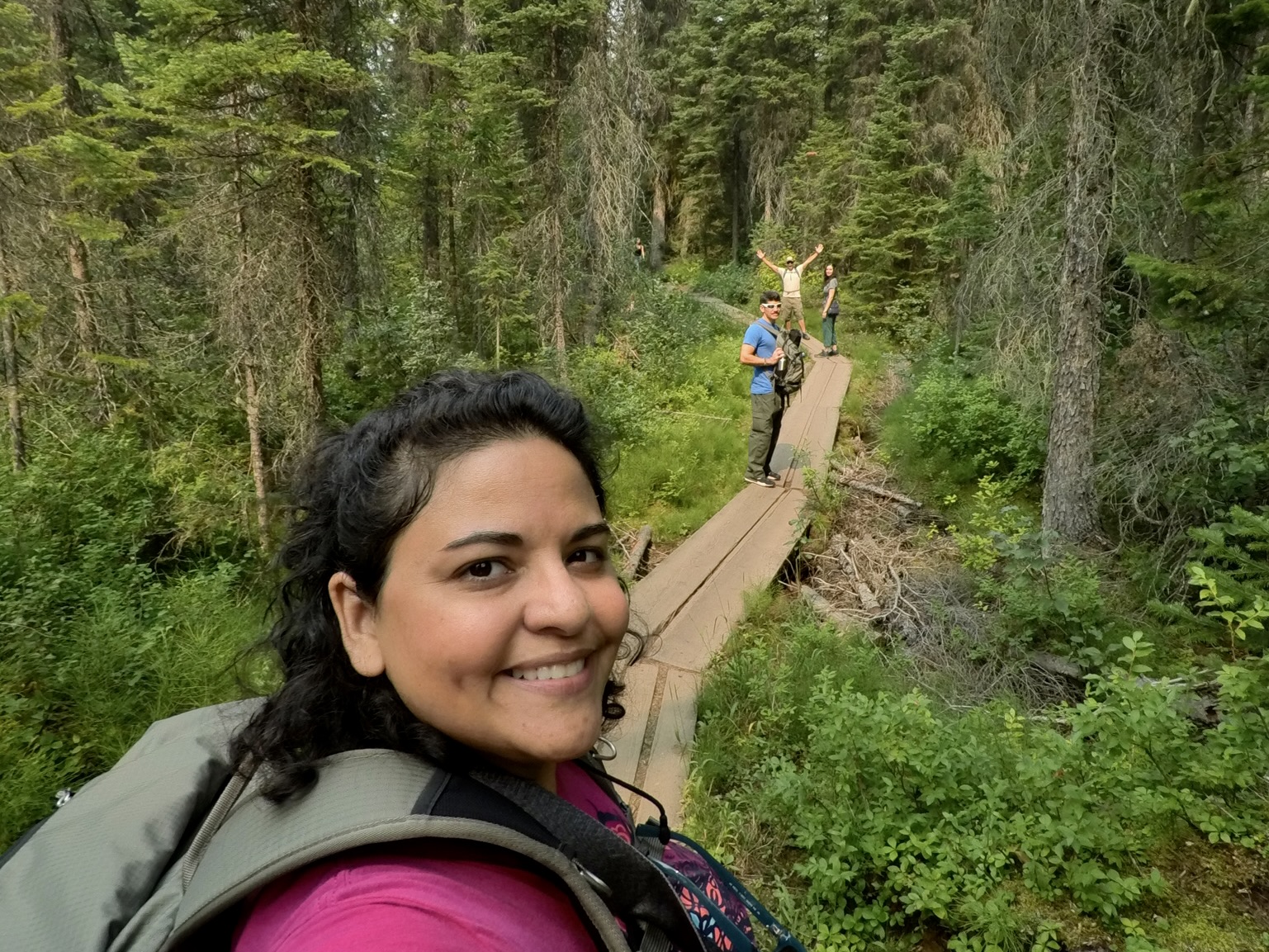
Trail around Emerald Lake; Photo: Sophia Ramos-Climent
Drive west toward Yoho National Park, where the transition from foothills to towering mountain scenery happens surprisingly quickly. Beginning the road trip in Yoho rather than Banff allows the experience to unfold more gradually, easing into the Canadian Rockies through quieter landscapes before reaching some of the region’s busier and more iconic destinations later in the itinerary. Spend the day exploring highlights like Emerald Lake, the Spiral Tunnels, and the small town of Field, while allowing extra time for scenic pull-offs and shorter walks along the way.
Wapta Falls is especially worthwhile for travelers wanting a moderate hike without committing to a full-day trail, and staying nearby rather than simply passing through allows you to experience Yoho in a quieter and more immersive way after many day visitors have left the park.
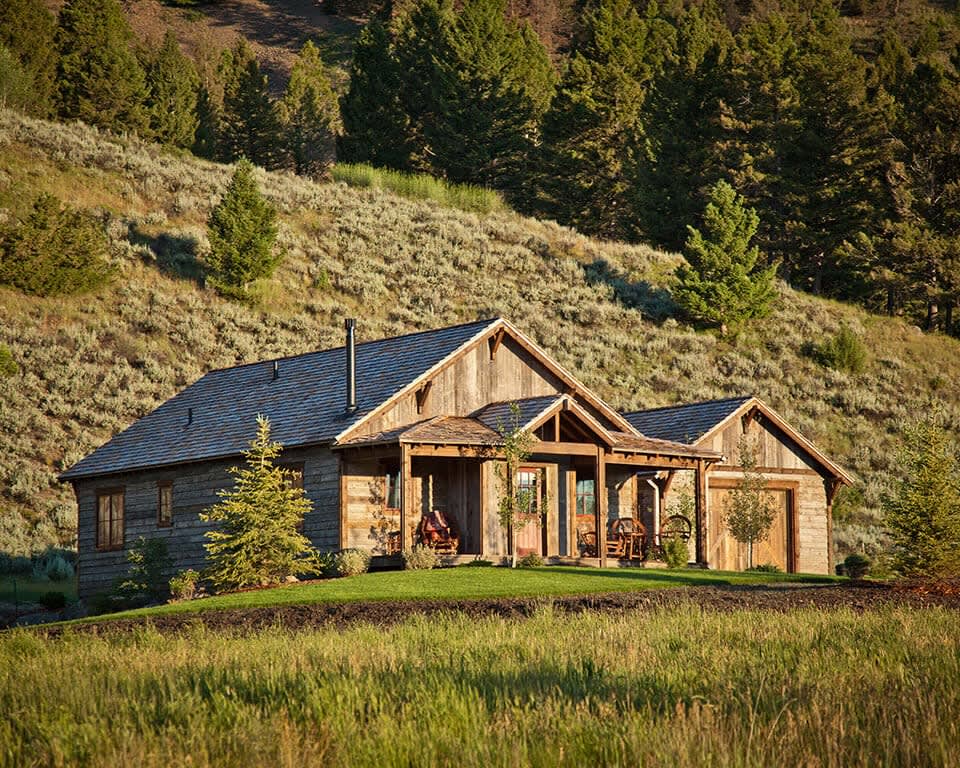
A great base for exploring the region is the town of Golden, which offers easier access to accommodations, restaurants, and supplies while still being within a reasonable driving distance of Yoho’s main highlights. Rental homes and cabins are also an excellent option here, particularly for travelers wanting more space, kitchen access, or a quieter setting surrounded by nature.
Day 3: Whitewater rafting & flexible adventure in Yoho
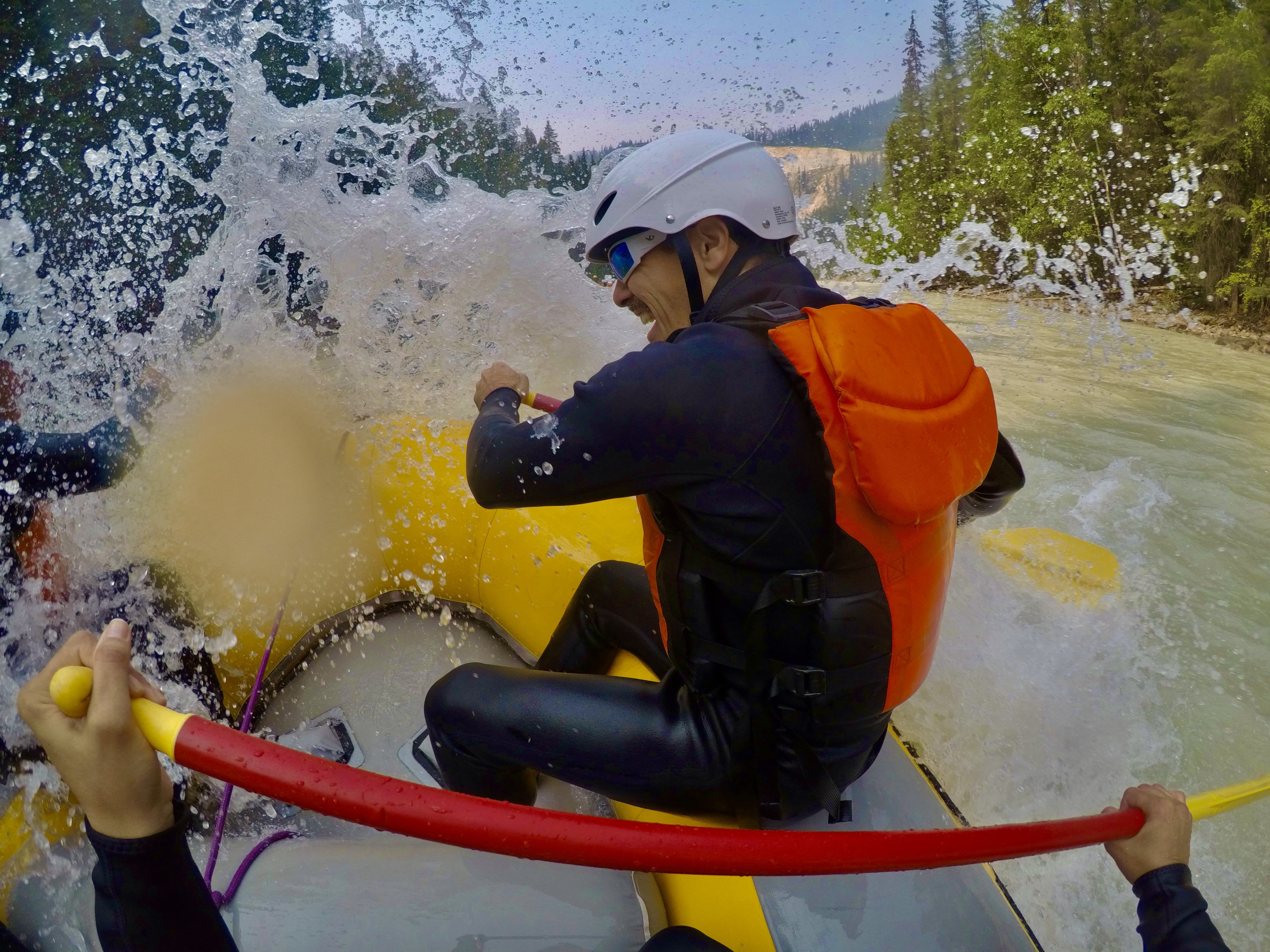
Whitewater rafting along Kicking Horse River; Photo: Sophia Ramos-Climent
With the pace of the trip now settling in, this is the perfect day to experience one of the more adventurous sides of the Canadian Rockies. Whitewater rafting is a great option here, combining glacier-fed rivers, mountain scenery, and just the right amount of adrenaline while still fitting naturally into the overall rhythm of the itinerary.
Pair the day with a hike nearby or another outdoor activity, depending on energy levels and weather conditions. Leaving extra free time in the afternoon or evening allows space to slow down, explore more casually, or simply unwind and take in the scenery without feeling over-scheduled.
Day 4: Hiking the Iceline Trail in Yoho National Park
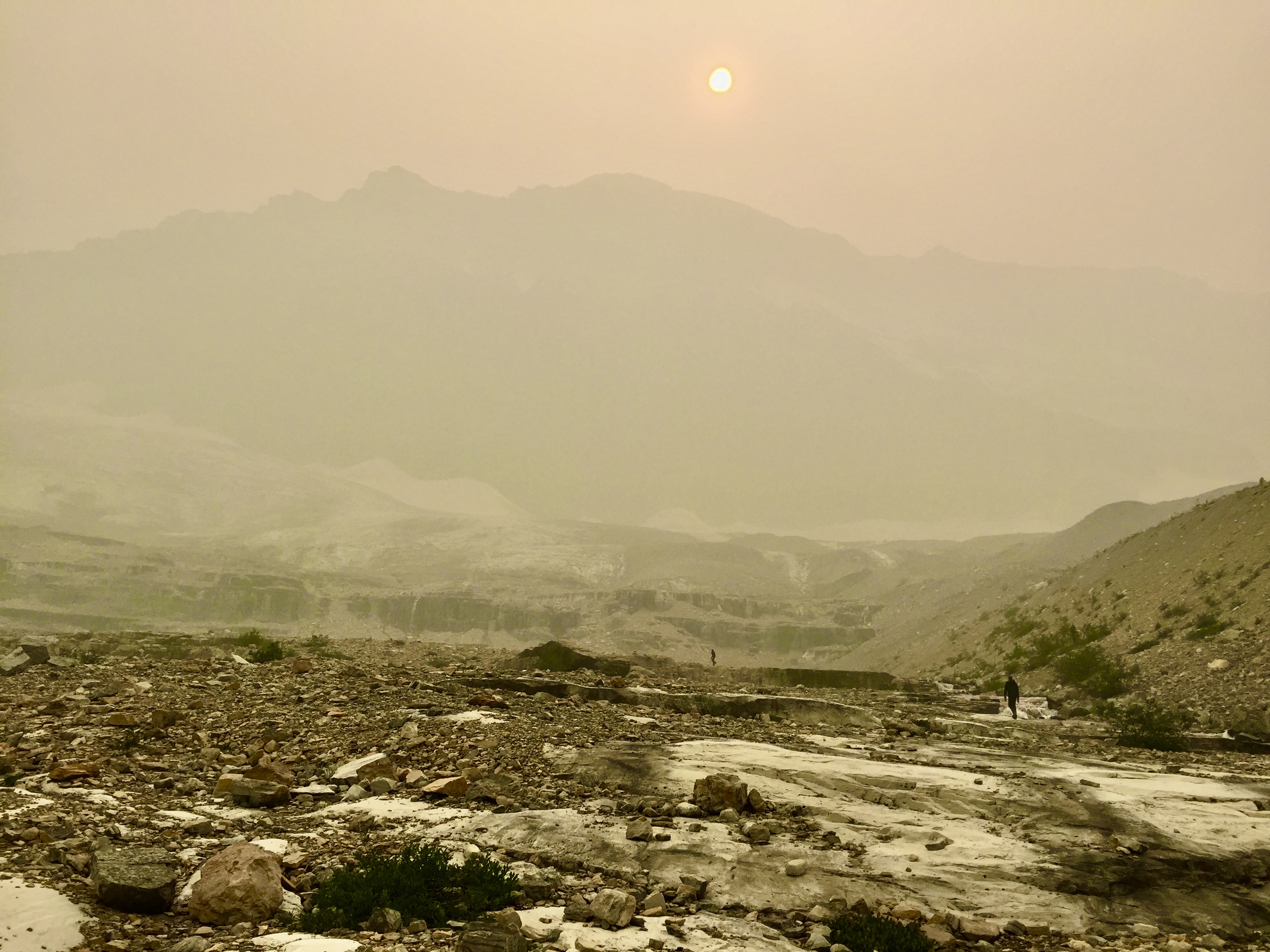
High above on Iceline Trail; Photo: Sophia Ramos-Climent
Dedicate the day to hiking the Iceline Trail, widely considered one of the premier alpine hikes in the Canadian Rockies. Unlike many trails that remain heavily forested for much of the route, the Iceline quickly climbs above the tree line into a dramatic landscape of glaciers, hanging valleys, waterfalls, and expansive mountain views that continue for much of the hike. The scenery feels distinctly different from the lower elevations explored earlier in the trip, creating a true high-alpine experience within Yoho National Park.
Because this is a full-day hike with significant mileage and elevation gain, an early start is highly recommended. Packing a substantial lunch, extra snacks, and plenty of water is important, as the exposed terrain and elevation can make the trail feel more demanding than expected. Weather conditions can also shift quickly in the alpine environment, making layers and rain protection worthwhile even during the summer months.
For travelers preferring a shorter day, there are several options to customize portions of the route or return earlier while still experiencing the most scenic sections of the trail. Whether completed in full or partially, the Iceline Trail offers one of the most memorable hiking days of the entire road trip.
Day 5: Relaxed mountain day before entering Kootenay
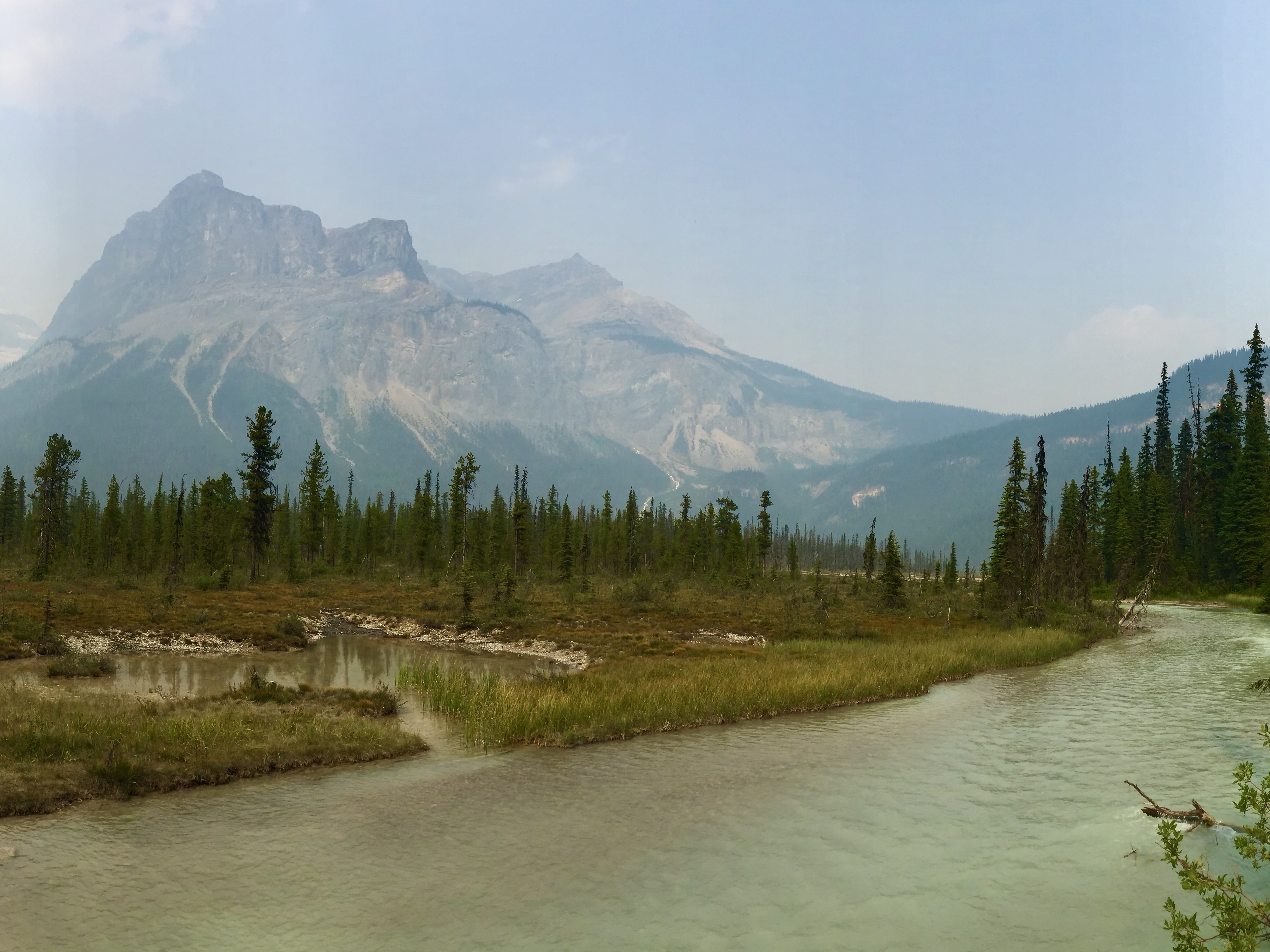
Yoho National Park on a hazy day; Photo: Sophia Ramos-Climent
After the demanding alpine hike the previous day, enjoy a slower-paced day before continuing deeper into the Canadian Rockies. This flexible day works well as both a recovery day and an opportunity to experience the quieter side of the region without feeling tied to major hikes or strict schedules.
Travelers wanting additional light activity can choose from several shorter scenic walks nearby, spend time along the Kicking Horse River, or simply enjoy the mountain setting at a more relaxed pace. This is also an ideal day to enjoy local cafés, slower mornings, scenic drives, or photography stops that often get overlooked on faster-moving itineraries.
For those staying near Golden, the surrounding area offers a completely different atmosphere from the busier national park corridors, with a more laid-back mountain-town feel and easier access to amenities, restaurants, and accommodations. Rental cabins and vacation homes are especially enjoyable here, allowing time to recharge while still remaining immersed in the scenery of the Canadian Rockies.
This is also a good opportunity to restock groceries, snacks, fuel, and other supplies before continuing into the next portion of the road trip, where services become more limited and driving distances between stops increase. Taking advantage of the larger grocery stores and amenities in the area can help make the upcoming days along the Icefields Parkway and toward Jasper far more comfortable and flexible.
Leaving flexibility built into the itinerary at this point also helps create a more balanced overall trip, particularly before transitioning into additional hiking and longer driving days ahead.
Day 6: Stanley Glacier Trail & into Kootenay National Park
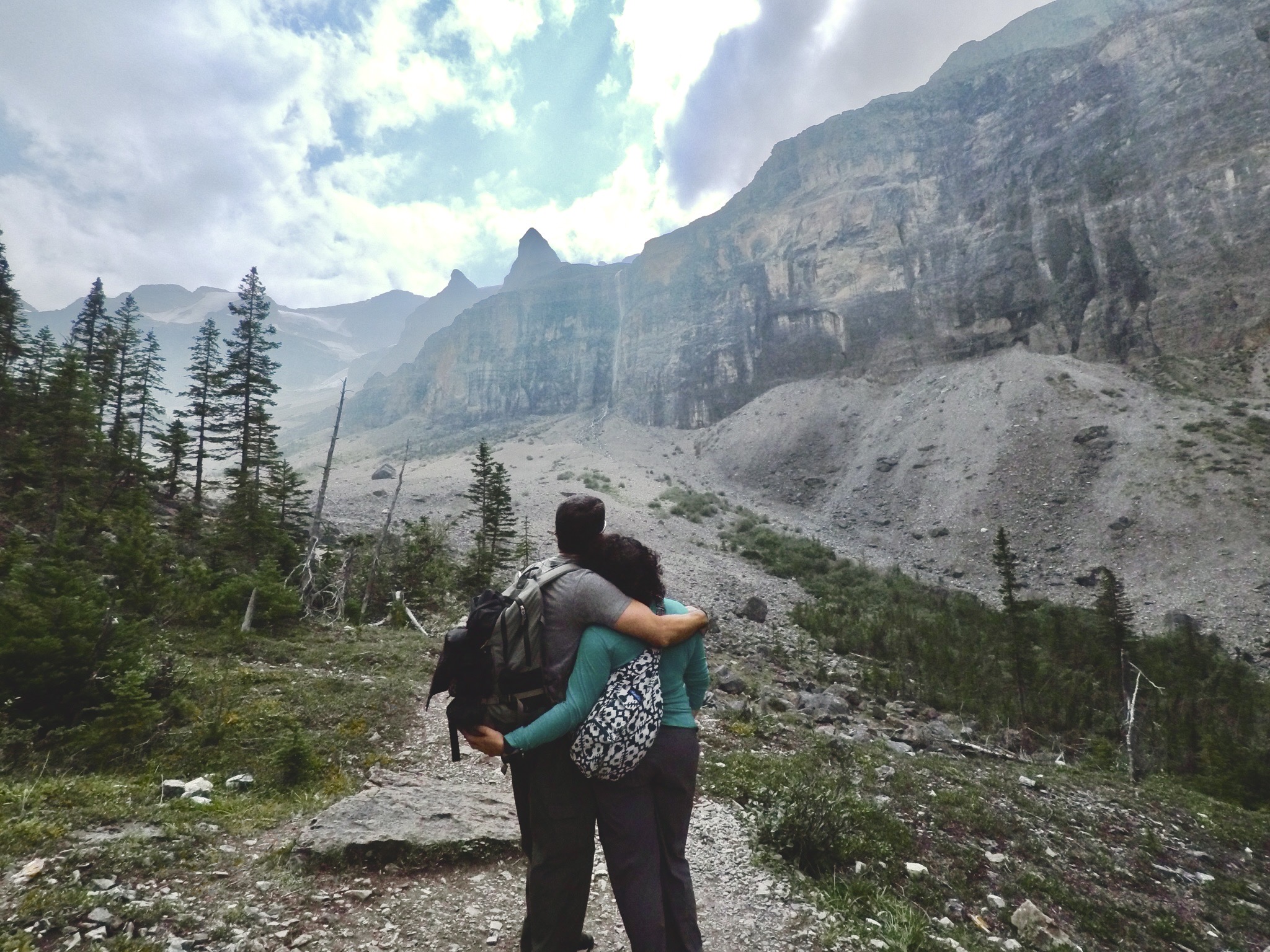
Stanley Glacier Trail; Photo: Sophia Ramos-Climent
Head south into Kootenay National Park and spend the day hiking the Stanley Glacier Trail, one of the most rewarding moderate hikes in the Canadian Rockies. The trail gradually climbs through a recovering burn area before opening into a dramatic glacier valley filled with waterfalls, towering rock walls, and expansive alpine scenery that feels far more remote than its relatively accessible location suggests. One of the most fascinating aspects of this hike is the presence of ancient Burgess Shale fossils embedded throughout the surrounding rock formations, adding another layer to the landscape beyond the scenery itself.
Although the hike is considered moderate, the reward-to-effort ratio is exceptional, especially once the trail opens into the upper valley with views toward Stanley Glacier and Mount Whymper. Starting earlier in the day is highly recommended, as parking fills quickly during summer and much of the trail is exposed to the sun. Packing plenty of water, snacks, and a good lunch is important, particularly for travelers continuing into the optional upper basin extension, which becomes steeper and more rugged.
The town of Radium Hot Springs makes an excellent base for exploring this portion of the Canadian Rockies, offering easier access to accommodations, restaurants, grocery stores, and the southern entrance to Kootenay National Park while still maintaining a quieter mountain-town atmosphere compared to Banff or Lake Louise. Travelers preferring to camp also have excellent options nearby, including Redstreak Campground, a popular Parks Canada campground located just above Radium Hot Springs with both traditional campsites and oTENTik accommodations available.
After the hike, ending the day with a dip in the hot pools at Radium Hot Springs is the perfect way to unwind and recover while still surrounded by the mountain scenery that defines this region of Canada.
Day 7: Lake Louise & iconic alpine scenery
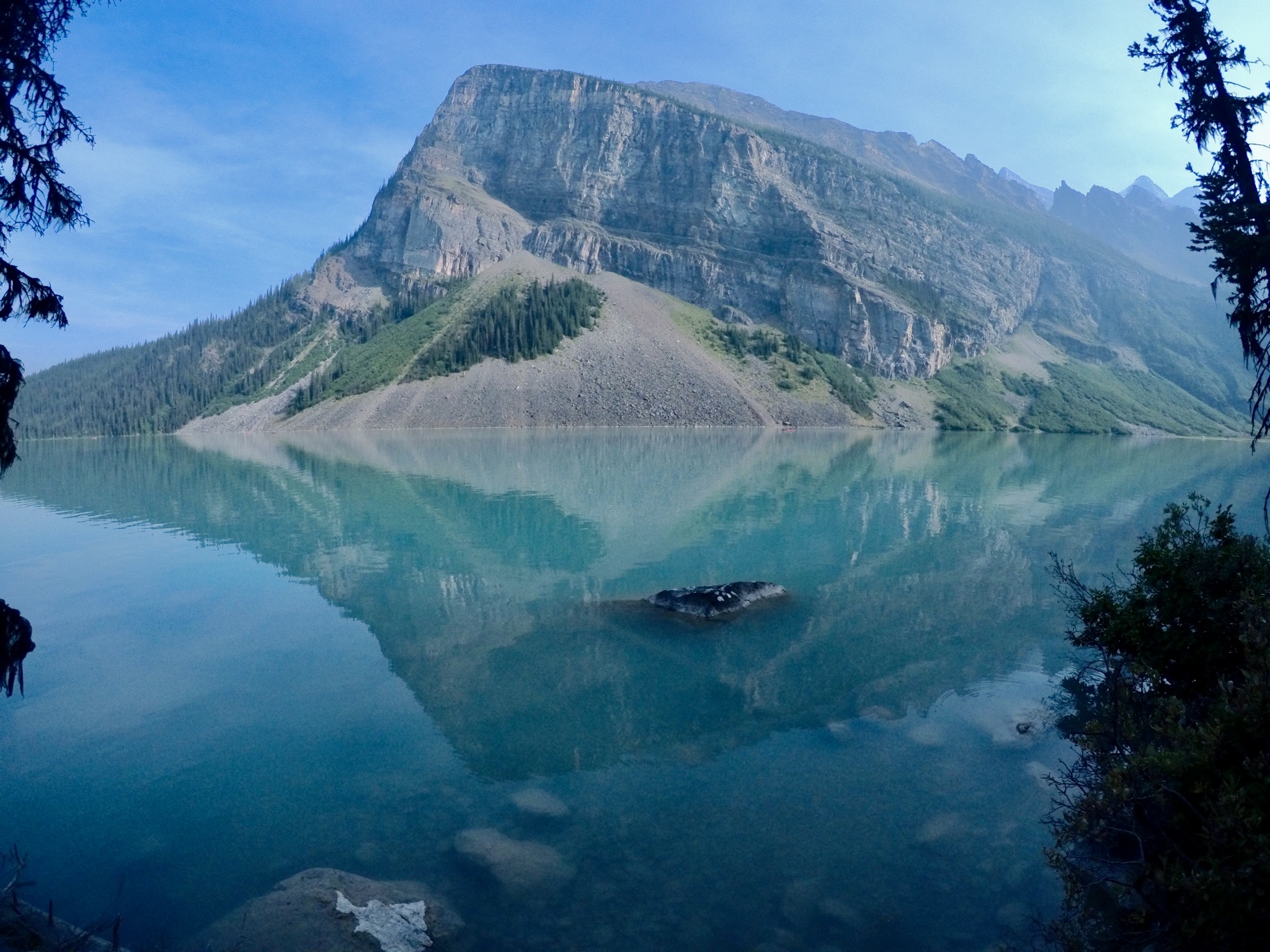
Lake Louise; Photo: Sophia Ramos-Climent
Make your way toward Lake Louise, one of the most iconic areas in the Canadian Rockies. As you leave the Kootenay region, the drive passes through Vermilion Crossing before reaching Marble Canyon, where an easy trail and series of bridges showcase rushing turquoise water cutting through narrow limestone walls. Continuing north, the scenery gradually shifts into glacier-fed lakes, dense forests, and towering alpine peaks as you approach the Lake Louise area.
Hiking options like Plain of Six Glaciers or Big Beehive provide panoramic views while still allowing flexibility based on weather and energy levels, while travelers looking for a slower-paced day can choose to canoe on the lake, explore shorter shoreline trails, or simply enjoy the scenery from nearby viewpoints. Moraine Lake is also worth adding to the day if shuttle reservations are secured in advance, as personal vehicles are no longer permitted on the road during peak season.
Because this area has become increasingly popular, arriving early and planning shuttle reservations to Lake Louise ahead of time is extremely important, especially during the summer months. Even with the crowds, the scenery here still delivers the kind of awe-inspiring moments that define this region of Canada.
For travelers wanting a more budget-friendly stay in the area, the HI Lake Louise Alpine Centre and similar accommodations offer a great base with easier access to both Lake Louise and the Icefields Parkway while still maintaining the mountain lodge atmosphere that makes this region so memorable.
Day 8: Driving the Icefields Parkway to Jasper
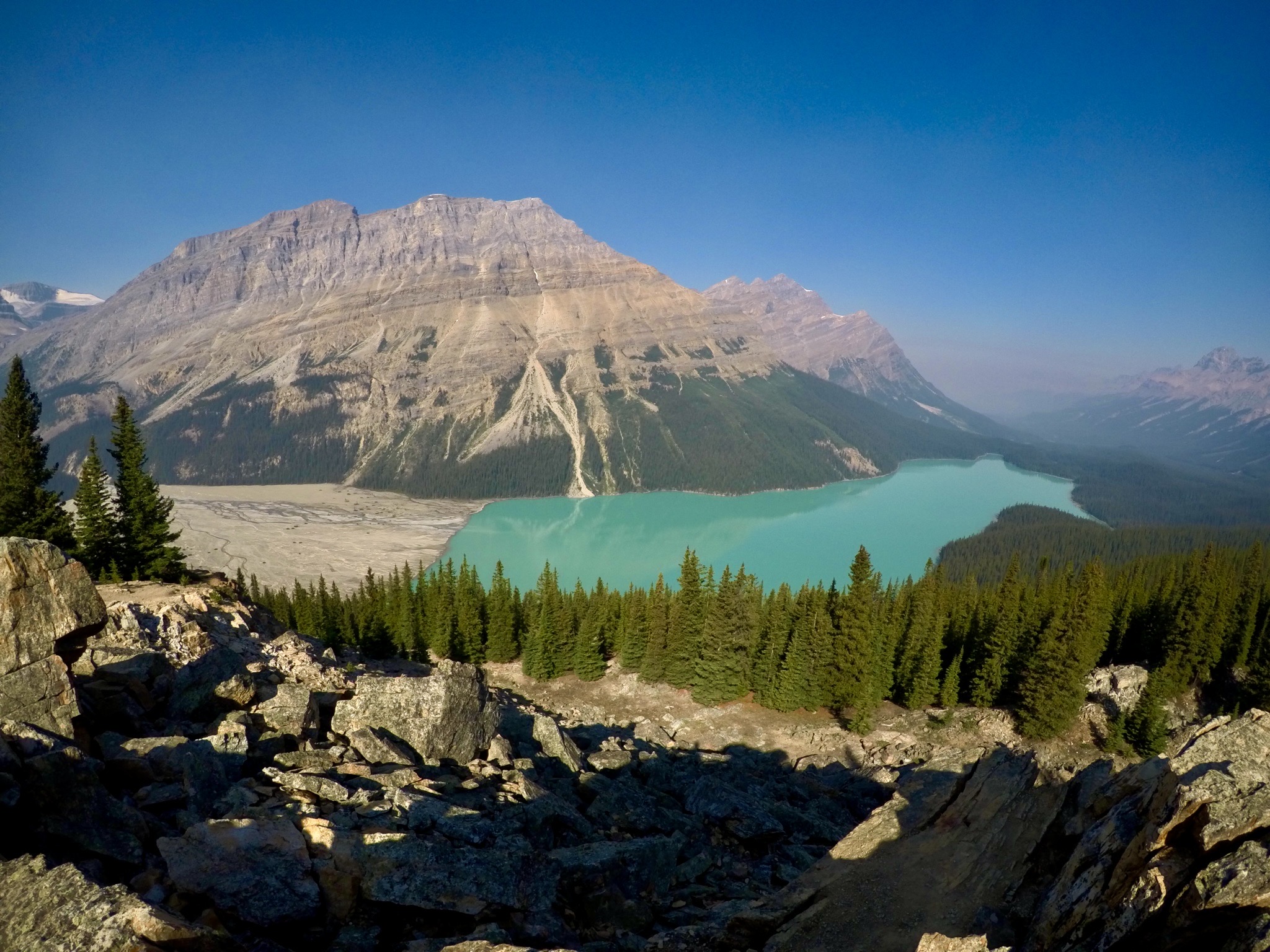
View of Peyto Lake; Photo: Sophia Ramos-Climent
Travel north along the Icefields Parkway, widely considered one of the most scenic drives in North America and a highlight of the itinerary itself rather than simply a transfer day. Starting early allows you to experience some of the route’s most iconic viewpoints, including Bow Lake and the Peyto Lake viewpoint trail, before peak crowds begin to build. The drive constantly shifts between glacier-fed lakes, waterfalls, rugged peaks, and expansive mountain valleys, making even the pull-offs along the road feel memorable.
Further north, the Columbia Icefield and Athabasca Glacier offer an opportunity to experience the scale of the glaciers up close, even without committing to a guided ice excursion. Short hikes and scenic stops at places like Parker Ridge and Athabasca Falls help break up the drive while showcasing how dramatically the landscape changes throughout the day.
Wildlife sightings are also common along this stretch of road, particularly during the early morning and evening hours, with chances to spot elk, mountain goats, bighorn sheep, bears, and even moose in quieter sections of the parkway.
Rather than trying to stop everywhere, focusing on a handful of intentional experiences creates a far more enjoyable pace and leaves room to slow down when a viewpoint or wildlife sighting unexpectedly captures your attention.
Day 9: Maligne Lake, Pyramid Island & exploring Jasper
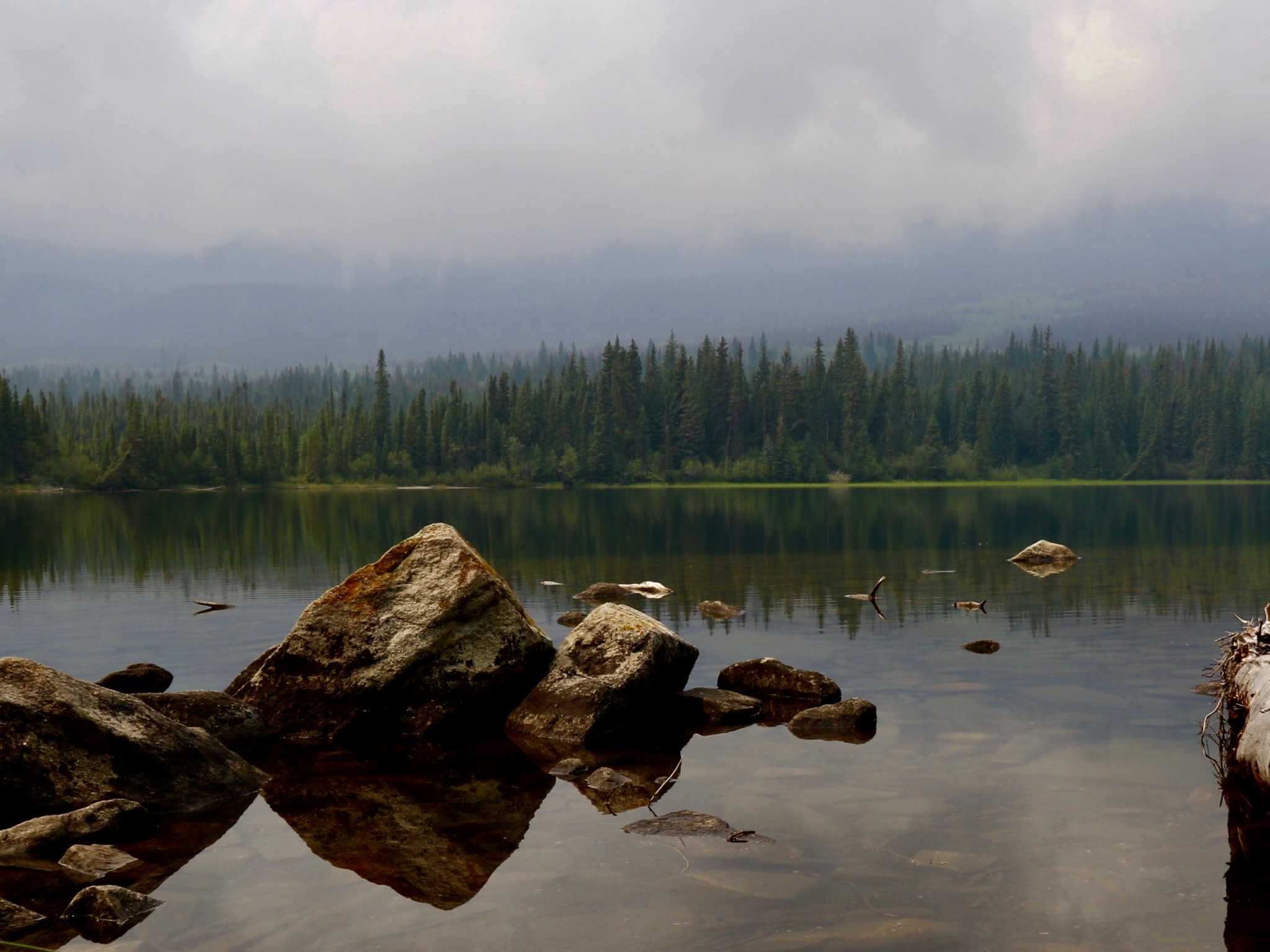
A smoky day at Pyramid Lake; Photo: Sophia Ramos-Climent
Spend the day exploring some of the most scenic areas surrounding Jasper National Park, balancing quieter lake scenery with opportunities for more active adventure. Start near Patricia and Pyramid Lakes, just outside the town of Jasper, where Pyramid Island offers an easy and scenic walk across the bridge and around the island itself.
This area works especially well for a slower morning, a picnic by the water, or simply taking in the mountain reflections and peaceful setting before continuing deeper into the park. The scenery here becomes particularly beautiful closer to sunset, when the surrounding peaks begin reflecting softer evening light across the lake.
For travelers wanting a more active day, the Maligne Lake region offers several excellent options depending on pace and energy level. The Bald Hills hike provides expansive alpine views above the lake, while others may prefer visiting Spirit Island by boat tour, kayaking along the shoreline, or combining shorter scenic stops throughout the area.
Maligne Canyon is also worth considering for those wanting a shorter but rewarding walk with dramatic canyon views and waterfalls. One of the strengths of Jasper is the flexibility to shape the day around either adventure or slower scenic experiences without sacrificing the overall experience of the park.
Day 10: A flexible day in Jasper
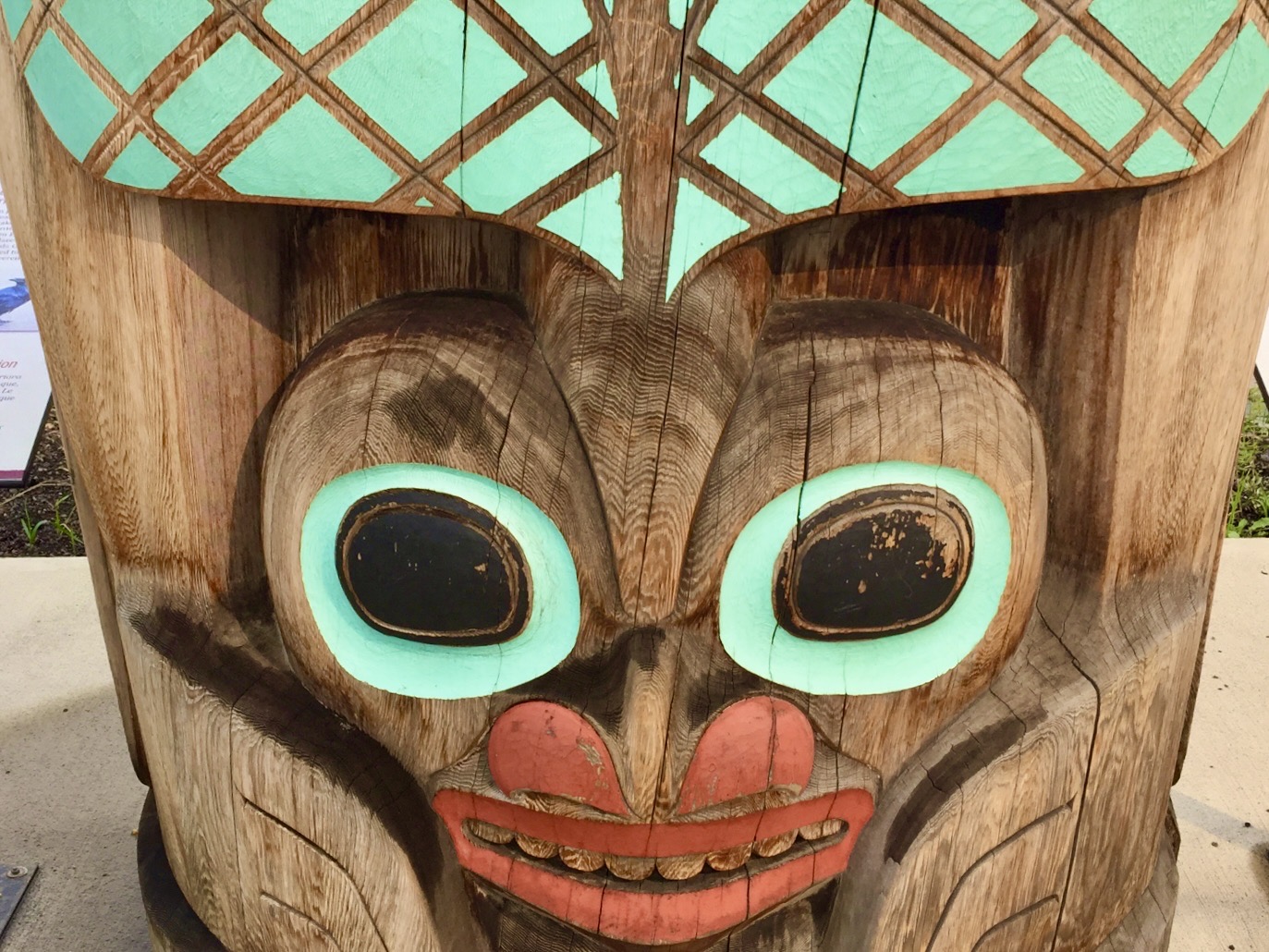
Two Brothers Totem Pole; Photo: Sophia Ramos-Climent
Use this day to experience the Jasper area at your own pace, leaving space for either additional adventure or a slower reset before the final portion of the trip. Travelers can ride the Jasper SkyTram for sweeping mountain views, go horseback riding through the surrounding wilderness, or spend time exploring the shops, cafés, and quieter corners of town.
This is also an ideal opportunity to fit in experiences that may not have aligned with previous days, including kayaking, horseback riding, wildlife drives along Highway 93A, or shorter scenic walks near the Athabasca River.
Having an open day here adds balance to the itinerary and creates flexibility around weather, trail conditions, or personal energy levels after several active days in the mountains. Some travelers may choose to return to areas like Maligne Lake or spend extra time photography hunting around sunrise and sunset, while others may simply enjoy a slower morning surrounded by the scenery. Allowing room for spontaneity in Jasper often leads to some of the most rewarding moments of the entire road trip.
Beyond the scenery, Jasper also carries a deep Indigenous history, with the region serving as traditional territory and travel routes for Indigenous nations including the Stoney Nakoda, Cree, Secwépemc, and Métis peoples long before the creation of the national park.
Day 11: Sulphur Skyline Trail & Miette Hot Springs
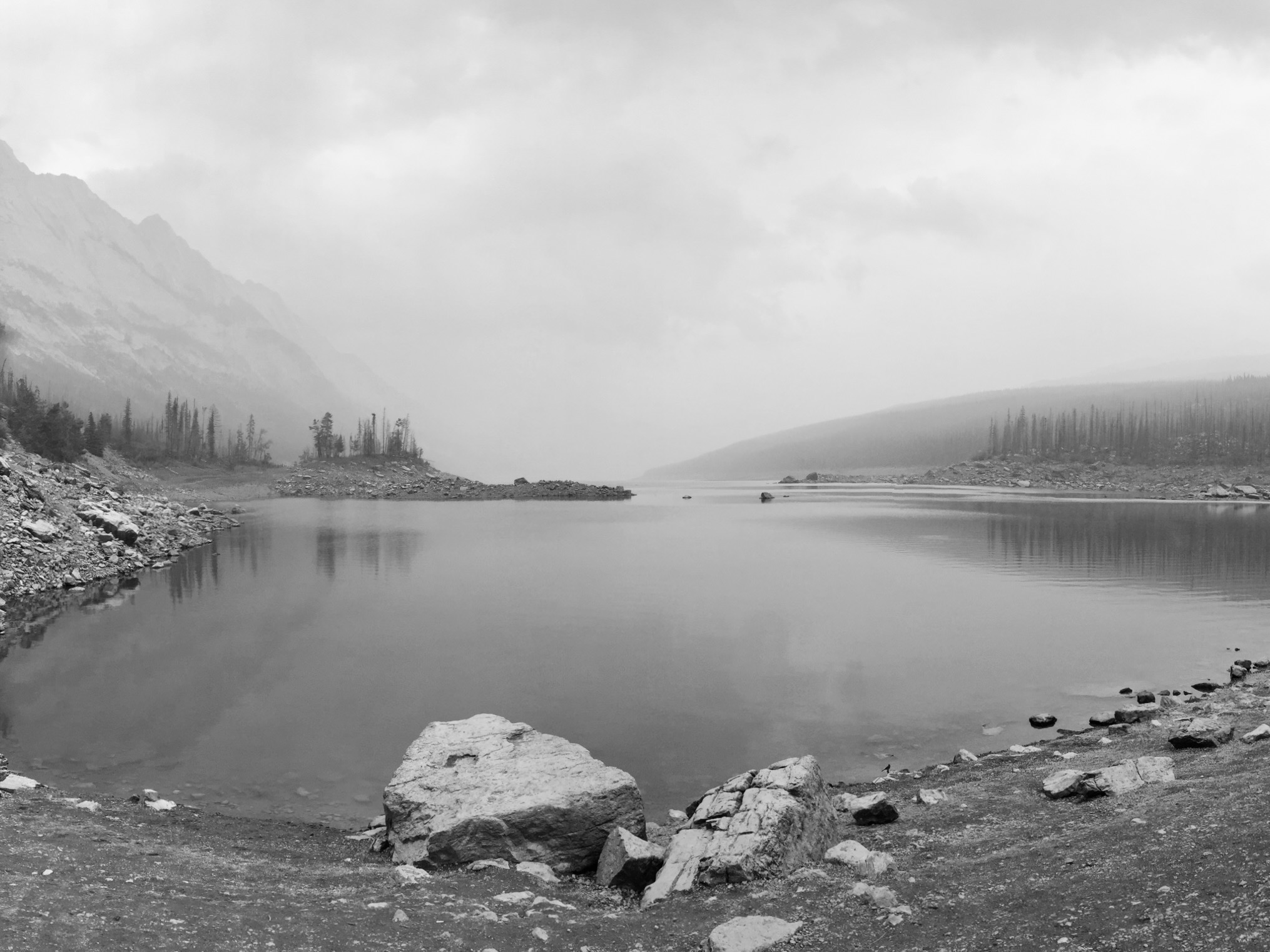
Photo: Sophia Ramos-Climent
Head toward Miette Hot Springs for one of the best combinations of hiking and relaxation in the Jasper area. The Sulphur Skyline Trail is a rewarding moderate climb with expansive mountain views, while the nearby hot springs provide the perfect slower finish to the day afterward.
Starting early helps avoid the busiest hours on the trail while also increasing your chances of spotting wildlife along the drive. Pairing a scenic hike with a quieter evening soak captures the balance of activity and recovery that makes this style of road trip feel so enjoyable.
Day 12: Returning south through the Icefields Parkway
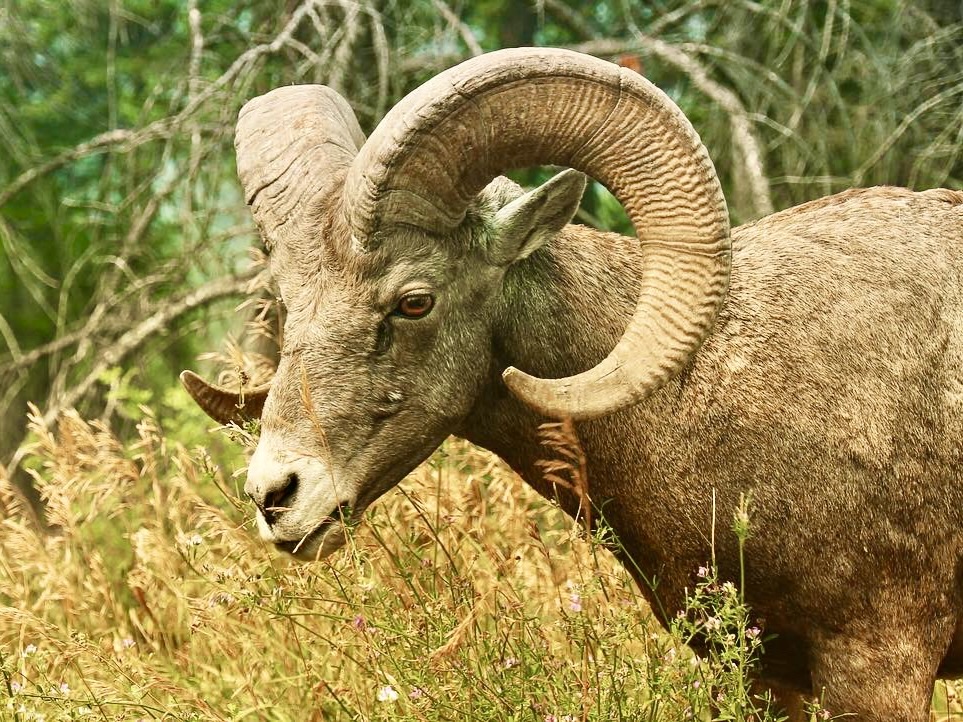
Wildlife sighting; Photo: Sophia Ramos-Climent
Begin the drive back south toward Banff, revisiting sections of the Icefields Parkway from an entirely different perspective. Stops like Sunwapta Falls, Mistaya Canyon, and Saskatchewan River Crossing and Herbert Lake work well as shorter scenic breaks while still keeping the overall day relaxed.
Revisiting the route in the opposite direction often reveals viewpoints and details that are easy to miss the first time through, especially with changing light and weather conditions throughout the day.
As you continue south, there is flexibility to stop again at favorite viewpoints or wildlife pull-offs along the parkway before arriving in the Banff area later in the afternoon. For travelers wanting a more outdoors-focused experience, Tunnel Mountain Village Campground I or II offers a great base close to town while still maintaining the feeling of being surrounded by the mountains.
Those preferring more traditional accommodations will also find plenty of hotel and lodge options nearby, making it easy to tailor the experience to different travel styles and budgets.
Day 13: Moraine Lake & exploring the Banff Area
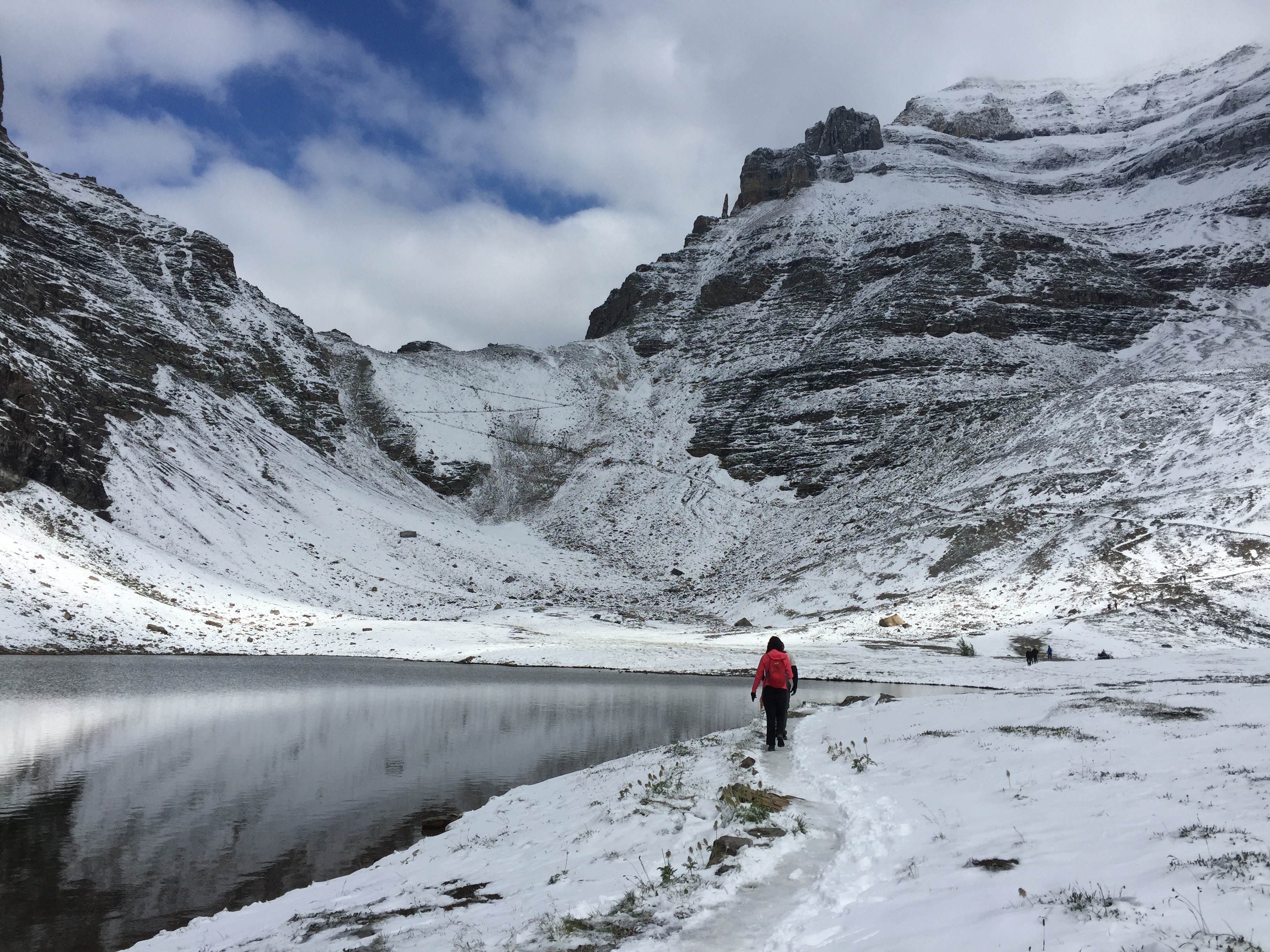
Sentinel Pass via Larch Valley; Photo: Sophia Ramos-Climent
Spend the day exploring the Banff area, balancing iconic scenery with opportunities for either adventure or a slower-paced experience depending on your travel style. Moraine Lake remains one of the most breathtaking locations in the Canadian Rockies, especially in the early morning when the lake is calmer and the surrounding peaks feel quieter before larger crowds arrive.
For travelers wanting a more active day, the Valley of the Ten Peaks hike via Larch Valley and Sentinel Pass offers unbelievable alpine scenery and some of the most rewarding views in the region.
Travelers looking for a less strenuous experience can still fully enjoy the area by exploring shorter shoreline trails, canoeing on the lake or simply taking in the scenery from the Rockpile viewpoint. Banff also offers additional adventure opportunities including via ferrata tours, Sunshine Meadows, biking, cave tours, and scenic drives throughout the surrounding mountains. Because Moraine Lake Road is closed to personal vehicles, shuttle reservations should be arranged well in advance during peak season.
Day 14: Home or extra time in Banff & Calgary
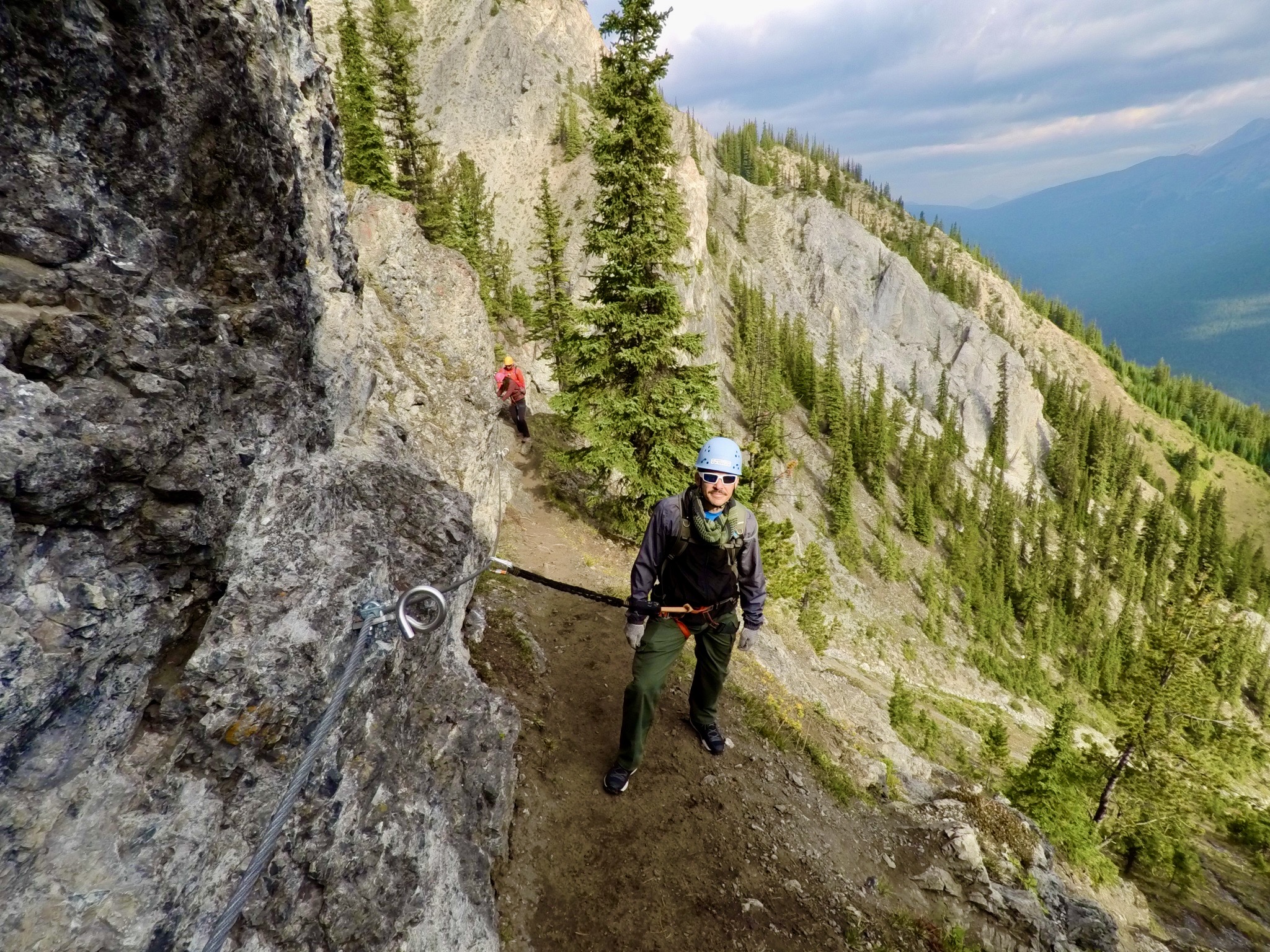
Via ferrata Banff; Photo: Sophia Ramos-Climent
If your schedule allows, I highly recommend adding a few extra days at the end of this itinerary for Banff and Calgary rather than heading directly home. On our trip, we chose to extend our time in Banff so we could dedicate a full day to Moraine Lake and the Valley of the Ten Peaks hike via Larch Valley and Sentinel Pass, which ended up being one of the most unforgettable experiences of the entire road trip. The alpine scenery along this trail is absolutely incredible, with dramatic mountain views and expansive landscapes that continue changing throughout the hike.
I also added an additional day to explore around Banff more freely, including scenic areas beyond town and some excellent food spots, which created a nice balance after several hiking-heavy days. On our final day in the mountains, we combined a via ferrata tour with a hike around Sunshine Meadows area, and it was truly out of this world—the combination of exposure, adventure, and panoramic views made it one of the most memorable experiences of the trip. For travelers who enjoy active outdoor experiences, this is an incredible way to experience the mountains from a completely different perspective.
After Banff, we spent an additional two to three days in Calgary before flying home. Calgary ended up being a surprisingly fun and relaxing way to finish the trip, with a great food scene and an impressive network of bike trails throughout the city. Renting bikes and exploring by trail offered a slower transition out of the mountains while still keeping the trip active, scenic, and experience-focused through the very end.
Need to know
Additional tips for exploring the Canadian Rockies
Reservations for accommodations inside or near the parks can fill surprisingly early during peak summer months—particularly in Banff, Lake Louise, and Jasper—so planning lodging well in advance can make a significant difference in both pricing and availability. Travelers considering campgrounds, cabins, or rental homes should also book early, especially for weekends and holidays.
Food and grocery options become more limited and expensive in some mountain towns and remote sections of the parks, making occasional supply stops helpful throughout the route. Travelers with dietary restrictions or those wanting healthier options may especially benefit from staying in accommodations with kitchen access for part of the trip.
Cell service can become limited or inconsistent along portions of the Icefields Parkway and in more remote sections of the parks, so downloading offline maps before driving is highly recommended. Fuel stations are also less frequent along longer driving stretches, making it a good habit to refill whenever possible before continuing deeper into the mountains.
I personally traveled through the region during an especially active wildfire season in mid- to late August, and while visibility occasionally shifted, it did not diminish the overall beauty or experience of the Canadian Rockies. Conditions in the mountains can change quickly throughout wildfire season, so checking visibility, trail conditions, and park updates before longer hiking days is always recommended.
Finally, one of the best ways to experience the Canadian Rockies is to leave room for spontaneity. Some of the most memorable moments happen unexpectedly—a quiet early morning at a lake, an unplanned roadside stop, or simply slowing down long enough to fully appreciate the scale of the surrounding landscape.


Travel Advisor
Sophultravels


Sophia Ramos-Climent
Get in touch with Sophultravels
Did you like this guide? Reach out to customize and book your own experience. Or, just to chat about travel in general.
For more inspiration and insider recommendations, visit our Canada page.