

Curator’s statement
The Atlantic coast of Colombia is a masterclass in contrast. It is where the Spanish stone of Cartagena meets the ancestral heartbeat of the Sierra Nevada and the rhythmic resistance of Barranquilla’s Carnival. I have designed this journey for those who want the “postcard” view but stay for the deeper story. Having navigated these coasts as both a diver and a hiker, I have found that the “soul” of the coast is not found on a sun lounger—it is found in the music, the mud, and the mountain air.
The Fora Difference
Book with Mary Matos to access exclusive perks and experiences on your trip.

Killer perks
Free upgrades, spa credits and more—we got you

Personalized recs
Customized travel planning for your style

Insider knowledge
Expert advice from people who’ve actually been there
Where to stay
Unlock perks by contacting Mary Matos to book your trip.
Days 1–2: The Walled City & Getsemaní
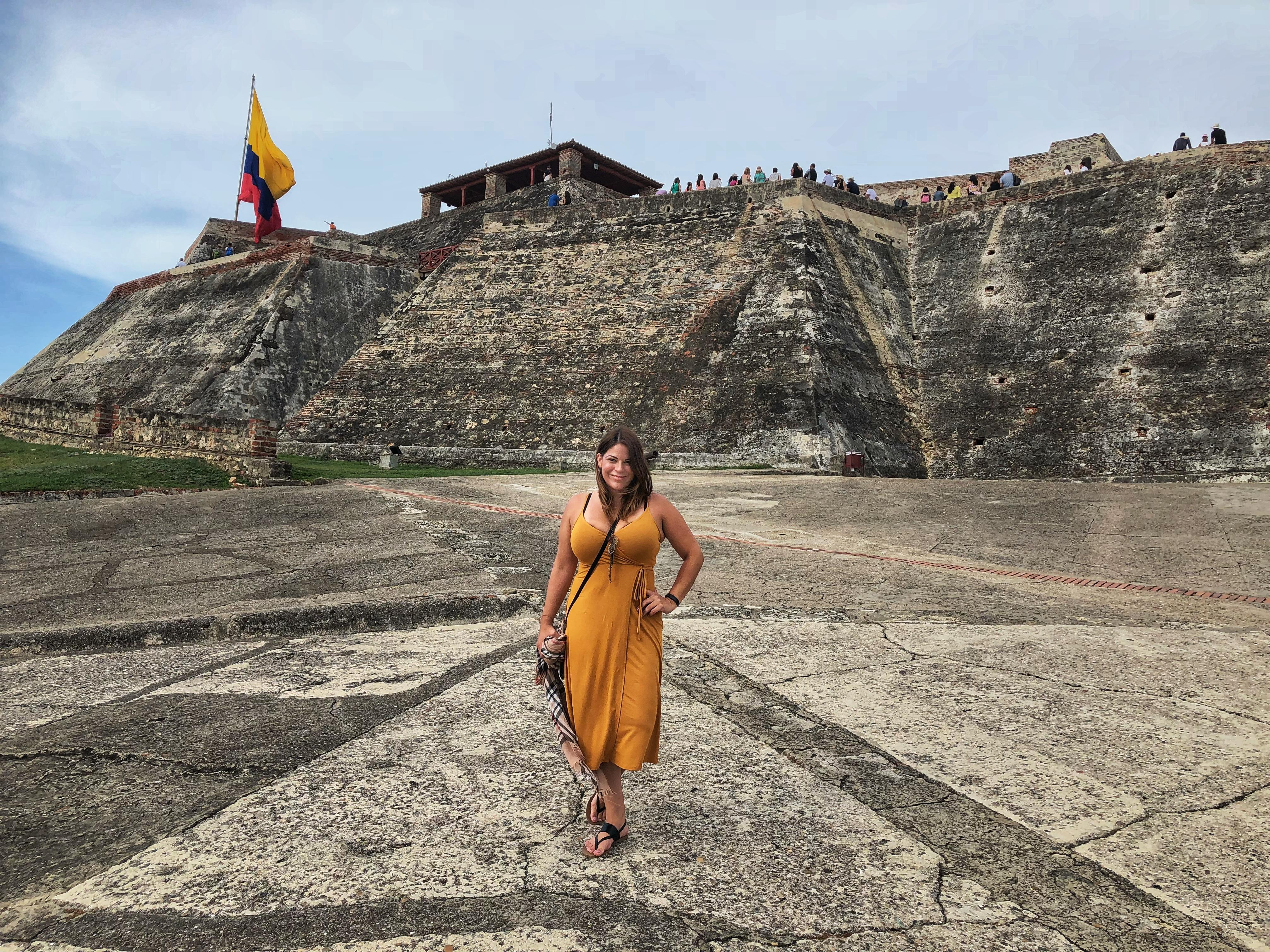
Finding the 'soul' of the coast within the stone. Standing before the Castillo de San Felipe, where centuries of history meet the Caribbean breeze. This is where the story of Cartagena truly begins.
Your journey begins in Cartagena. While the Walled City is beautiful, I start my mornings in Getsemaní, the cultural heart of the city—filled with vibrant murals of resistance and the smell of fresh arepa de huevo.
To truly understand the region’s identity, you must experience its Afro-Latino influence through a trip to San Basilio de Palenque, the first free slave town in the Americas. Spend your first 48 hours immersed in this history, wandering through the dark stone corridors of the Castillo de San Felipe for a profound sense of the city’s strategic past.
Cartagena’s culinary scene
Cartagena’s culinary scene is currently one of the most exciting in Latin America.
For a true “insider” experience, start your day with a specialty coffee at Época Espresso Bar.
For lunch, Café Lunático offers a creative twist on local ingredients, while Alma provides a stunning, romantic atmosphere inside a colonial courtyard.
Celele is a non-negotiable for foodies, using forgotten local fruits and flowers to create fine-dining art.
Other tips
For a unique sensory experience, take a day trip to Volcán del Totumo to float in medicinal mud.
For sunsets, crowds gather along the stone walls overlooking the ocean, where live music fills the air and everyone enjoys the day’s final “adiós.”
Day 3: The island escape
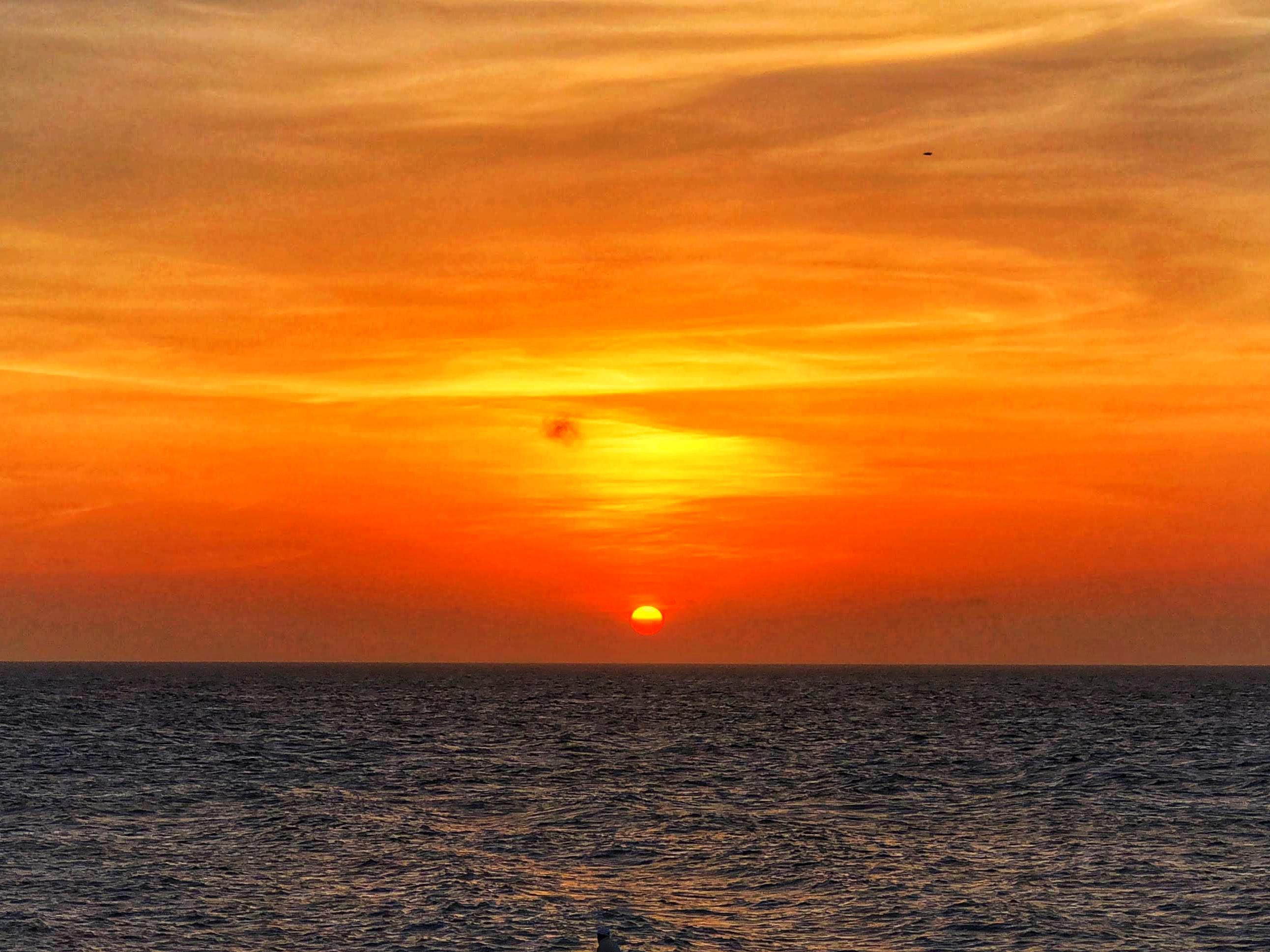
The final 'adiós' of the day. There is nothing quite like a Cartagena sunset from the stone walls—where the sea breeze, live music, and golden light all meet in perfect rhythm.
Rosario Islands
As a scuba diver, I skip the crowded city beaches for the Corales del Rosario y San Bernardo National Natural Park. This protected underwater reserve is one of Colombia’s most vital ecosystems, and diving here is a privileged look at thriving coral reefs and vibrant marine life.
Charter a private launch to explore Isla Grande, where the water transitions through every shade of blue. Staying overnight allows you to see the islands breathe after the day-trippers leave. Do not miss the midnight swim in the bioluminescent plankton—it is pure nature magic.
Evening in the Walled City
Upon returning to the Walled City, enjoy a peaceful dinner and watch the city come alive at night. You will find plenty of great bars with famous mixologists and live music. It is the perfect time for a stroll as the streets become truly lively.
Day 4: The oldest city & the sea
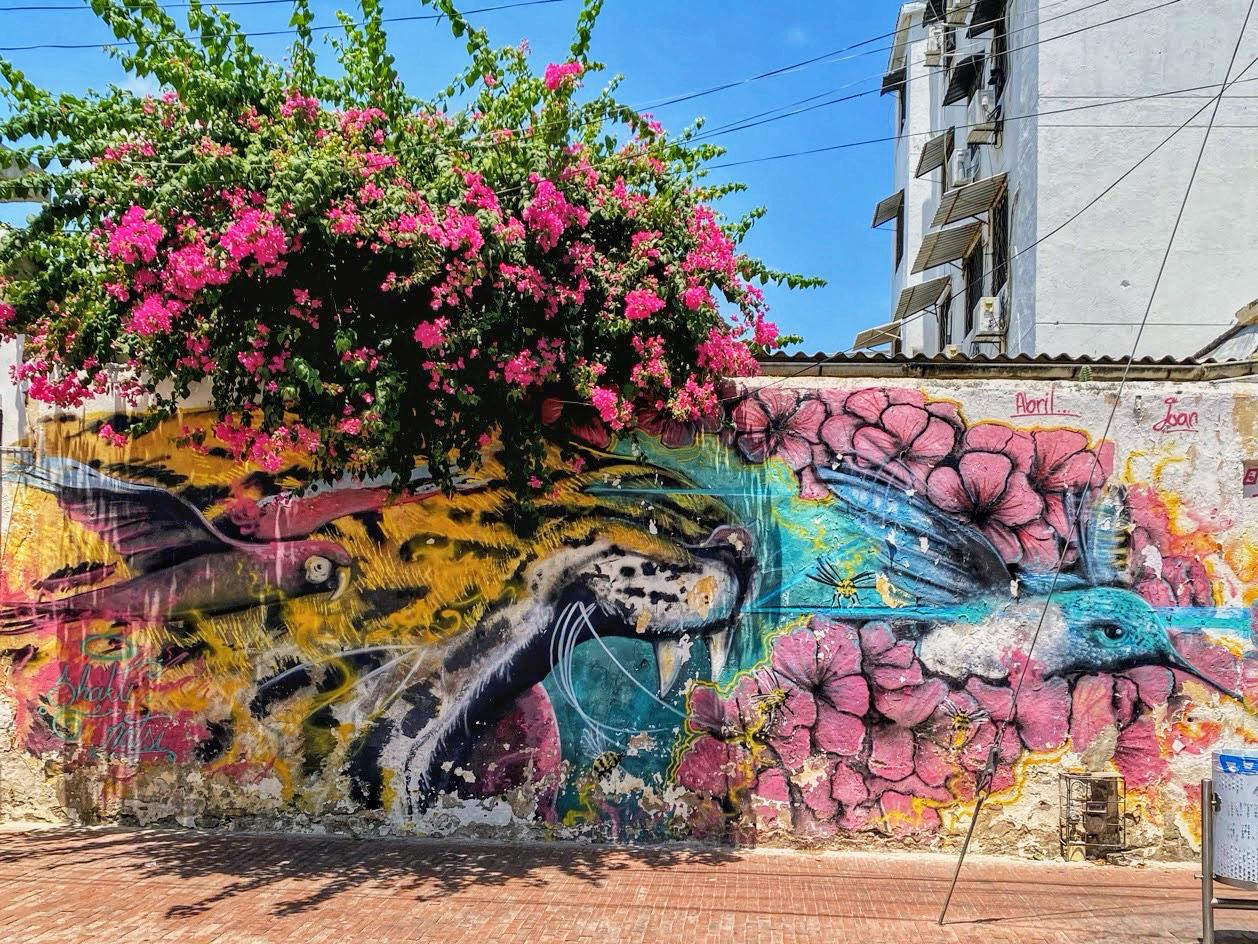
Santa Marta’s soul is painted on its walls. Beyond its history as Colombia’s oldest city, the street art in the Centro Histórico tells a vibrant story of maritime life and ancestral pride.
Santa Marta
On day four, you will travel northeast to Santa Marta, a journey of roughly four hours (136 miles) along a scenic coastal highway passing through Barranquilla. You can choose to hire a private car, take a shared shuttle, or even fly from Cartagena to Santa Marta.
Often used just as a gateway, the town itself deserves your time as the oldest surviving city in Colombia with a grittier, authentic maritime energy. Spend your afternoon wandering the Centro Histórico and visiting the Quinta de San Pedro Alejandrino, where Simón Bolívar spent his final days.
For a true taste of Santa Marta, head to Ouzo for Mediterranean-inspired coastal dishes or Basilea Gourmet for a more intimate, local experience. Don’t leave without trying Jugo de Lulo with orange—it’s a local favorite and the most refreshing way to beat the coastal heat.
Insider diving tip
Santa Marta is a hidden gem for scuba divers, especially with the local legends of pirate ships and privateers that once prowled these coves. I highly recommend taking a day to dive within the Tayrona Park reefs, where underwater rock formations are as dramatic as those on land do.
End your day with a sunset at the Bahía de Santa Marta or the fishing village of Taganga for a perfect transition from the urban to the wild.
Day 5: Sacred shores & recovery
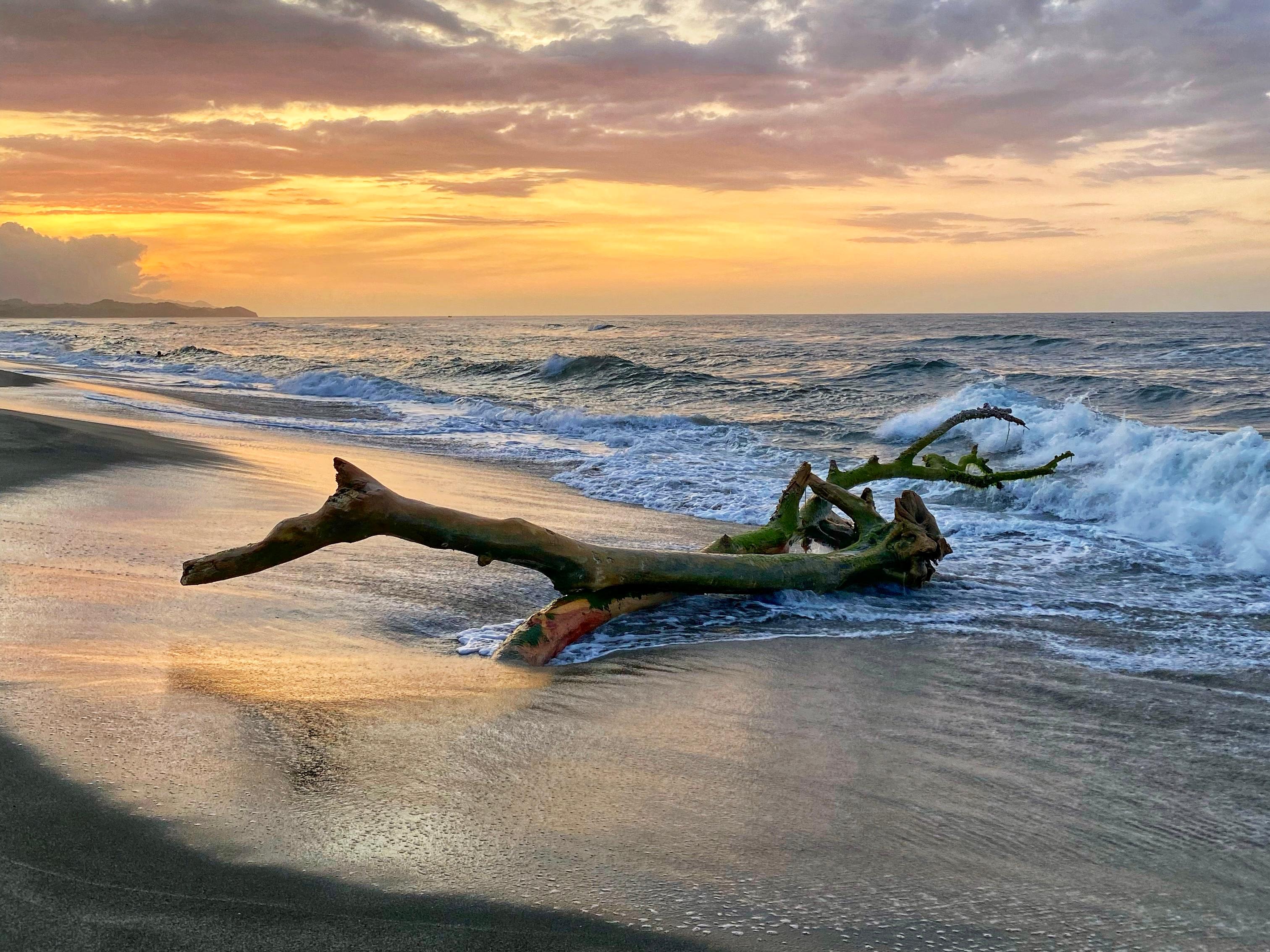
The ultimate reward after the rugged trails of Tayrona. Watching the sun dip below the Caribbean horizon from the shores of Los Naranjos—this is where the jungle’s intensity meets a deep, soulful recovery.
Tayrona
From downtown Santa Marta, it is a short 45-minute to 1-hour drive to the main entrances of Tayrona National Park. Staying two days allows you to truly disconnect and experience the park’s sacred energy.
I personally love the challenge of the Playa Brava trail via the Calabazo entrance—a steep, rugged trek that rewards you with total immersion in the cloud forest.
If you prefer a moderate pace, the path through El Zaino to Cabo San Juan offers those iconic views of giant boulders meeting the sea.
Afterward, retreat to the Los Naranjos area for a recovery in luxury at a property like Cayena Beach Villa or Senda Casa Finca, where the river meets the ocean in total tranquility.
Day 6: Healing in the Sierra Nevada
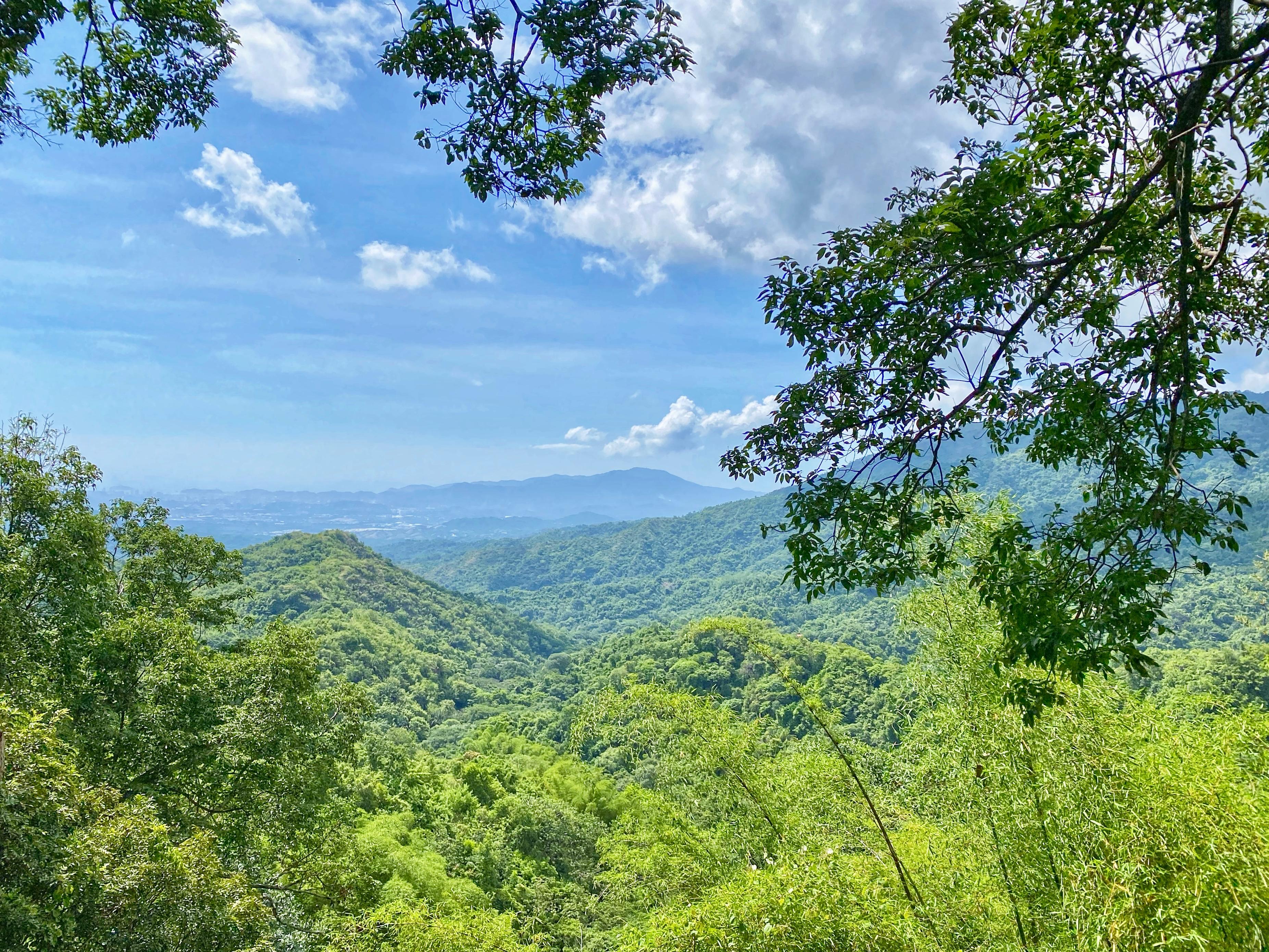
A window to the world below. From the cool heights of Minca, the jungle canopy frames a distant view of Santa Marta and the Caribbean Sea. It’s the ultimate place to find perspective and breathe in the restorative mountain air before the journey home.
Minca
On your final day, take a 1-hour drive from the Tayrona area upward into the mountains to reach the village of Minca. This was a true healing place for me, offering a mix of coffee farmers and travelers seeking a slower pace. The air here is restorative and noticeably cooler than the coast.
Before heading to the falls, you must stop at La Miga Panadería, the legendary French bakery in town—their sourdough and chocolate bread are the best fuel for an adventure.
The road to the Marinka Waterfalls is steep and unpaved, so do not attempt it in a standard rental car. I hired a local moto-taxi—gripping the back of a bike as it climbs the mountain is a true rite of passage.
For those with extra stamina, Minca also serves as the jumping-off point for the multi-day trek to the Lost City (Teyuna).

A note from Mary
Stay at unique properties like Selva Minca or Hotel Casa de Hadas, where you will be one with nature in tranquility.
Day 7: Festivals & island escapes
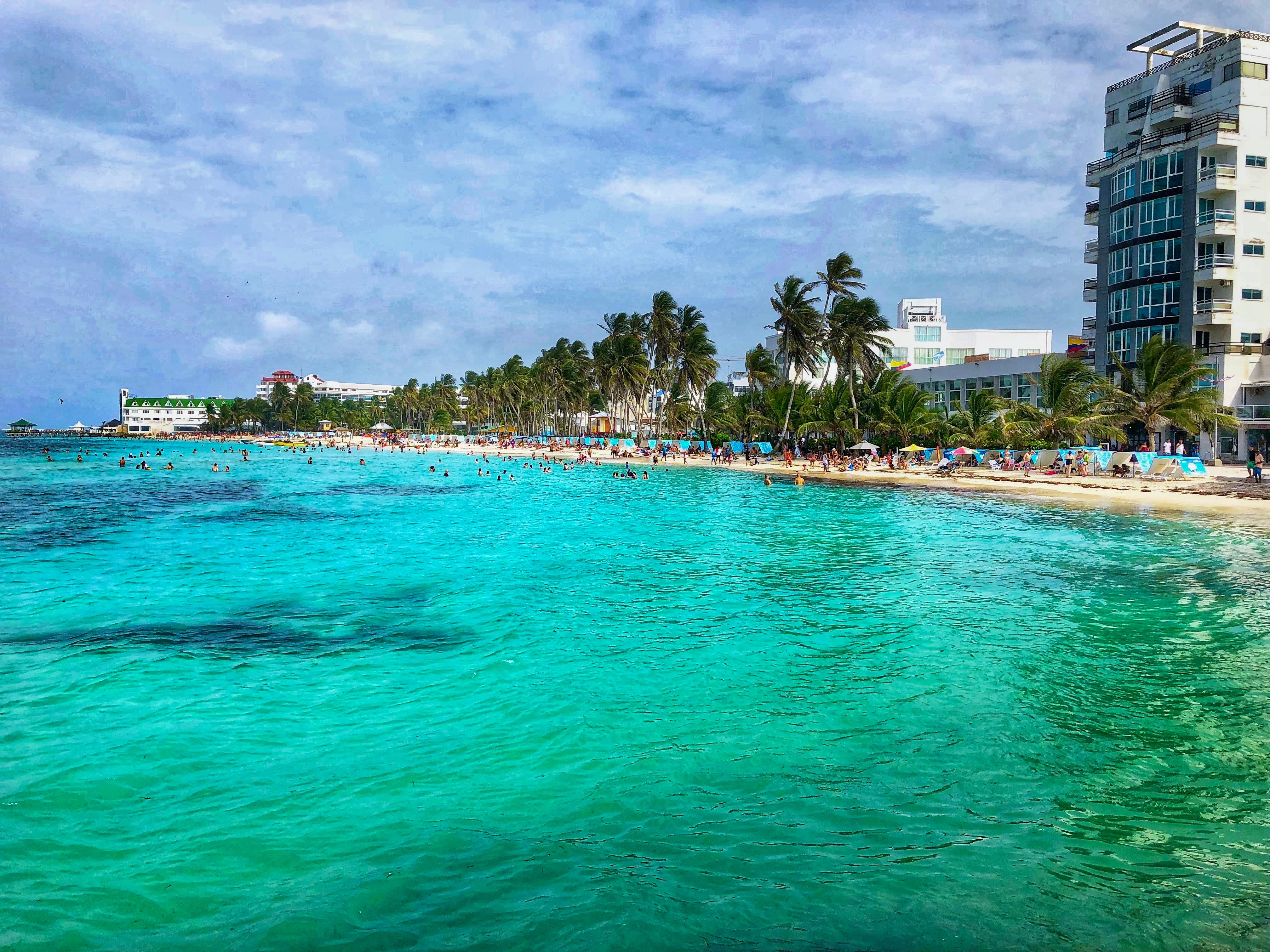
They call it the 'Sea of Seven Colors' for a reason. Watching the water shift from pale turquoise to deep sapphire in San Andrés is a masterclass in nature’s palette. A true diver's paradise.
If you have additional dates and want to explore other places in the region, I recommend the below.
Barranquilla: The seasonal pulse
If your timing is right (February), head West for Carnival. The Batalla de Flores is an explosion of history and dance. It is highly recommended for a true Carnaval experience! Just keep in mind that this requires extra planning, as hotels and venues fill up very quickly.
San Andrés: The Sea of Seven Colors
For more beach time, a short flight to San Andrés offers turquoise waters and vibrant coral reefs—a fantastic spot for more diving. Johnny Cay Island is a paradise! I truly enjoyed it; just note that there is a high entry fee for the island. If you are planning to stay here for a few days, it is absolutely worth it.
Need to know
The power of politeness: Leading with a smile and a sincere “Buenos días, ¿cómo está?” will open doors. Always say “Muchas gracias.” You will hear “A la orden” constantly—it is the heartbeat of our hospitality.
Logistics and cash: Traffic can be heavy, especially between cities. Carry Colombian Pesos (COP). Smaller kiosks and moto-taxis in Minca or near Tayrona do not accept cards.
Reservations: For high-end dining like Celele and Alma, book at least 2–3 weeks in advance.
Vegan travelers: Look for patacones, coconut rice, and avocado salads. Specify “sin mantequilla” (no butter) or “sin leche” (no milk). Minca is a vegan paradise, while Tayrona is more limited. Pack plant-based protein bars before entering.
A note on pace
While many travelers prefer the comfort of big cities for their first trip to Colombia, I personally seek out something different—the movement between urban energy and the wild unknown.
This itinerary is intentionally packed with “everything of everything” in the region, providing you with a full menu of possibilities. I invite you to pick and choose the segments that resonate with you—you can follow the entire rhythm or slow it down to match your own.


Travel Advisor
Mary Matos

Mary Matos

Get in touch with Mary Matos
Did you like this guide? Reach out to customize and book your own experience. Or, just to chat about travel in general.
For more inspiration and insider recommendations, visit our Colombia page.