


Curator’s statement
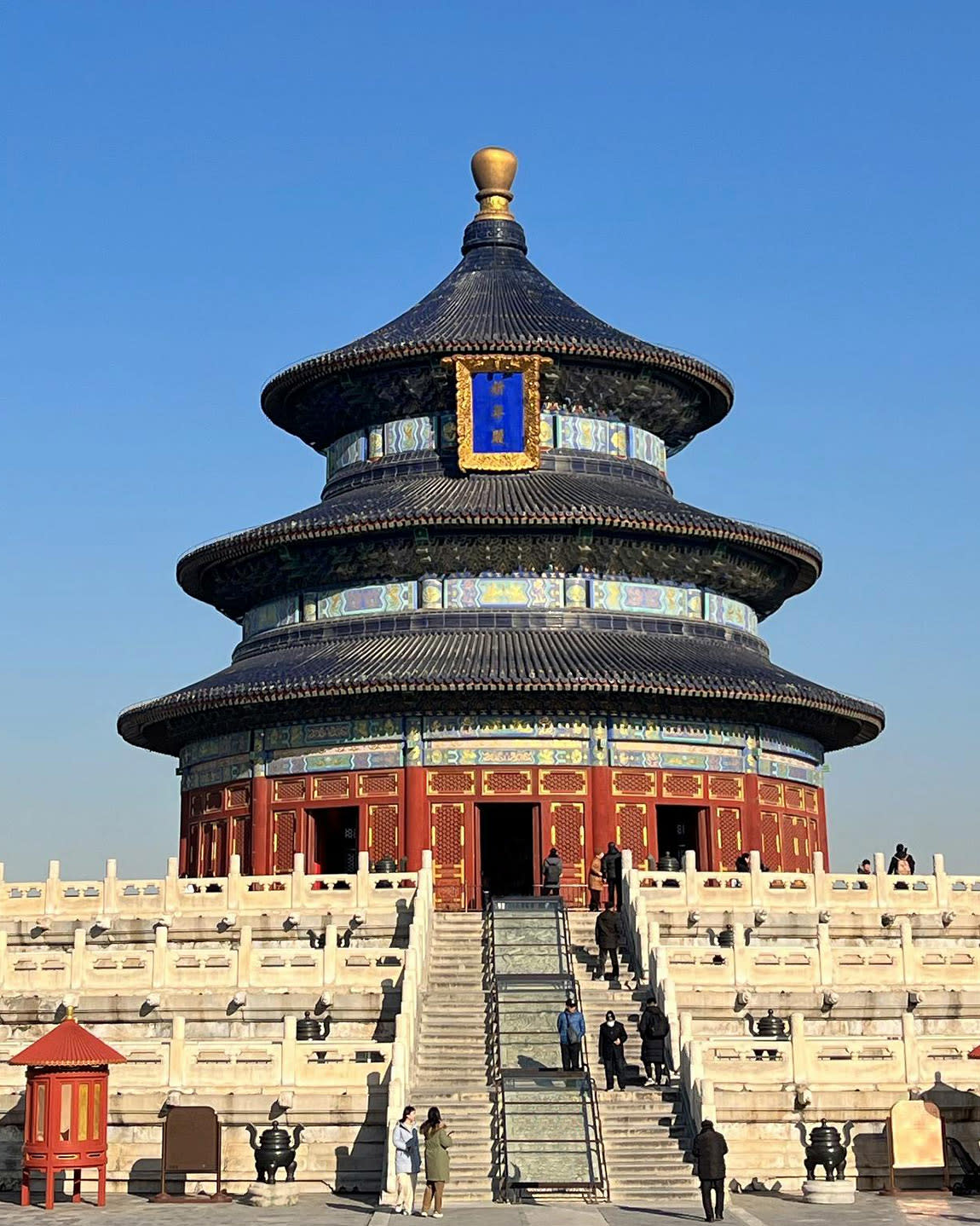
Beijing is special to me because I lived there for nine years—it became a second home and gave me a deep, personal connection to the city. In my opinion, Beijing is the true heart of China: the perfect blend of ancient history and unstoppable modern energy, where the old and the new coexist in the most fascinating way. The Temple of Heaven is simply amazing—peaceful, grand, and full of symbolism—and the hutongs offer that rare, authentic feeling of old Beijing life, with their narrow lanes, courtyard homes, and local rhythm. Even after all those years, every visit still feels like rediscovering something new, and the food, culture, and sheer scale of the place keep pulling me back.
The Fora Difference
Book with Dean Hawkes to access exclusive perks and experiences on your trip.

Killer perks
Free upgrades, spa credits and more—we got you

Personalized recs
Customized travel planning for your style

Insider knowledge
Expert advice from people who’ve actually been there
Where to stay in Beijing
Unlock perks by contacting Dean Hawkes to book your trip.
Things to do in Beijing

The Great Wall
Wander the traditional hutongs
Get lost in the narrow lanes of the old hutongs (like Nanluoguxiang or the quieter ones around Houhai). You’ll pass crumbling courtyard houses, tiny shops, and locals going about their day. It’s the most authentic way to feel old Beijing before it changes even more.
Visit the Forbidden City early in the morning
Arrive right when it opens to beat the crowds and walk through the vast red palaces and golden roofs in near silence. It’s overwhelming in the best way—centuries of imperial history right in front of you.
Hike a less-crowded section of the Great Wall
Skip the tourist-packed Badaling and go to Mutianyu or Jiankou instead—the views are breathtaking, the wall feels wilder, and you can really sense the scale of this ancient wonder.
Explore the Temple of Heaven
This beautiful complex of blue-tiled roofs and wide courtyards is peaceful and grand at the same time. Locals practice tai chi and sing in the parks early in the morning—it’s a lovely glimpse of everyday Beijing life.
Stroll around Houhai Lake
Walk the willow-lined paths around Houhai Lake at sunset or rent a pedal boat—it’s relaxed, pretty, and full of little bars and cafés. Perfect for a low-key evening after a big day of sightseeing.
Shop and snack at Wangfujing Street
This busy pedestrian street is great for people-watching, quirky souvenirs, and trying bizarre street snacks (scorpions optional!). It’s loud, chaotic, and very Beijing.
See the Summer Palace
This huge garden-and-lake retreat feels like stepping into a painting. Walk the Long Corridor, cross the bridges, and enjoy the calm water views. It’s a beautiful escape from the city hustle.
Get a traditional Chinese massage
After a full day of walking and sightseeing, book a traditional Chinese massage (tuina or foot massage) at a local parlor—it’s incredibly relaxing, relieves tired muscles and sore feet, and costs very little. A perfect way to recharge and feel pampered in true Beijing style.
Places to eat & drink in Beijing
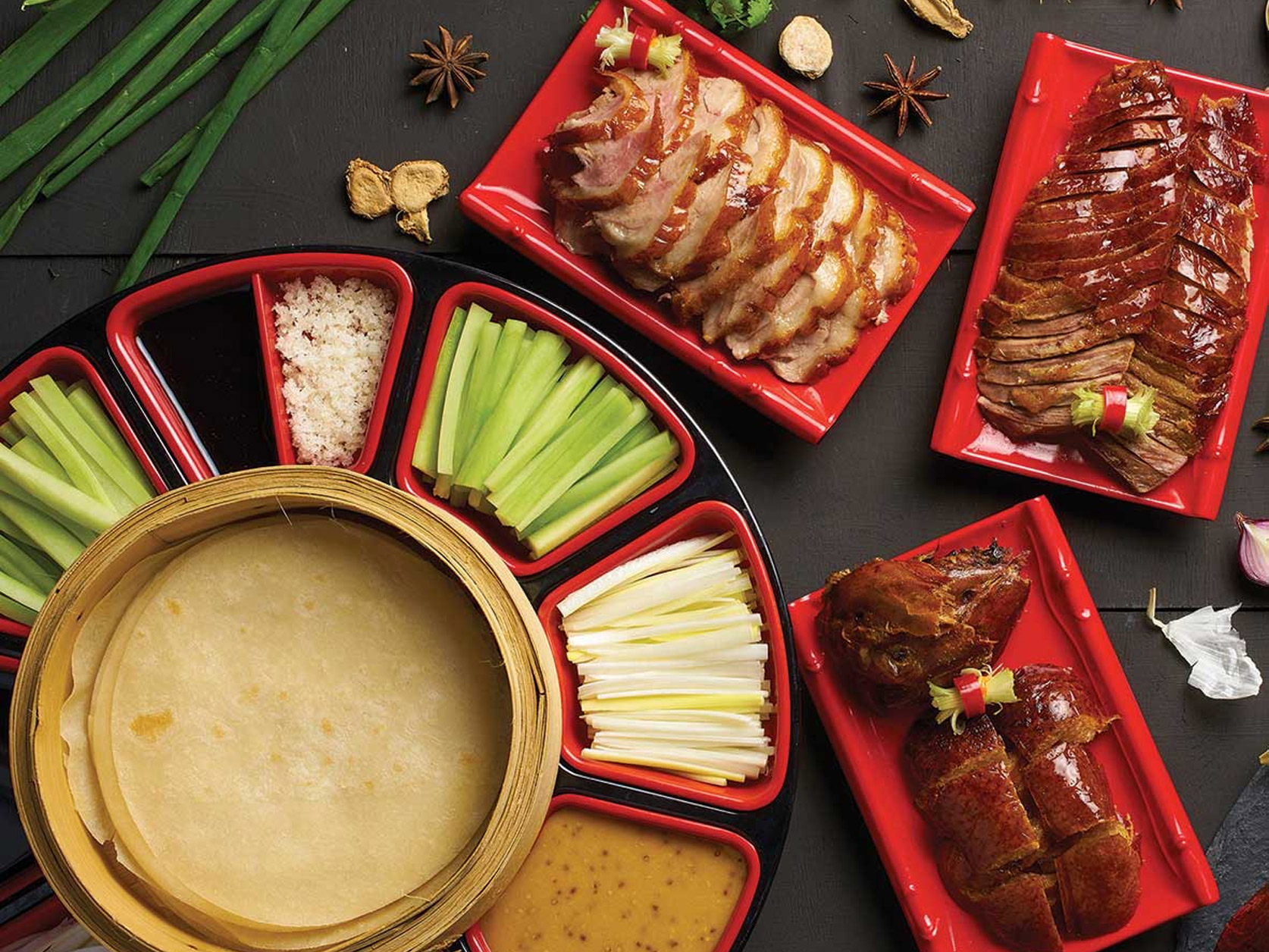
Peking duck
Da Dong Roast Duck: One of the most famous places for Peking duck—crispy skin, perfectly carved tableside, and served with all the classic accompaniments. It’s a splurge, but the quality is worth it every time.
Jianbing stalls on the street: Grab a freshly made jianbing (savory crepe) from a street cart—egg, crispy cracker, scallions, and chili sauce rolled up in seconds. Cheap, fast, and one of the best breakfasts in the city. My go-to every morning, classic Beijing-style breaky!
Yaoji Chaogan: A tiny, legendary spot famous for its chaogan (pig liver and intestine stew) and other classic Beijing breakfast dishes. Super local, no-frills, and packed every morning—pure old-school Beijing flavor.
Hai Di Lao Hotpot: This is the ultimate traditional Beijing hotpot experience—endless broth options, fresh ingredients, and fun dipping sauces at your table. The service is legendary (free manicures, fruit plates, and song-and-dance shows), and it’s the perfect warm, social meal after a cold day of sightseeing.
Little Yunnan (Xiao Yunnan): A cozy restaurant serving Yunnan cuisine—fresh herbs, spicy mushrooms, rice noodles, and grilled fish. It’s a refreshing change from heavier Beijing dishes and always feels like a discovery.
Mao Mao Chong: A lively craft beer bar in the hutongs with a huge selection of local and international brews. Great place to relax after a long day, with a fun, young crowd and bar snacks.
Baoyuan Dumpling Restaurant: Famous for their colorful crystal dumplings—the wrappers are almost transparent, filled with everything from pork to vegetables. Fun to look at, delicious to eat, and very photogenic.
Halal restaurants in Niujie: Head to the Muslim quarter (Niujie) for incredible halal beef noodles, lamb skewers, and hand-pulled noodles. The flavors are bold and the area feels like a different side of Beijing.
Need to know
Here are the key tips I always share with clients heading to Beijing—small details that make the trip smoother and more enjoyable.
Best time to visit: Spring (April–May) and autumn (September–October) are ideal—comfortable weather and beautiful foliage. Avoid summer (hot and humid) and winter (freezing and dry, unless you like it like that!)
Getting around: Download the Didi app (China’s Uber) before you arrive—it’s cheap, reliable, and English-friendly. The subway is excellent, fast, and very cheap, but can be crowded. Taxis are fine, but I would absolutely recommend Didi.
Cash & payment: Many places are cashless now—I personally think it's very important to download WeChat Pay or Alipay and link a card before you arrive in Beijing. Carry some RMB for street food and markets, but most big restaurants and shops use mobile payments.
Language: English is limited outside tourist areas—download a translation app (Google Translate or Pleco) and learn basic Mandarin phrases. Pointing at photos or using the app works surprisingly well.
Air quality & pollution: Check the AQI before outdoor plans—it can be high. Masks are still common on bad days, and many locals wear them.
Visa & entry: Make sure you have the correct visa (most nationalities need one in advance). Some countries now qualify for visa-free transit (check current rules).
Beijing can feel overwhelming at first, but slow down, embrace the chaos, and you’ll fall in love with it. If you’re planning a trip, I’d love to help make it unforgettable!


Travel Advisor
Dean Hawkes

Dean Hawkes

Get in touch with Dean Hawkes
Did you like this guide? Reach out to customize and book your own experience. Or, just to chat about travel in general.
For more inspiration and insider recommendations, visit our China page.