




Curator’s statement
Seoul is the city that changes people. It's got this edge that Tokyo doesn't have, this mix of perfectionism and raw soul that comes from everything it's survived and rebuilt. The food, the skincare, the fashion, the history—it all feels real and earned, not just polished for tourists. Whether you're healing from something or just looking for a place that actually delivers, Seoul pulls you back because it's genuine in a way most destinations aren't.
The Fora Difference
Book with Tatiane Souza Taggar to access exclusive perks and experiences on your trip.

Killer perks
Free upgrades, spa credits and more—we got you

Personalized recs
Customized travel planning for your style

Insider knowledge
Expert advice from people who’ve actually been there
Where to stay in Seoul
Unlock perks by contacting Tatiane Souza Taggar to book your trip.
Things to do in Seoul
Bar Cham: Amazing drinks
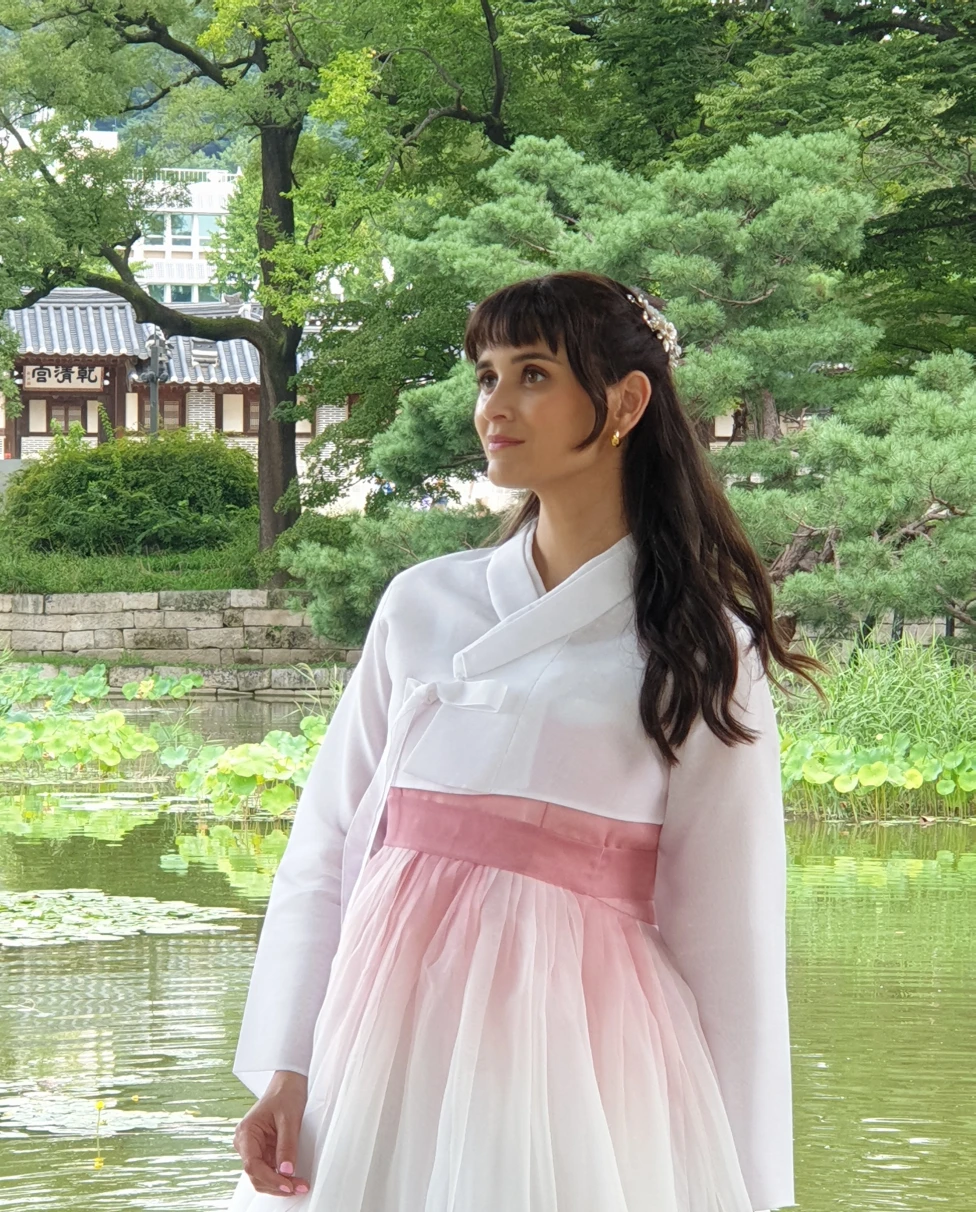
Hanbok photoshoot at Gyeongbokgung Palace
I hired a private photographer, booked a mobile makeup artist to come to my hotel room the morning of the shoot, and walked into a 600-year-old royal palace wearing hanbok. The same grounds where Goblin and Mr. Sunshine were filmed. I went on a weekday morning when barely anyone was there, and the photographer knew every angle, every quiet corner, every spot where the light hit the stone walls just right. Having the makeup artist come to me meant I was camera-ready before I even left the lobby—no rushing across town, no sweating off my look on the subway. I ugly-cried looking at the photos later. Get the premium hanbok—the difference is worth every won.
Jenny House: The K-beauty hair & makeup experience
I went to Jenny House on a separate day just to experience what Korean celebrity styling actually feels like—and it's a whole different level. This is where K-drama actresses and K-pop idols actually get their hair done. The blowout alone made me look like a completely different person. I walked out feeling like I should be stepping out of a black van at Incheon Airport with paparazzi waiting. It's worth booking even if you don't have a photoshoot planned—do it before a nice dinner or a night out and you'll feel invincible. The stylists don't speak much English, but they don't need to—they just look at your face and know what to do.
Seongsu-dong: Where I'd actually live if I moved to Seoul
Every travel guide tells you Gangnam, Myeongdong, Hongdae. Seongsu is the one they're sleeping on. Converted shoe factories turned into the most photogenic cafés you've ever seen, Seoul Forest where you can hand-feed deer in the middle of the city, and Common Ground—a mall made entirely of shipping containers. Café Onion, in a crumbling industrial building, serves better pastries than most Parisian bakeries. This is the neighborhood where actual cool Koreans hang out, and it felt more like Brooklyn or Shoreditch than anything I expected from Seoul.
Gentle Monster flagship: Shopping as performance art
I went in for sunglasses and stayed for an hour because the store feels like an art museum that happens to sell eyewear. Every floor has a different surreal installation—robotic creatures, immersive light rooms, and displays I still cannot fully explain. The frames are stunning, and it is such a fun place to browse if you love cool, fashion-forward sunglasses. Seoul is also a fantastic place to have glasses made, buy contact lenses, and shop for unique eyewear. Next door to Gentle Monster, their sister brand Tamburins sells hand creams and perfumes in packaging so sculptural I almost wanted them as decor.
Ihwa Mural Village into Namsan Tower at sunset
This combo is underrated. Ihwa is a hillside neighborhood where every staircase, wall, and alleyway has been turned into street art—the kind of place where you turn a corner and find painted angel wings with all of Seoul spread out behind you. It's a workout getting up the hill but the views are the sweeping cityscape shots you see at the end of every dramatic K-drama episode. Then head to Namsan Tower for sunset—the cable car ride up is half the fun, the love lock fence is cheesy in the best way, and watching the city light up from the observation deck while remembering this is the exact spot from My Love from the Star and Boys Over Flowers makes you feel things. Even if you're not a K-drama person, the sunset alone is worth it.
Yonsei University campus: My sleeper pick
This is the one nobody puts on their Seoul list. Yonsei's campus is where Goblin, True Beauty, Cheese in the Trap, and Law School were all filmed, and the Gothic stone buildings and tree-lined paths make it feel like you've wandered onto an active set where the next episode is about to start filming. It's right next to Hongdae, so after your campus walk, you're steps away from the best street food, character cafés, and vinyl shops in the city. The whole Sinchon-Hongdae corridor has this youthful, romantic energy that makes you want to put in earbuds and soundtrack your own life. Seoul does that to you.
Places to eat & drink in Seoul
Base is Nice
Jungsik
Two Michelin stars and the restaurant that literally invented "New Korean" cuisine. Chef Yim Jung-sik takes dishes you think you know—bibimbap, gimbap—and turns them into something you've never seen before, with spherification, foams, and presentations that made me put my fork down just to stare. I pre-ordered the pescatarian menu and they didn't miss a beat—every course was thoughtful, not a single "oh we just removed the meat" compromise. The wine pairing somehow made Korean flavors and French grapes make sense together. This is the dinner you book your Seoul trip around.
Bar Cham
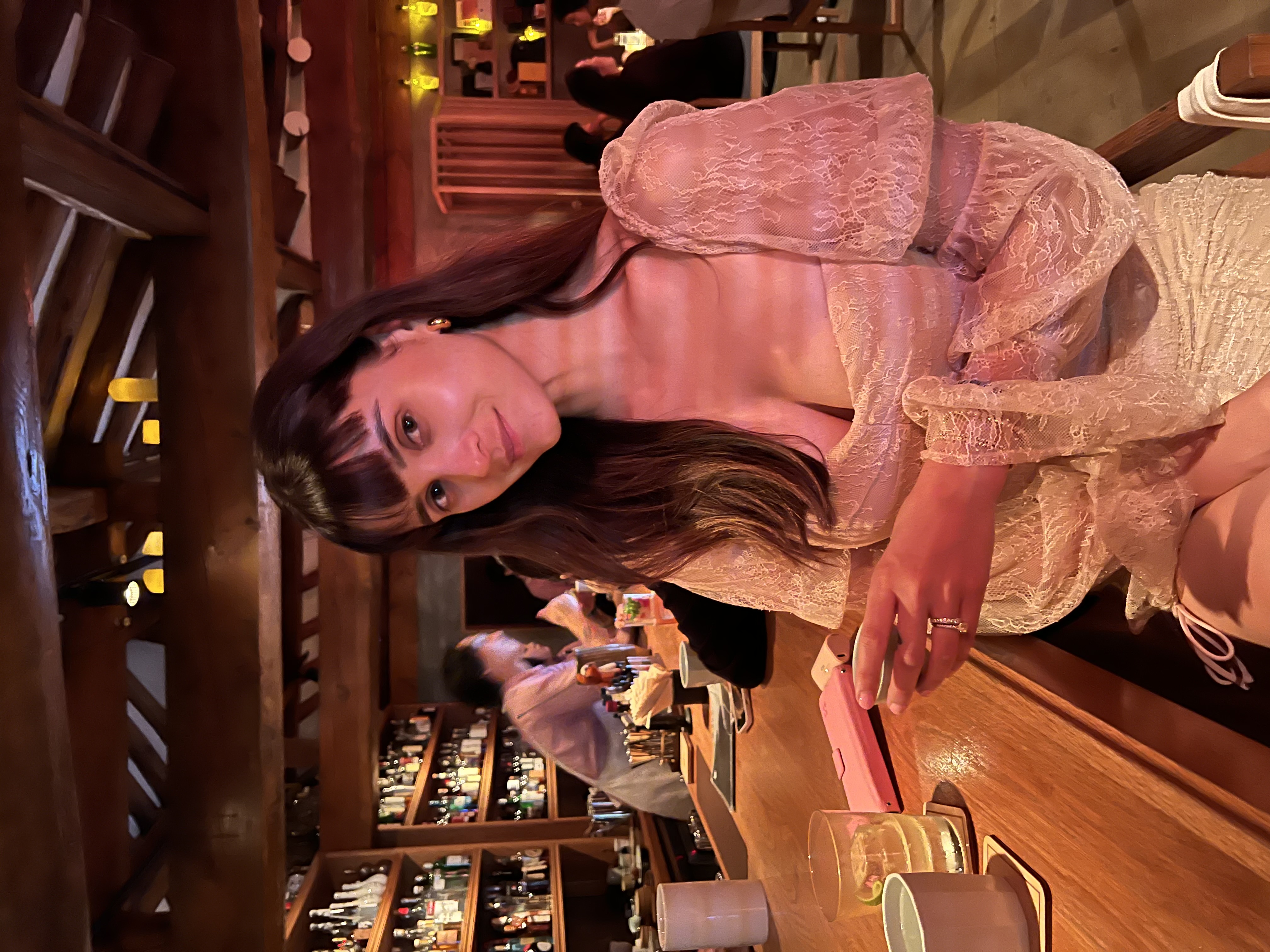
A traditional hanok in a quiet Seochon alley that happens to be one of Asia's Top 50 bars. Maximum four people, no loud music, just a bartender who turns local soju and makgeolli into cocktails that tell stories about different Korean cities and ingredients. The Chungju Gimbap cocktail tastes like a seaweed rice roll in liquid form—I know that sounds insane, but it's one of the best drinks I've ever had. They played a Brazilian song when my companion ordered the cachaça-based cocktail. That level of detail. I stayed three hours and would have stayed longer.
Gwangjang Market
Forget everything else—this is the meal I think about at 2 a.m. when I can't sleep. Korea's oldest market, plastic stools, zero ambiance, a grandmother making bindaetteok on a griddle that's seen more history than most museums. The mayak gimbap—tiny rice rolls they literally nicknamed "addictive"—earned that name. I'm pescatarian and I ate endlessly: japchae glistening in sesame oil, knife-cut noodles pulled to order, veggie mandu, and those pancakes. Bring cash, bring an empty stomach, and don't wear anything you care about because you will smell like sesame oil for the rest of the day. Worth it.
Zest
Ranked number two in all of Asia and the Best Bar in Korea three years running, and it somehow doesn't feel pretentious at all. Four bartenders built this place around a zero-waste philosophy—they redistill their own gin from Jeju orange peels, make cordials from the leftover pulp, and keep beehives on the roof for local honey in the cocktails. The space is minimalist and golden, no bottles on display, every drink built with intention. The Jeju Garibaldi with regional oranges and village carrots was bright and unexpected. Go after a Gangnam dinner—it's the perfect nightcap in the chicest room in Seoul.
Plant Cafe Itaewon
I could eat vegan every single day if it all tasted like this. Tucked into Itaewon, this little cafe does plant-based food with so much soul that you genuinely forget there's no meat or dairy involved. Nothing tastes like it's trying to replace something—it just tastes like food that happens to be entirely kind. The bowls are beautiful, the portions are real, and the whole vibe is warm and unhurried in a way that Itaewon desperately needs between all its louder spots. I went alone with a book and didn't want to leave. If you love vegan food, this is your Seoul home base.
Akira Back at the Four Seasons Seoul
I need to talk about the tuna pizza. I know—tuna pizza sounds like something a college student invents at 1 a.m. But Akira Back's version is a thin, crispy base topped with seared tuna, truffle oil, and a combination of flavors that made me close my eyes on the first bite. It's served at the Four Seasons, so you can literally go downstairs in hotel slippers if you're staying there. The rest of the Japanese menu is excellent, but the tuna pizza is the thing I told every single person about when I got home. Order it first, order it again, no regrets.
Matsumoto
If you want world-class sushi and don't want to fly to Japan, just go to Matsumoto. Seoul's omakase scene is seriously underrated, and Matsumoto is the reason people are starting to notice. The fish is flown in fresh, the chef works with the quiet precision you'd expect at a Ginza counter, and the whole experience feels like a Tokyo detour tucked inside a Seoul side street. I sat at the counter, let the chef decide everything, and didn't have a single piece that wasn't extraordinary. At a fraction of what you'd pay in Tokyo for the same quality, this felt like the best-kept secret in the city.
A Flower Blossom on the Rice
This is the restaurant that made me understand what Korean food can be when it's stripped down to something pure and poetic. An edible flower placed delicately on a bowl of rice—and somehow that simplicity holds more intention than a dozen courses at a flashier restaurant. Everything is plant-based, everything is seasonal, and every dish looks like it was composed rather than cooked. It's the kind of meal where you eat slowly, not because the service is slow, but because you don't want it to end. Seoul has a hundred Michelin-starred spectacles, but this quiet, beautiful room is the one that caught me off guard.
Base is Nice
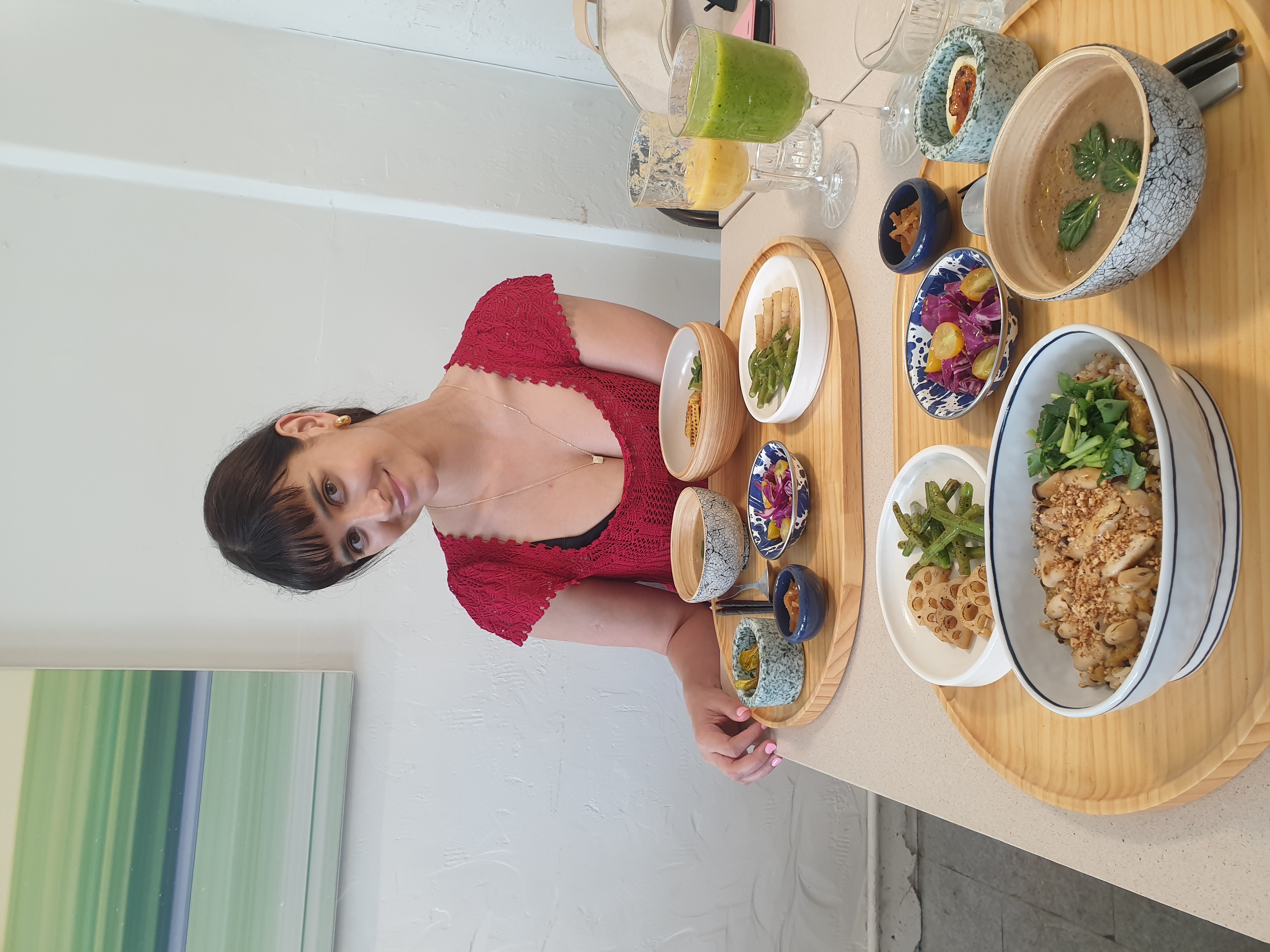
Sometimes you don't want a 12-course tasting menu—you just want a beautiful, simple, Michelin-worthy vegetarian meal that makes you feel good about everything. That's Base is Nice. The food is clean and honest in the way that only a kitchen with total confidence can pull off—no molecular tricks, no dramatic plating, just really exceptional ingredients treated with respect. It's the kind of place where you leave feeling lighter than when you walked in, in every sense of the word. Seoul does maximalist brilliantly, but Base is Nice proves it does quiet restraint just as well.
Nuldam Space
I'm sneaking this onto a food and drink list even though it's really about what happens after the coffee. Yes, Nuldam is a gorgeous café—but the reason I'm still thinking about it is because they have you write a letter to your future self. You sit down, pick a date months or years from now, and write to the person you'll be when it arrives. Mine showed up in my mailbox on a random Tuesday when I'd completely forgotten about it, and it hit me like a truck—all these hopes and feelings from a quiet afternoon in Seoul, written in my own handwriting, landing exactly when I needed to hear them. Go for the coffee, stay for the letter. It's the most unexpectedly emotional thing I did on my entire trip.
Need to know
Download Naver Maps before you land—Google Maps is basically useless in Korea and you will get lost. Papago is your translator (way better than Google Translate for Korean), and Uber works fine but download Kakao T as a backup. Get an eSIM at Incheon Airport because the city runs on QR codes and you need data for literally everything.
Korea doesn't tip—don't do it, it makes people uncomfortable. Credit cards work everywhere including tiny street food stalls, but bring cash for Gwangjang Market and Namdaemun. Most restaurants book through CatchTable and some need a Korean phone number, which is where having a guide or a good concierge becomes essential. Speaking of guides—get one. Not for the tour guide energy, but for the logistics. Mine booked my CatchTable reservations, explained my pescatarian restrictions to every kitchen, handled clinic communications on KakaoTalk, and got us theme park fast passes. The difference between having a guide and not having one is the difference between floating through Seoul and fighting it.
The city itself is absurdly safe at all hours, the subway is cleaner than most people's apartments, and Korean convenience stores sell $3 kimbap that's better than what some restaurants charge five times more for. One cultural heads-up: People don't say sorry when they bump into you on the street. It threw me off the first day. It's not rude—it's just not a thing here. Don't let it bother you, because otherwise Koreans are some of the warmest, most gracious people I've encountered anywhere in the world.


Travel Advisor
Tatiane Souza Taggar

Tatiane Souza Taggar

Get in touch with Tatiane Souza Taggar
Did you like this guide? Reach out to customize and book your own experience. Or, just to chat about travel in general.
For more inspiration and insider recommendations, visit our Seoul page.