
Curator’s statement
Florence and Tuscany have captured my heart without me ever having set foot there—through the stories, photos, and pure joy my clients have shared with me after every trip I've planned to this region. As a travel advisor who specializes in Italy, I have spent countless hours researching every corner of Tuscany, from the best leather workshops in Florence to the most breathtaking winery terraces in the Val d'Orcia, and each itinerary I've built has only deepened my love for a place that consistently exceeds expectations. There is something about the way my clients describe their first glimpse of the Duomo, or the moment they sat down to a long Tuscan lunch with a view of rolling cypress-lined hills, that tells me this destination is genuinely transformative. I may be planning my own trip to experience it firsthand very soon—but until then, helping others fall in love with Florence and Tuscany is one of the greatest privileges of this work.
The Fora Difference
Book with Allyson Bauer to access exclusive perks and experiences on your trip.

Killer perks
Free upgrades, spa credits and more—we got you

Personalized recs
Customized travel planning for your style

Insider knowledge
Expert advice from people who’ve actually been there
Where to stay
Unlock perks by contacting Allyson Bauer to book your trip.
Day 1: Arrival in Florence
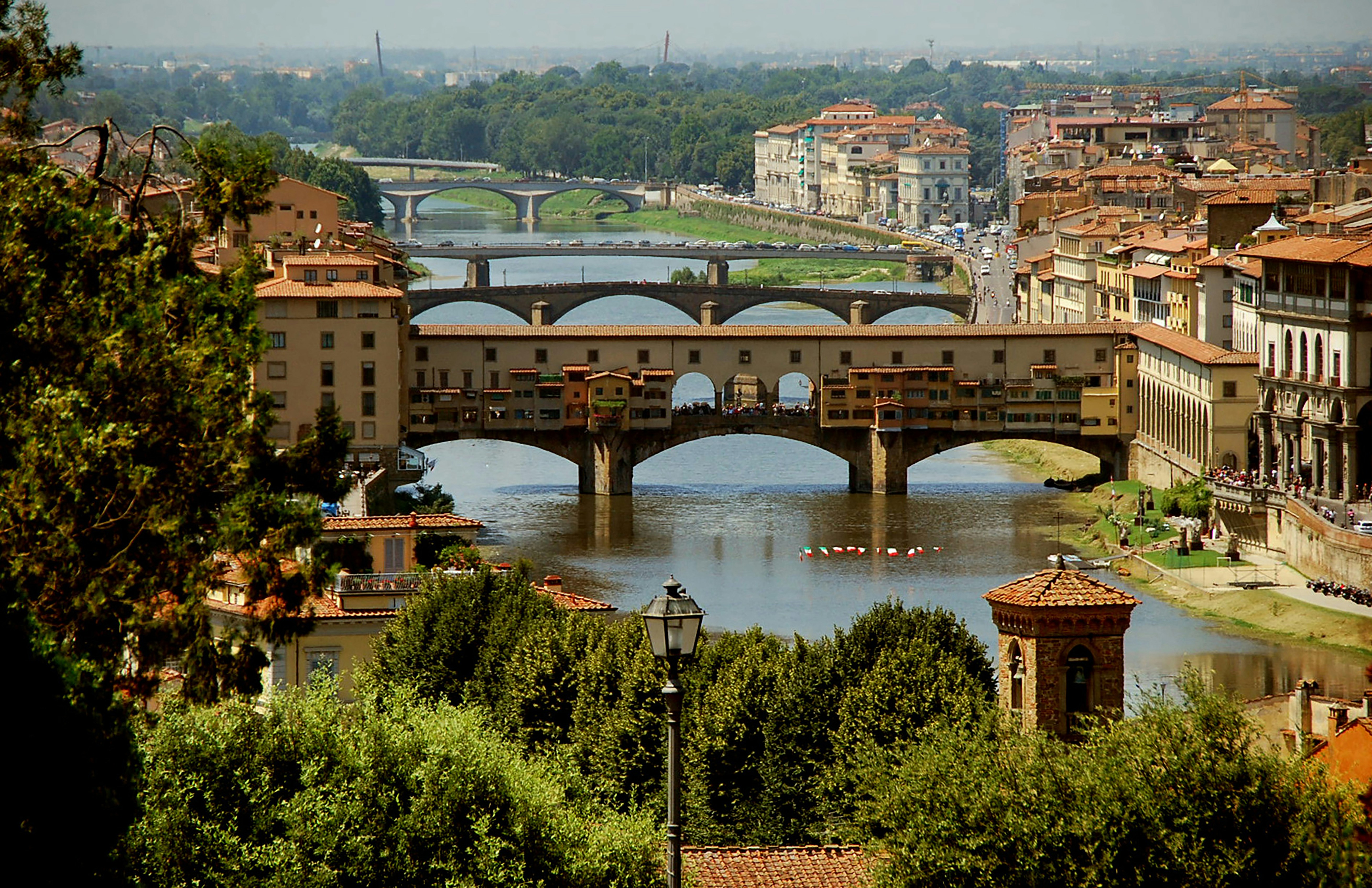
Florence from above—the Ponte Vecchio stretching across the Arno just as it has for nearly 700 years. Some views simply never get old.
Your Italian adventure begins the moment you step into Florence. After checking into your hotel, resist the urge to do too much on your first afternoon—instead, allow yourself to simply wander. The streets of the historic center are best discovered on foot, and even a short walk from Santa Maria Novella station toward the Duomo will stop you in your tracks. The first glimpse of Brunelleschi’s dome rising above the terracotta rooftops is one of travel’s great revelations.
Spend the late afternoon strolling through Piazza della Repubblica and across the Ponte Vecchio, taking in the city’s rhythm before settling into an aperitivo hour at a rooftop bar—the views at sunset are extraordinary.
For dinner, head to the Oltrarno neighborhood just across the Arno River, where you’ll find authentic Florentine trattorias that have been feeding locals for generations. A bistecca alla Fiorentina—the city’s legendary T-bone steak—is the perfect first meal to mark the start of your journey.

A note from Allyson
If you’re jet-lagged, an early evening walk is the best remedy; Florence is a city that energizes you simply by existing around you.
Day 2: Florence's great museums & hidden gems
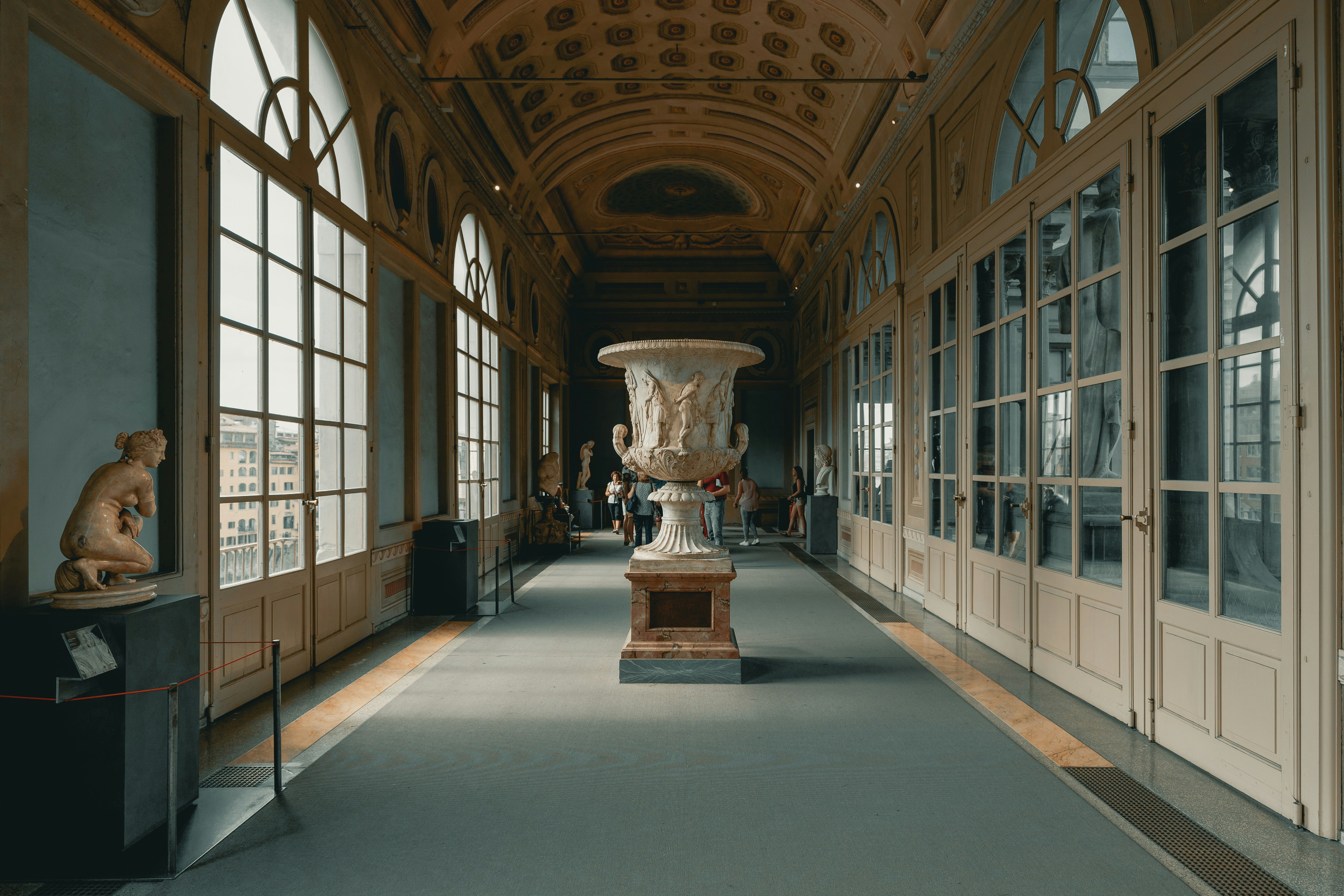
Walking these halls is one of those travel moments that genuinely stops you in your tracks. The Uffizi isn't just a museum—it's an experience that changes how you see the world.
Today is dedicated to Florence’s legendary art and culture, but approached thoughtfully so you leave energized rather than exhausted. Begin at the Uffizi Gallery first thing in the morning—pre-booking a skip-the-line ticket is essential, and I recommend going early before the crowds build. Botticelli’s "Birth of Venus" and "Primavera" alone are worth the trip, but give yourself time to wander the long corridors where lesser-known masterpieces line the walls. After the Uffizi, step into Piazza della Signoria for a coffee at Caffé Rivoire, one of Florence’s historic cafés and the perfect spot to people-watch beneath the open-air sculpture gallery of the Loggia dei Lanzi.
In the afternoon, cross into the Oltrarno and climb the steps of the Bardini Garden or Boboli Garden for sweeping views back over the city, then explore the Pitti Palace at your own pace. Cap the day with dinner in Oltrarno, where smaller, family-run restaurants serve food rooted in Florentine tradition.
A note from Allyson
Book your Uffizi tickets at least two weeks in advance during high season—last-minute entry is almost impossible.
Day 3: Michelangelo, markets & the best gelato in Florence
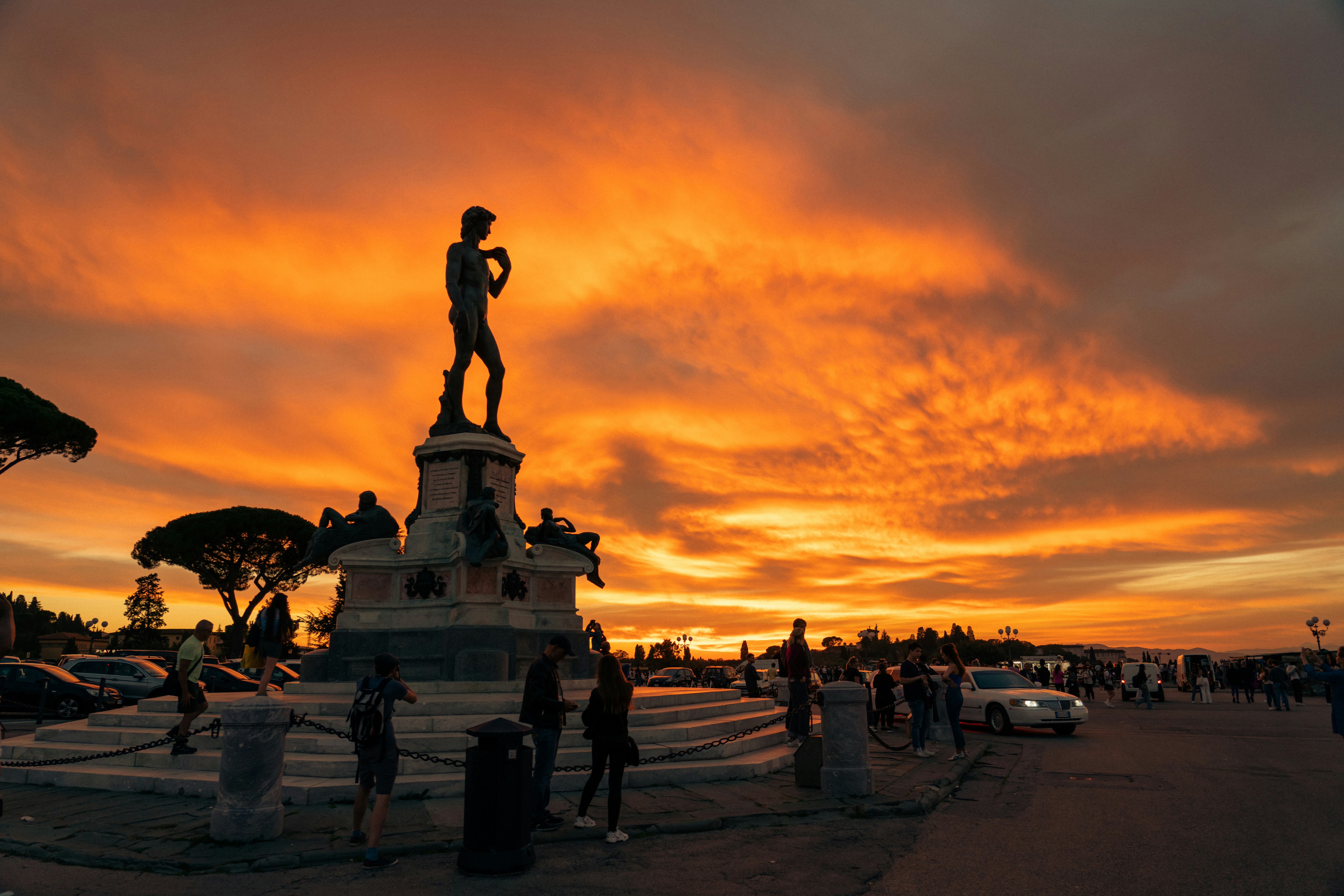
Golden hour at Piazzale Michelangelo. Florence knows how to say good night.
No trip to Florence is complete without a visit to Michelangelo’s David, housed in the Galleria dell’Accademia. Again, book your timed entry in advance and go first thing to beat the tour groups. The David is one of those rare works of art that exceeds every expectation—the scale, the detail, and the quiet power of the sculpture are genuinely breathtaking.
After the Accademia, head to the San Lorenzo Market area, one of Florence’s best neighborhoods for leather shopping. Florence has been a center of leather craft for centuries, and a quality leather bag, belt, or jacket purchased here will last a lifetime. If you have time, peek inside the San Lorenzo Mercato Centrale for an excellent lunch—the upper-floor food hall is one of the city’s best kept secrets for fresh pasta, lampredotto (a Florentine specialty for the adventurous), and exceptional coffee.
In the evening, make your way up to Piazzale Michelangelo for sunset—it’s a short uphill walk, but the panoramic views over Florence are unmatched.
A note from Allyson
For gelato, seek out artisan gelaterias that display their flavors in covered metal containers rather than mountainous colorful piles—the covered ones indicate traditional preparation without artificial additives.
Day 4: Day trip to Siena & San Gimignano
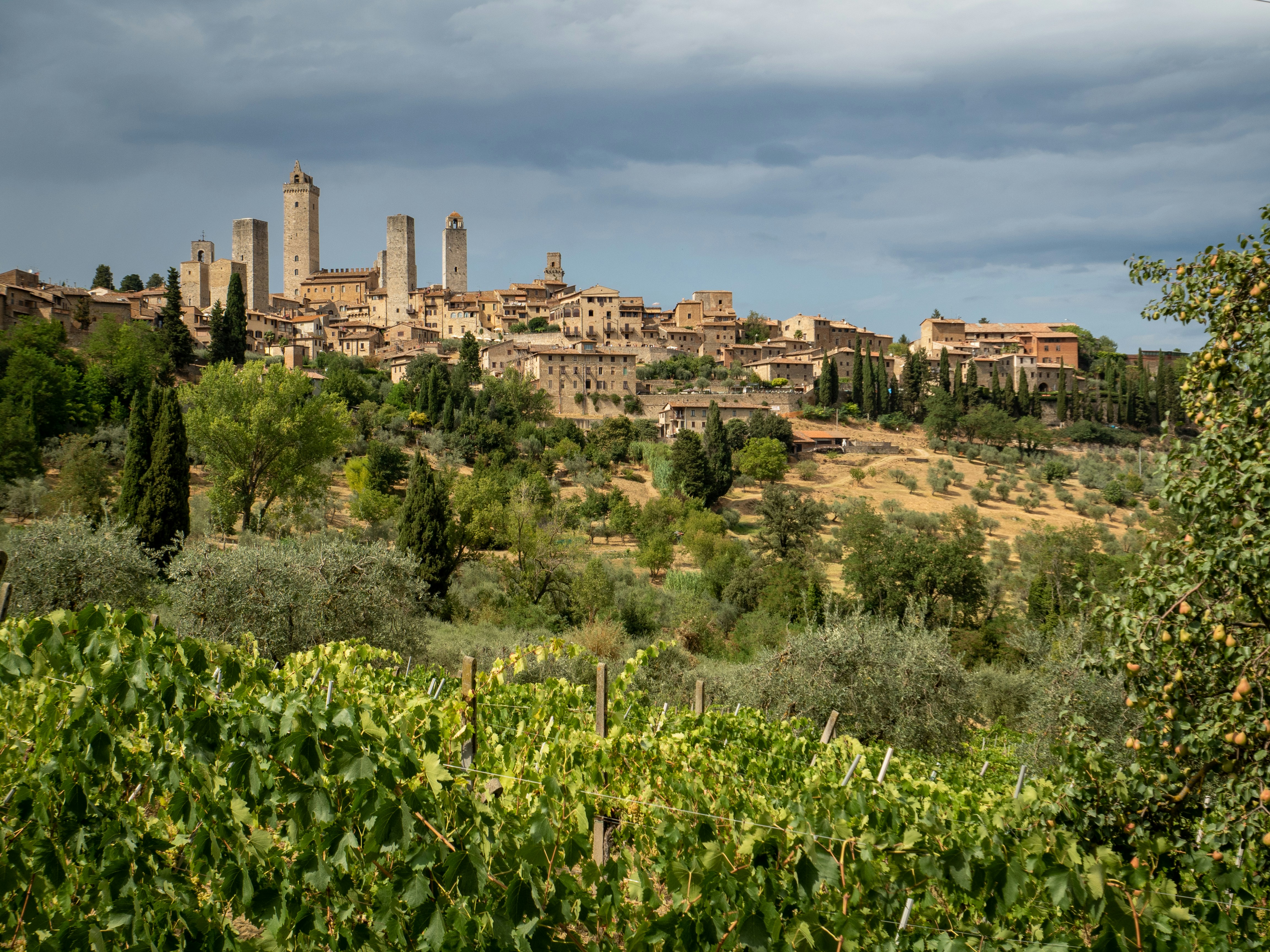
San Gimignano—Tuscany's "medieval Manhattan," where 14 towers still pierce the skyline and the vineyards below produce one of Italy's oldest white wines. Worth every step of the walk through the old town gates.
Today, you venture beyond Florence into two of Tuscany’s most iconic medieval towns. Siena should be your first stop, ideally arriving by mid-morning. The city is built on three hills and is best explored entirely on foot—no cars are permitted in the historic center. Head straight for the Piazza del Campo, the extraordinary shell-shaped square that twice a year hosts the world-famous Palio horse race. Climb the Torre del Mangia for breathtaking 360-degree views, then explore the Duomo di Siena, which rivals any cathedral in Italy with its stunning black-and-white marble facade and remarkable inlaid marble floor.
After lunch in Siena, drive or take a short bus ride to San Gimignano, the remarkable “medieval Manhattan” known for its soaring towers and exceptional white wine, Vernaccia di San Gimignano. The town is small enough to explore in a couple of hours, leaving time to stop at Gelateria Dondoli, a multiple-time world gelato champion located right on the main square. Return to Florence in the evening with a new appreciation for just how layered and extraordinary this region truly is.
A note from Allyson
Visit Siena and San Gimignano on a weekday if possible—both are far more manageable without weekend crowds.
Day 5: Florence to Chianti
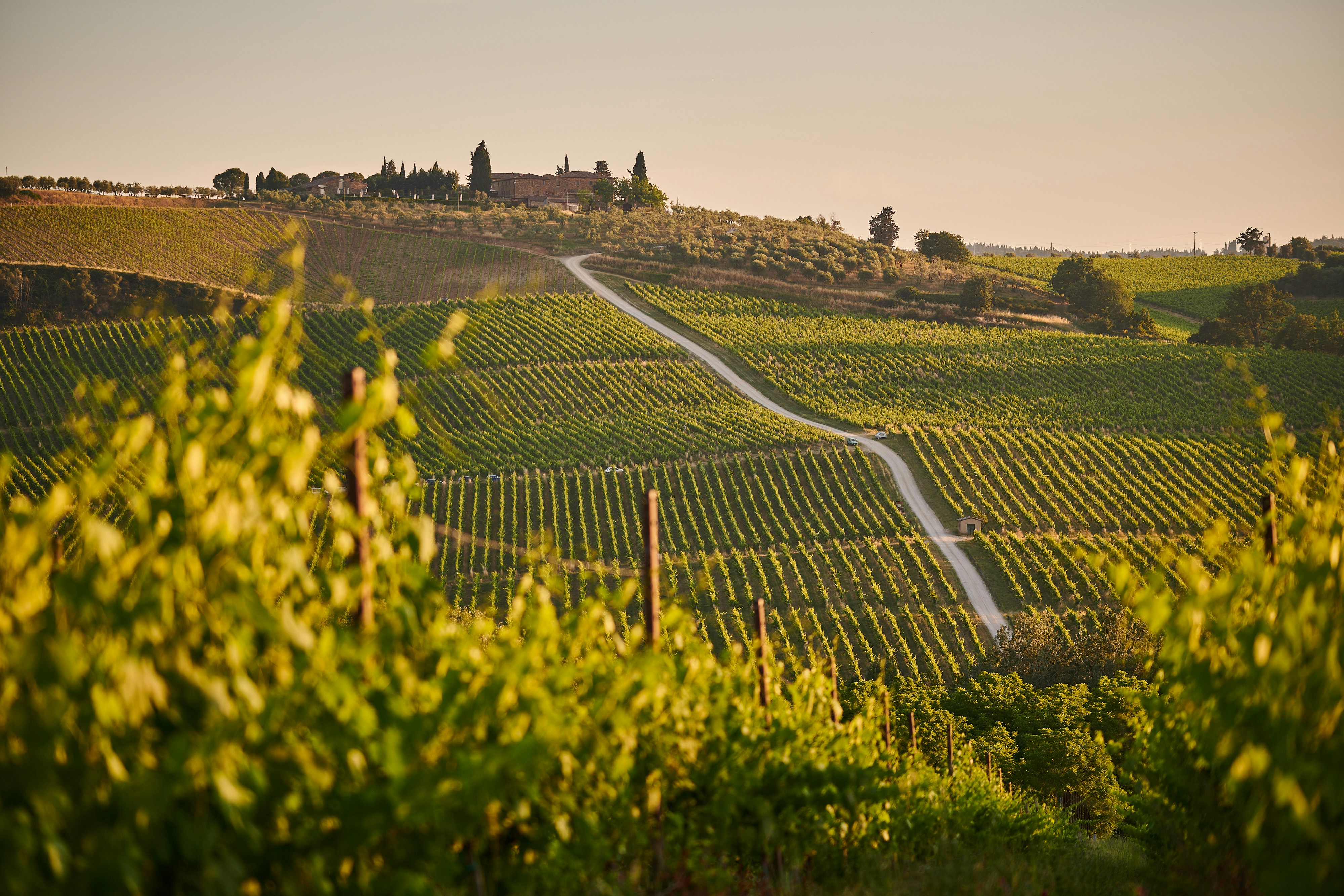
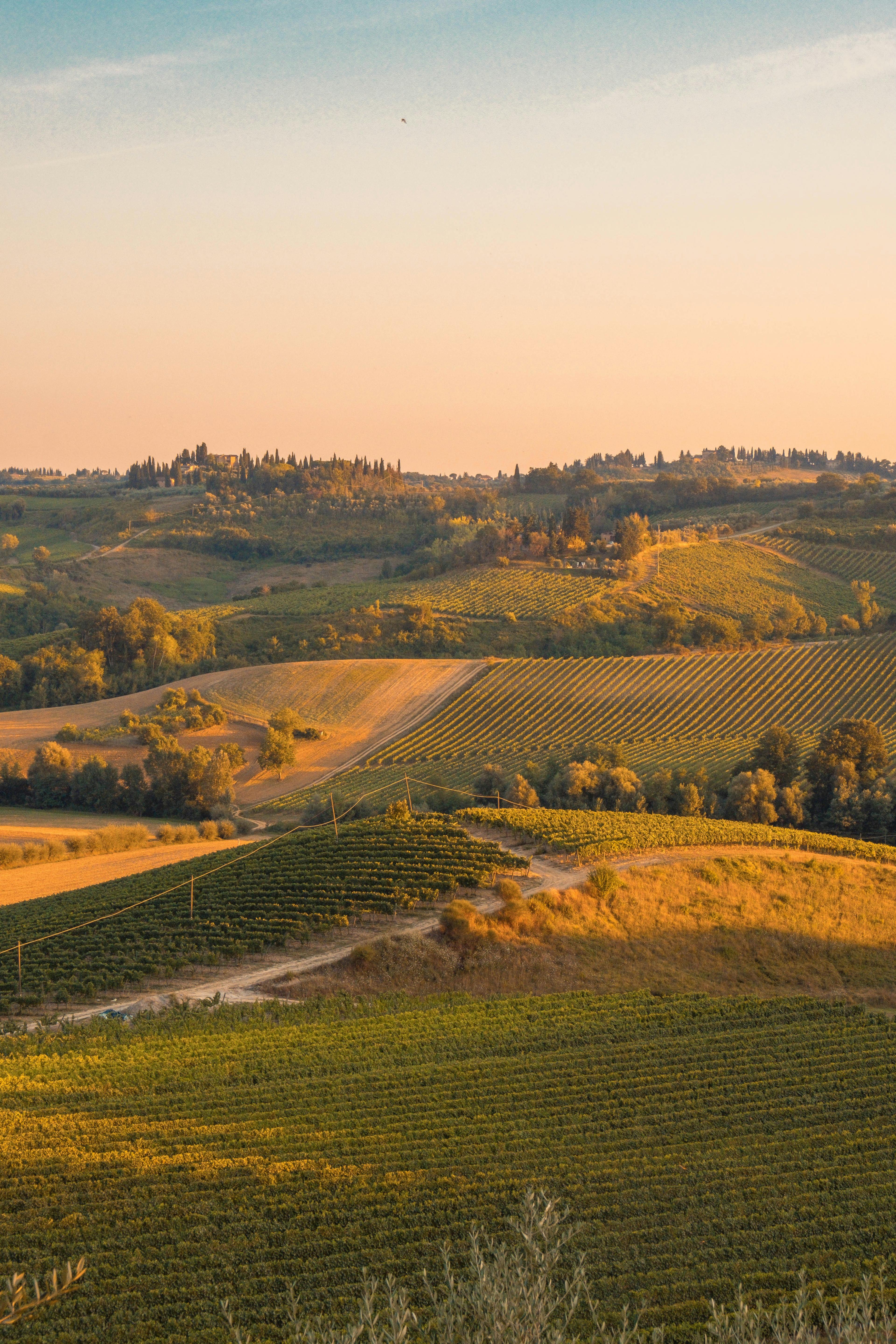
The moment you turn off the main road and into the Chianti hills, something shifts. The rows of vines, the winding gravel roads, the stone farmhouse on the ridge—this is the Tuscany you came for.
Today, you leave Florence behind and make your way into the rolling hills of the Chianti Classico wine region, one of the most scenically beautiful and historically significant wine landscapes in the world. Rent a car for the most flexibility, or arrange a private transfer through your advisor—the drive itself through the Via Chiantigiana, known as the “Chianti Road,” is part of the experience. Wind past vineyards, olive groves, ancient stone farmhouses, and medieval villages draped across hilltops as the landscape shifts from city to countryside.
Stop in the charming town of Greve in Chianti for lunch and a browse through the weekly market or local wine shop. In the afternoon, arrange a private winery visit—estates like Antinori nel Chianti Classico, Castello di Verrazzano, or Badia a Coltibuono offer excellent tours and tastings that go far beyond what you’ll find at a standard wine bar. Check into your agriturismo or luxury villa property in the late afternoon, open a bottle of Chianti Classico on the terrace, and watch the Tuscan hills turn gold as the sun sets. There is truly nothing else quite like it.
A note from Allyson
Book your winery visit in advance, especially during harvest season in September and October when estates are in full swing and spaces fill quickly.
Day 6: Chianti
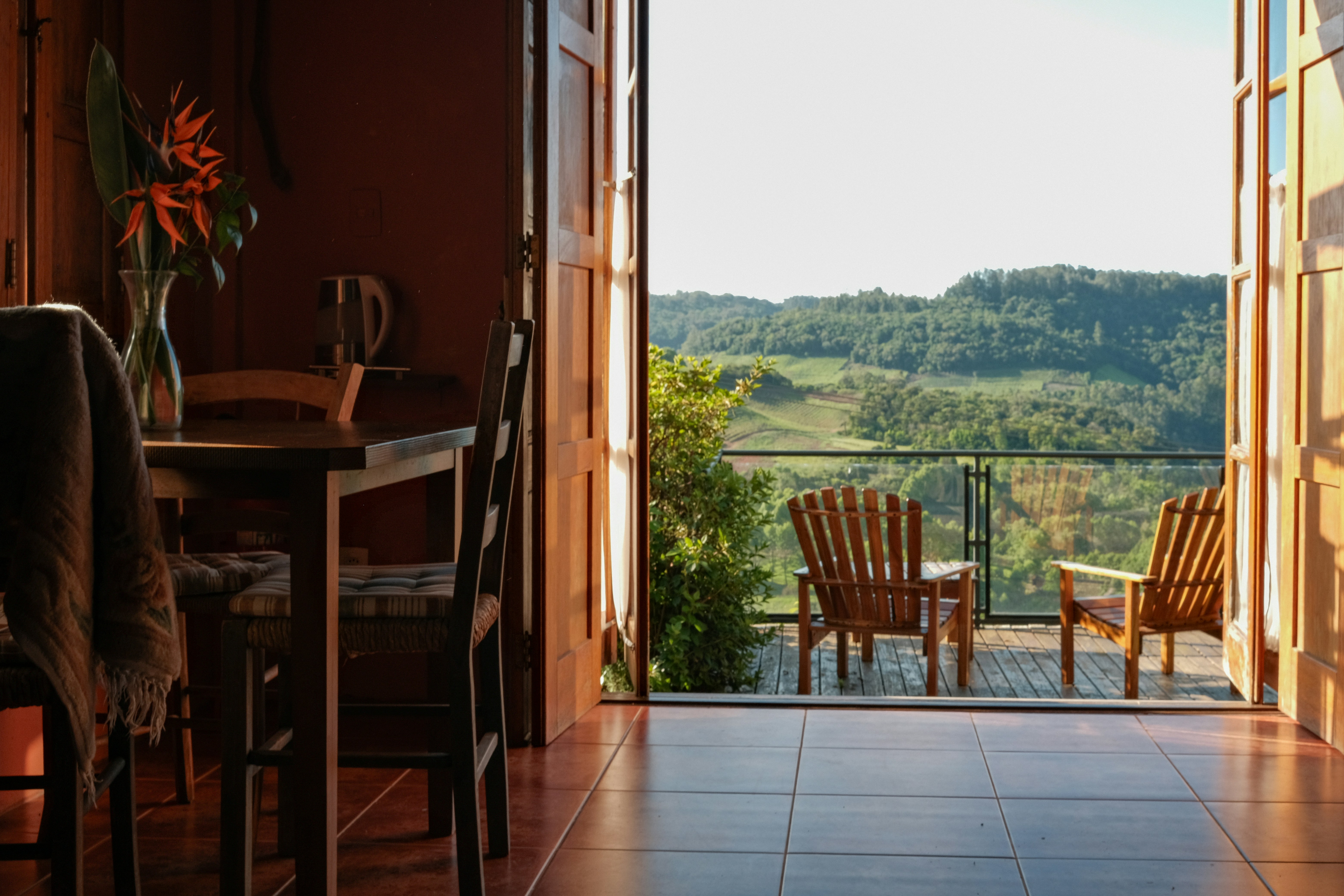
This is what slow living in Tuscany actually looks like—doors open to the hills, coffee going, nowhere to be. The agriturismo experience is one you'll spend the rest of your life trying to recreate at home.
Today has no agenda—and that is exactly the point. One of Tuscany’s greatest gifts is the permission it grants you to slow down, and day six is your opportunity to lean fully into that. If your property offers a cooking class, this is the perfect morning activity—learning to make fresh pasta or ribollita from a Tuscan nonna is an experience that will follow you home. If not, visit the local market in a nearby town and gather ingredients for a simple lunch on the terrace.
In the afternoon, explore the wine towns of Castellina in Chianti or Radda in Chianti, both beautifully preserved medieval villages with excellent wine shops, artisan boutiques, and far fewer tourists than the larger destinations. Stop into a local enoteca and ask the owner to walk you through a flight of Chianti Classico, Chianti Classico Riserva, and Gran Selezione—the differences are fascinating and delicious. End the day back at your villa or agriturismo for a long dinner under the stars.
A note from Allyson
If your property produces its own olive oil, buy a bottle or two to bring home—Tuscan extra-virgin olive oil is world-class and a fraction of the price you’d pay for imported Italian oil at home.
Day 7: Val d’Orcia
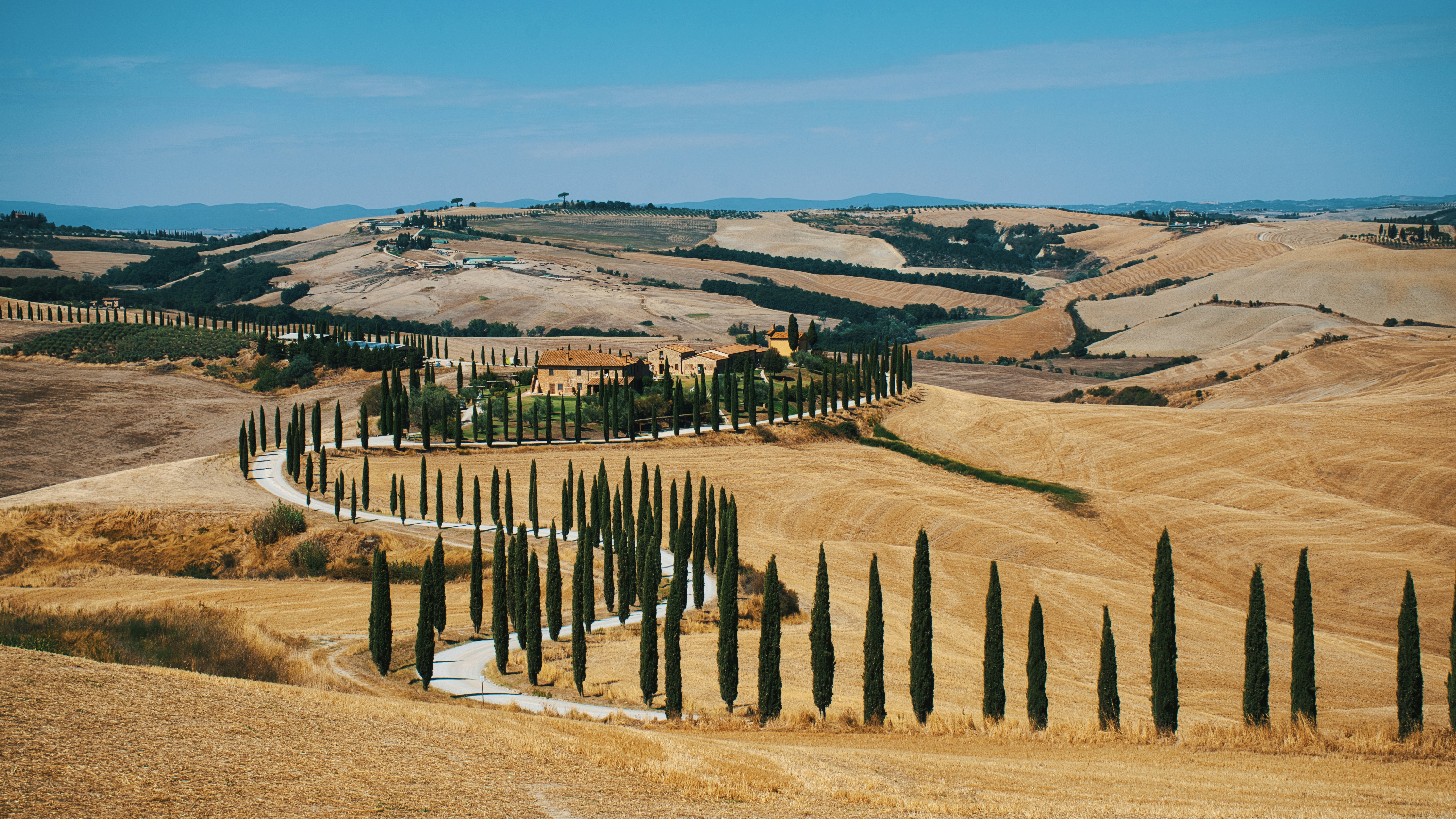
The Val d'Orcia—a UNESCO World Heritage landscape that looks exactly like every painting of Tuscany you've ever seen, except it's real and even more breathtaking in person. This is the drive that makes people fall completely in love.
Today is perhaps the most visually spectacular day of the entire itinerary. Drive south from Chianti into the Val d’Orcia, a UNESCO World Heritage landscape that looks like every painting of Tuscany you’ve ever seen brought to life. The rolling hills dotted with cypress trees, medieval hilltop towns, and golden wheat fields make every turn of the road a potential photograph.
Begin in Pienza, a Renaissance jewel of a town built entirely to the vision of Pope Pius II in the 15th century and famous today for its exceptional Pecorino cheese. Stop at one of the small shops along the main street to sample aged, fresh, and truffle-infused varieties—bringing several home makes for the best possible souvenir. From Pienza, drive to Montalcino, perched dramatically atop a hill and home to one of Italy’s most prestigious wines, Brunello di Montalcino. Visit the medieval fortress for sweeping views across the Val d’Orcia, then taste your way through a few enotecas in the town center. On the drive back, take the scenic route through the cypress-lined road near Bagno Vignoni—it’s one of the most photographed landscapes in all of Italy and absolutely worth the slight detour.
A note from Allyson
Early morning light in the Val d’Orcia is extraordinary for photography; consider leaving before 8 a.m. if capturing the landscape is a priority.
Day 8: Volterra & San Miniato
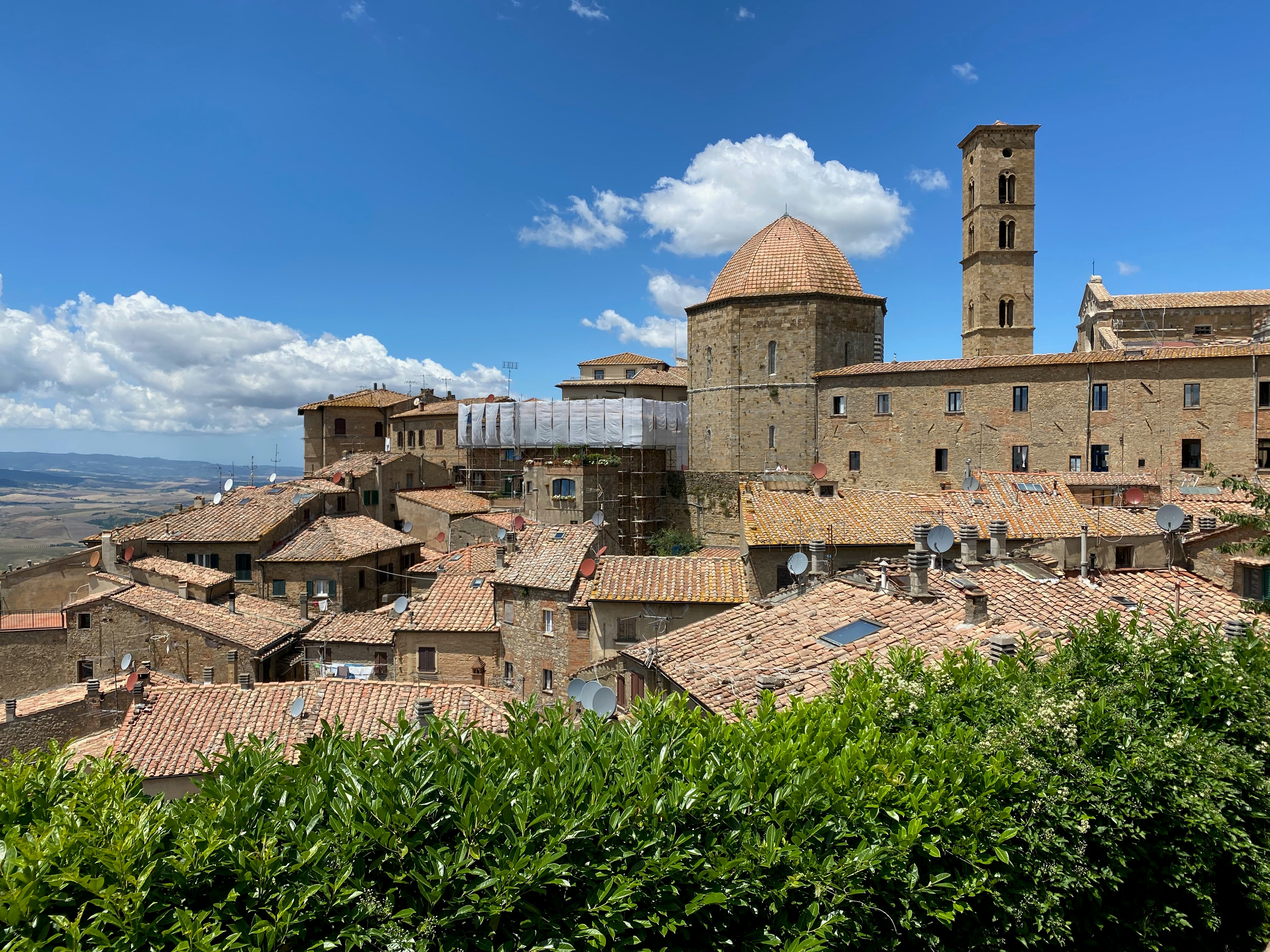
Volterra—one of Tuscany's most underrated hilltop cities, with roots stretching back to the Etruscans and views that stretch all the way to the sea. Most visitors drive right past it. The ones who stop never regret it.
Today is for the travelers who want to venture beyond the well-trodden path and discover two of Tuscany’s most underrated destinations. Volterra is a striking Etruscan city perched on a dramatic ridge with views in every direction and a remarkable layering of history that spans Etruscan, Roman, Medieval, and Renaissance periods. The Museo Etrusco Guarnacci houses one of the finest Etruscan collections in Italy, and the alabaster workshops that line the streets have been producing intricate carvings for centuries—it makes for extraordinary, authentic shopping.
If truffles are more your passion, redirect to San Miniato instead, a small hilltop town between Florence and Pisa and one of Tuscany’s most important truffle regions. The white truffle season in autumn transforms the town into a foodie pilgrimage destination, but even outside of peak season, the local restaurants and shops offer exceptional truffle products year-round.
Both towns represent the Tuscany that exists beyond the tourist circuit—unhurried, deeply authentic, and all the more rewarding for it.
A note from Allyson
Combine Volterra with a late lunch in Certaldo, another stunning hilltop town en route back to your Tuscan base, for a perfectly layered day.
Day 9: A Tuscan cooking class & your final evening in the hills
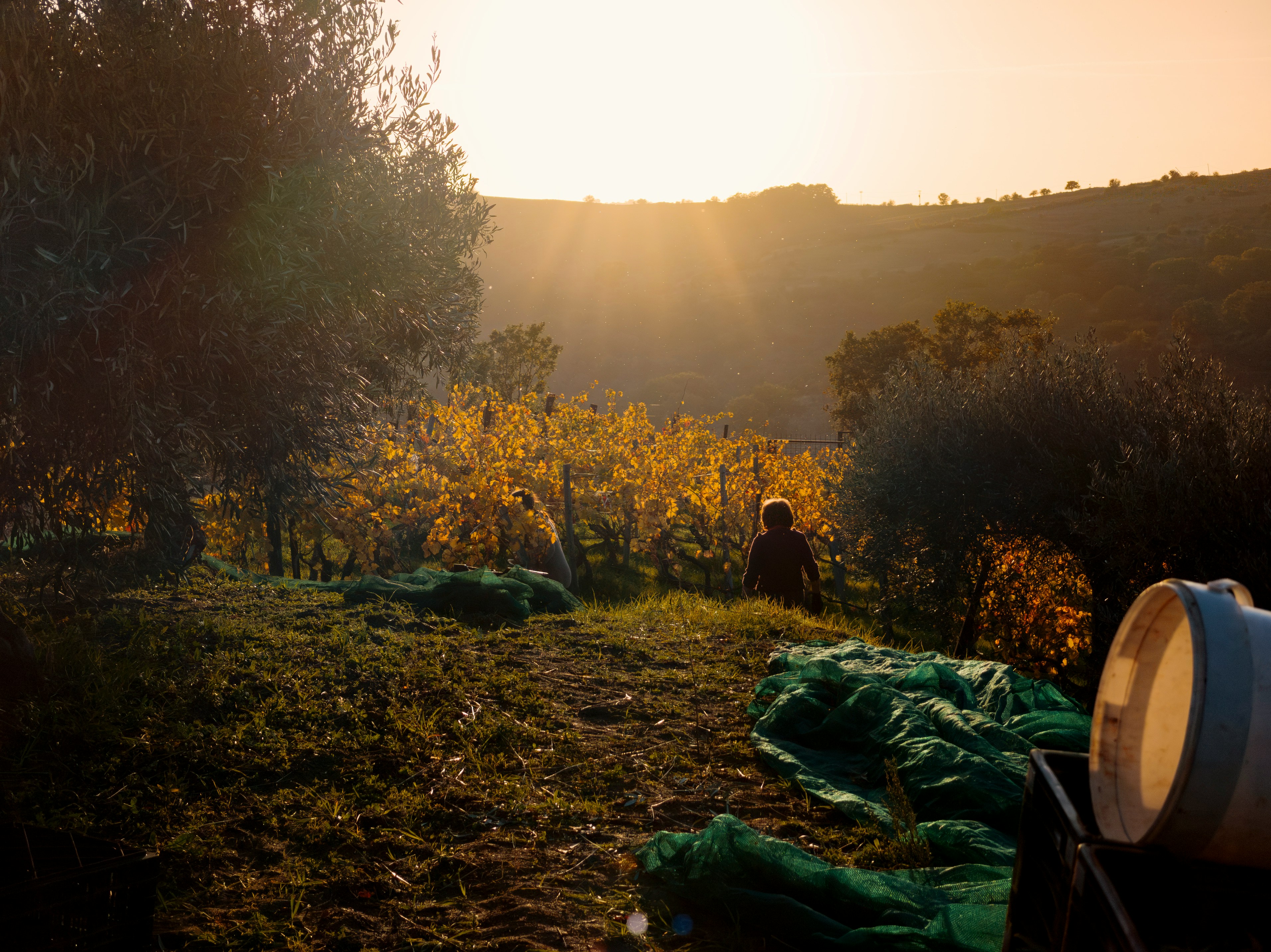
Harvest season in Tuscany—olive nets spread beneath ancient trees, golden vines catching the last light of day. This is the kind of moment that makes you want to stay forever.
Your second-to-last day in Tuscany is the perfect time for a hands-on cooking class if you haven’t already done one—or a morning at a thermal spa if relaxation is calling louder than the kitchen. The thermal pools of Bagno Vignoni and the spa town of Chianciano Terme are both within easy reach and offer a deeply restorative experience that perfectly embodies the Tuscan philosophy of living well.
If you opt for a cooking class, look for small-group experiences led by local home cooks or chefs who source ingredients from the farm or the morning market—you'll leave with recipes you’ll make for the rest of your life. Spend the afternoon at leisure: a walk through the vines, a nap in a hammock, a final bottle of local wine with the view you’ve come to love over the past several days. This evening, celebrate your last night in Tuscany with a special dinner—whether at your property’s restaurant or at a beloved local restaurant your advisor has pre-booked for you.
A note from Allyson
Ask your hotel or agriturismo if they can arrange a private sunset dinner on the terrace for your last night—many properties accommodate this with advance notice and it creates an unforgettable memory.
Day 10: Final morning in Tuscany
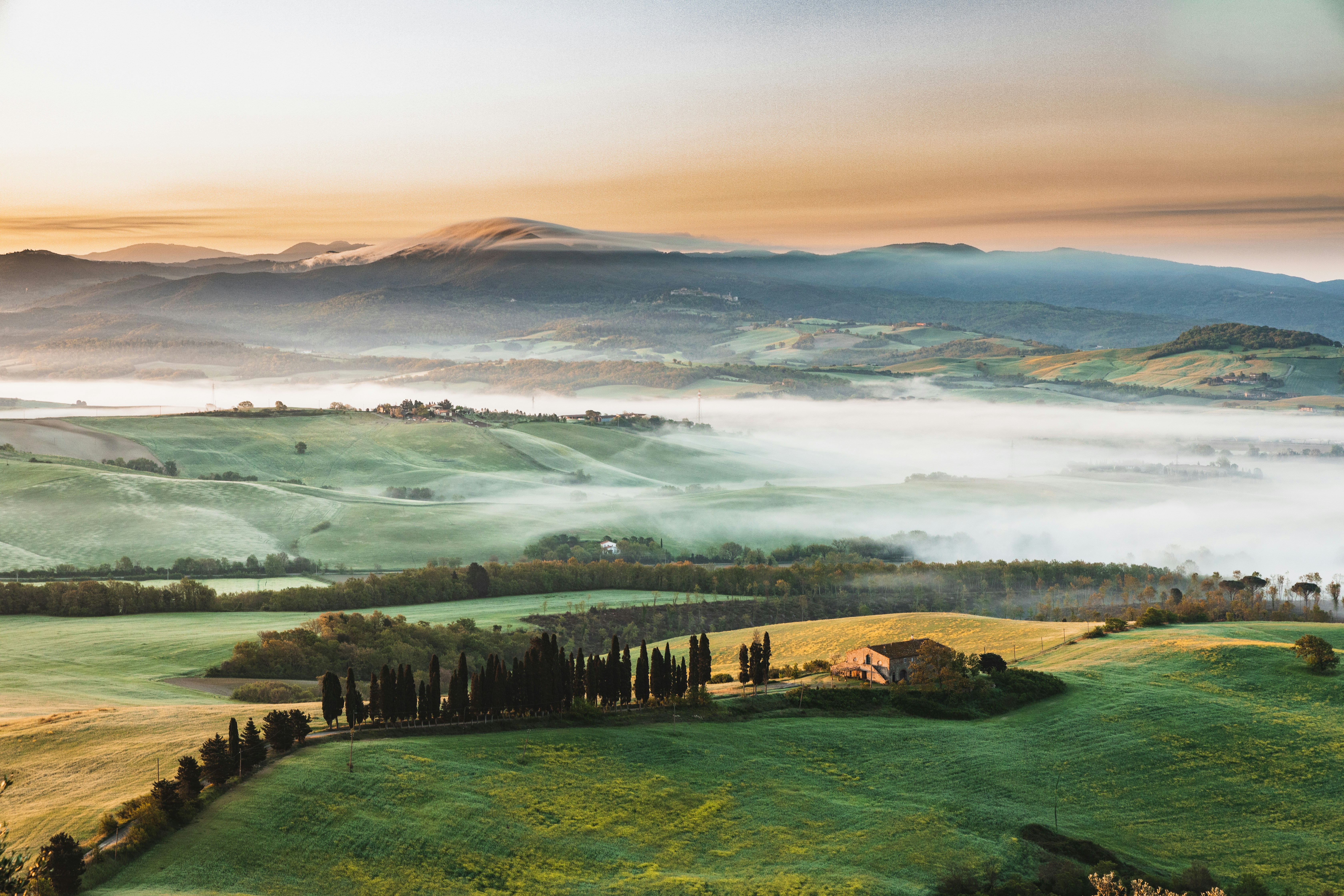
One last Tuscan morning—mist still settled in the valleys, the hills glowing green and gold as the sun comes up. This is the view that follows you home and refuses to let you forget it.
Your last morning in Tuscany deserves to be unhurried. Wake up early enough to catch the sunrise over the hills one final time, then head to a local bar for a proper Italian breakfast—a cornetto and a perfectly pulled double espresso standing at the counter alongside the locals who will be doing the same thing without even thinking about how extraordinary it is. If time permits before your transfer, stop at a local farm shop, enoteca, or alimentari to stock up on olive oil, wine, truffle products, and pecorino to bring home—the best souvenir from Tuscany is always edible.
Then it’s time to head to Florence’s Santa Maria Novella station for your high-speed train connection, or to Florence Airport (or Pisa Airport) for your departure. As you drive one final time through the Tuscan hills, you’ll understand why this region holds such a powerful pull on travelers from all over the world—and why so many who visit once begin planning their return before they’ve even landed home.
A note from Allyson
Florence Airport is convenient for domestic connections, but Pisa Airport (about 80 minutes away) often offers more international flight options—discuss the best routing with your advisor based on your final destination.
Need to know
Getting around
Rent a car for the Tuscany portion of your trip—it is the single best decision you can make. Florence itself is entirely walkable and does not require a car (and driving within the ZTL restricted zones can result in significant fines). For the Florence to Tuscany transition, arrange a private transfer or pick up your rental outside the ZTL zone. High-speed trains connect Florence to Rome and other major Italian cities in under 1.5 hours—book tickets 90 days in advance through Trenitalia or Italo for the best fares.
When to go
Late April through June and September through October are the sweet spots for Florence and Tuscany—warm weather, lower crowds than peak summer, and the landscape at its most beautiful. July and August are hot and crowded but still wonderful if you plan strategically with early-morning sightseeing and afternoon rests. Harvest season in September/October brings a special energy to the wine country.
Restaurants & reservations
Florence’s best restaurants book up quickly, especially on weekends. Ask your travel advisor to assist with reservations—having a local contact or a well-connected advisor can open doors that are difficult to access independently. In Tuscany, many agriturismos offer exceptional dinners on-site; always ask your property what they recommend.
Packing for Tuscany
Comfortable walking shoes are non-negotiable—Florence’s cobblestone streets are beautiful but unforgiving on unsupportive footwear. Pack layers even in summer as hilltop towns and evenings can be surprisingly cool. A light scarf or shawl is useful for visiting churches where shoulders must be covered.
Working with a travel advisor
A Tuscany specialist can pre-book your Uffizi and Accademia tickets, arrange winery visits and cooking classes, secure restaurant reservations at sought-after spots, and connect you with a private guide for Florence who will transform what you see and understand about the city. The difference between a good Italy trip and an extraordinary one often comes down to the details—and those details are what your advisor is there for.


Travel Advisor
Allyson Bauer

Allyson Bauer

Get in touch with Allyson Bauer
Did you like this guide? Reach out to customize and book your own experience. Or, just to chat about travel in general.
For more inspiration and insider recommendations, visit our Italy page.